Roe V Wade
An exhaustive look at roe v wade — the facts, the myths, the rabbit holes, and the things nobody talks about.
At a Glance
- Subject: Roe V Wade
- Category: Law, Politics, Women's Rights
The 1973 Supreme Court case Roe v. Wade remains one of the most controversial and consequential decisions in modern American history. Far from a simple legal ruling, Roe v. Wade touched off a cultural and political firestorm that continues to rage nearly 50 years later. To truly understand this pivotal moment, we must dive deep into the complex history, the high-stakes players, and the lasting impact that Roe v. Wade has had on the fabric of the United States.

The Road to the Supreme Court
The Roe v. Wade case began in 1970, when a young woman named Norma McCorvey (using the pseudonym "Jane Roe") filed a lawsuit against Dallas County District Attorney Henry Wade. McCorvey, a single mother who was pregnant with her third child, sought to have an abortion - which at the time was illegal in the state of Texas except in cases where the mother's life was at risk.
McCorvey's lawyers, led by the brilliant young attorney Sarah Weddington, argued that the Texas law banning abortion was unconstitutional. They claimed it violated the 14th Amendment's guarantee of due process and the right to privacy. After a long legal battle, the case made its way to the U.S. Supreme Court in 1972.


The Momentous Decision
On January 22, 1973, the Supreme Court issued its historic 7-2 ruling in Roe v. Wade. In the majority opinion written by Justice Harry Blackmun, the Court determined that a woman's right to privacy, as established in prior cases, "is broad enough to encompass a woman's decision whether or not to terminate her pregnancy."
The Court established a framework with three trimesters of pregnancy, granting the government increasing ability to regulate or restrict abortion as the pregnancy progressed. In the first trimester, the decision to have an abortion was left solely to the woman and her doctor. In the second trimester, the state could impose reasonable regulations. And in the third trimester, the state could ban abortion entirely, except when necessary to preserve the life or health of the mother.
"This right of privacy, whether it be founded in the Fourteenth Amendment's concept of personal liberty and restrictions upon state action, as we feel it is, or, as the District Court determined, in the Ninth Amendment's reservation of rights to the people, is broad enough to encompass a woman's decision whether or not to terminate her pregnancy." - Justice Harry Blackmun, Roe v. Wade majority opinion
The Aftermath and Ongoing Debate
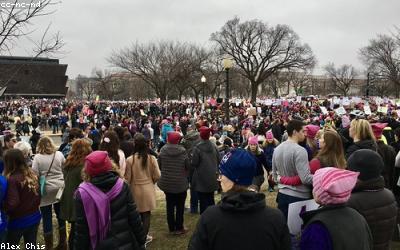
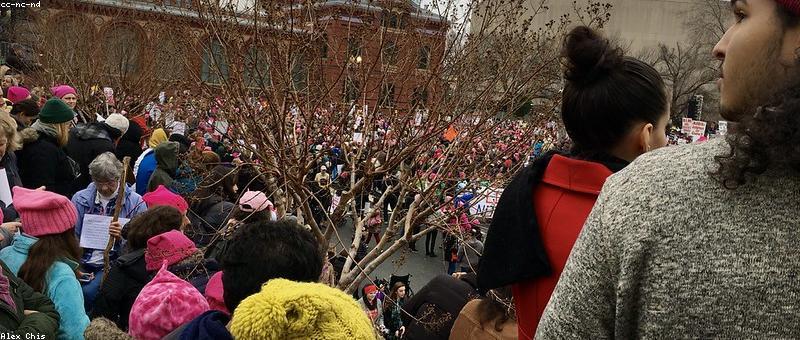
The Roe v. Wade decision immediately ignited a firestorm of controversy. Anti-abortion activists, spearheaded by the newly formed National Right to Life Committee, vowed to overturn the ruling through legislative and judicial means. Meanwhile, abortion rights supporters hailed the decision as a major victory for women's autonomy and reproductive freedom.
In the decades since, the battle over Roe v. Wade has raged on. Conservative administrations have appointed justices with the goal of overturning the precedent, while liberal administrations have sought to protect it. Landmark cases like Planned Parenthood v. Casey (1992) and Whole Woman's Health v. Hellerstedt (2016) have further defined and reinforced the legal principles established in Roe.

The Enduring Impact
The legacy of Roe v. Wade cannot be overstated. The decision has had a profound impact on American society, shaping the national discourse on issues of women's rights, state power, and the role of the judiciary. It remains one of the most controversial and consequential Supreme Court rulings in modern history.
To this day, the fate of Roe v. Wade hangs in the balance, with the 1973 precedent frequently challenged by new legislation and court cases. The debate over abortion rights continues to be a deeply divisive and emotionally charged political issue, with far-reaching ramifications for the future of the United States.
Comments