Nature Inspired Architecture
Most people know almost nothing about nature inspired architecture. That's about to change.
At a Glance
- Subject: Nature Inspired Architecture
- Category: Sustainable Design
- Founded: Early 21st century, with roots in biomimicry practices from the 1980s
- Key Architects: Michael Pawlyn, Janine Benyus, and Shigeru Ban
The Origin of Nature-Inspired Thinking
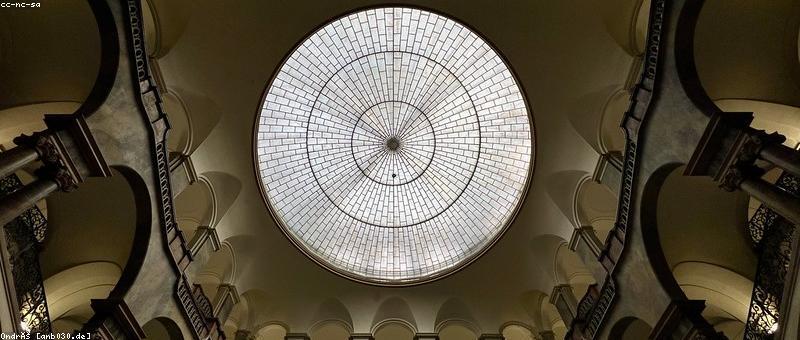
It’s easy to underestimate how much nature has silently guided human innovation — until you realize that some of the most groundbreaking architectural ideas are directly borrowed from the natural world. Think of the sleek, honeycomb-like structures that maximize strength with minimal material, or the self-cooling homes inspired by termite mounds. The roots of this movement stretch back to the biomimicry revolution of the 1980s, when scientists like Janine Benyus challenged designers to look to nature as a blueprint for sustainable innovation.
But it was really in the early 2000s that nature-inspired architecture began to gain momentum as a conscious design philosophy. Pioneers like Michael Pawlyn and Shigeru Ban combined ecological awareness with cutting-edge engineering, producing buildings that seem to breathe with their environment rather than fight against it.

Biomimicry in Practice: From Beehives to Buildings
Ever wonder why some structures seem to blend into their surroundings so seamlessly? The answer often lies in biomimicry, the art of copying nature’s successful solutions. The Eden Project in Cornwall, UK, is a stunning example. Its geodesic domes, inspired by the geometric efficiency of viral shells, create a space that’s both sustainable and awe-inspiring. The design reduces material use while maximizing interior space, echoing the natural design principles found in spider webs and honeycombs.
Another astonishing innovation is the approach of mimicking termite mounds to create buildings that regulate temperature without air conditioning. The Eastgate Centre in Harare, Zimbabwe, is a skyscraper that stays cool naturally, thanks to its exterior ventilation system inspired by termite mounds. The building consumes 90% less energy for cooling compared to traditional structures. Wait, really? A termite mound, in Zimbabwe, informing the next generation of green skyscrapers? It’s almost too incredible to believe.

Structures That ‘Grow’ and Adapt
Nature-inspired architecture isn’t just about copying static shapes — it's about creating living, adaptable systems. Take the self-healing concrete developed by researchers at the University of Colorado. Embedded with bacteria that produce limestone when cracks appear, this material can repair itself, extending building lifespan exponentially. It’s as if the building can heal itself, mimicking biological processes.
Meanwhile, the organically-shaped buildings like the Morpheus Hotel in Macau, designed by Zaha Hadid, seem to grow out of their site rather than be imposed upon it. These structures challenge our perceptions, blurring the lines between architecture and living organism. Can a building truly be alive? The answer is increasingly leaning toward yes, especially as smart materials and adaptive systems become part of mainstream design.
Material Innovation Inspired by Nature
The shift toward sustainable architecture owes much to innovations in materials that emulate natural processes. One example is the use of bio-based insulation, made from organic waste like rice husks or mycelium. These materials not only insulate effectively but also decompose harmlessly at the end of their lifecycle, reducing environmental impact.
Then there’s the advent of nanotechnology that replicates the properties of lotus leaves, creating water-repellent surfaces that keep buildings cleaner naturally. Imagine façades that never need repainting or washing — nature’s way of reducing maintenance costs and chemical use. This seamless integration of natural principles into material science is transforming the very fabric of architecture.
The Future of Nature-Inspired Design: Cities That Thrive
Imagine urban landscapes that breathe, heal, and adapt. The concept of biophilic cities aims to reweave humanity back into the natural fabric. Projects like Singapore’s Gardens by the Bay and the Bosco Verticale in Milan demonstrate how skyscrapers can host lush greenery, acting as vertical forests that purify air and support biodiversity.
Looking ahead, architects envision self-sustaining neighborhoods that generate their own energy, recycle water through natural processes, and even host native flora and fauna within the urban fabric. It’s a radical shift — no longer will cities be hostile concrete jungles but thriving ecosystems, all inspired by the genius of nature’s own designs.
The Hidden Power of Nature-Inspired Architecture
What’s most astonishing about this movement is its potential to redefine our relationship with the environment. These buildings are not just aesthetic marvels — they’re blueprints for resilience. As climate change accelerates, the natural world’s solutions — designed and scaled for human use — offer hope.
"In embracing nature’s lessons, we are not just building smarter; we are forging a sustainable future rooted in the wisdom of the natural world,"
Every curve, every material, every system in nature-inspired architecture whispers secrets that could help us turn the tide. The question is: are we listening? Because the buildings of tomorrow are already emerging, quietly, from the genius of the ecosystems that surround us.
Comments