Manufacturing Doubt
What connects manufacturing doubt to ancient empires, modern technology, and everything in between? More than you'd expect.
At a Glance
- Subject: Manufacturing Doubt
- Category: Epistemology, Sociology, Politics

Doubt as a Weapon
From the Sophists of ancient Greece to the modern disinformation campaigns of the 21st century, sowing doubt has long been a powerful tool for influencing public opinion and discourse. The manufacturing of consent through the strategic creation of uncertainty is a tactic as old as rhetoric itself.
In the 5th century BCE, the Sophists were a group of traveling philosophers and teachers who earned a reputation for their rhetorical prowess and ability to make the "weaker argument appear the stronger." By questioning the nature of truth and elevating subjective personal experience over objective facts, the Sophists demonstrated how language could be used to undermine certainty and reshape perceptions of reality.


The Tobacco Playbook
Centuries later, a new generation of doubt manufacturers would emerge, deploying similar tactics for very different ends. In the latter half of the 20th century, the tobacco industry famously embraced a strategy of manufacturing uncertainty around the health risks of smoking.
Led by firms like Hill & Knowlton, the industry launched concerted campaigns to cast doubt on the mounting scientific evidence linking cigarettes to lung cancer and other illnesses. By fueling public skepticism and sowing confusion, they were able to delay regulation and liability for decades, protecting their profits at the expense of public health.
"Doubt is our product, since it is the best means of competing with the 'body of fact' that exists in the mind of the general public."
— 1969 memo from the Brown & Williamson tobacco company
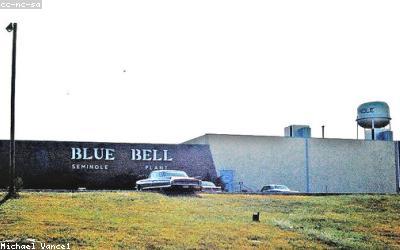


The Information Age Amplifies Doubt
The advent of the internet and the digital information age has dramatically expanded the scale and reach of doubt manufacturing. Whereas the tobacco companies relied on op-eds, lobbying, and public relations campaigns, modern purveyors of manufactured doubt can leverage algorithmic amplification, social media, and even deepfake technology to inject their message into the mainstream.

The Epistemological Challenge
At the heart of the phenomenon of manufactured doubt lies a deeper epistemological crisis. In an era of information overload, echo chambers, and post-truth politics, the very nature of truth and how we determine it has come into question. When objective facts can be easily obscured or distorted, the public is left adrift, unsure of what to believe.
This crisis of truth poses a grave threat to the functioning of democratic societies. If citizens cannot reliably distinguish truth from falsehood, how can they make informed decisions and hold their leaders accountable? The spread of misinformation undermines the foundations of public discourse and shared reality.


Combating Manufactured Doubt
Ultimately, addressing the challenge of manufactured doubt will require a multi-pronged approach. Strengthening media literacy, promoting data-driven journalism, and regulating the social media platforms that amplify falsehoods are all important steps.
But perhaps most crucially, we must re-examine our own cognitive biases and commitment to truth. By cultivating critical thinking, intellectual humility, and a willingness to change our minds in the face of new evidence, we can inoculate ourselves against the corrosive effects of manufactured doubt.
Comments