Malala Yousafzai
An exhaustive look at malala yousafzai — the facts, the myths, the rabbit holes, and the things nobody talks about.
At a Glance
- Subject: Malala Yousafzai
- Category: Human rights activist, educator, Nobel Peace Prize laureate
Malala Yousafzai is a Pakistani activist for female education and a Nobel Peace Prize laureate. She first gained international attention in 2012 when she survived an assassination attempt by the Taliban after speaking out for girls' education in her hometown of Mingora, Pakistan. Since then, she has become a global symbol of the struggle for universal access to education, especially for girls and women.
The Attempted Assassination
On October 9, 2012, Malala Yousafzai was traveling to school in Mingora, Pakistan when a gunman boarded her school bus and shot her in the head. She was only 15 years old at the time. The Taliban claimed responsibility for the attack, stating that Malala was "promoting secularism" and that they would target her again if she survived.
Malala was airlifted to the United Kingdom for emergency medical treatment. After months in the hospital, she made a full recovery and continued her activism. The assassination attempt only strengthened her resolve to fight for the rights of girls and women to receive an education.
From Hospital Bed to the World Stage
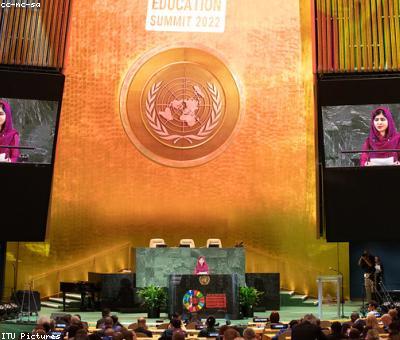
After her recovery, Malala continued her advocacy for girls' education, speaking out against the Taliban and other extremist groups that opposed female empowerment. In 2013, she addressed the United Nations Youth Assembly, delivering a powerful speech that called for universal access to education.
Malala's message resonated globally, and she became a celebrated figure, awarded numerous honors and accolades. In 2014, at the age of 17, she became the youngest person ever to receive the Nobel Peace Prize, which she shared with Indian activist Kailash Satyarthi.
"Let us pick up our books and our pens. They are our most powerful weapons." - Malala Yousafzai, Nobel Peace Prize acceptance speech
The Malala Fund
In 2013, Malala and her father, Ziauddin Yousafzai, established the Malala Fund, a non-profit organization dedicated to empowering girls through education. The fund provides grants to local educators and activists, and advocates for legislation and policies that promote girls' access to education worldwide.
The Malala Fund has supported projects in countries like Pakistan, Afghanistan, Nigeria, and Syria, helping to build schools, train teachers, and provide scholarships for girls. Malala's work through the fund has continued to raise awareness and drive change on a global scale.

A Voice for the Voiceless
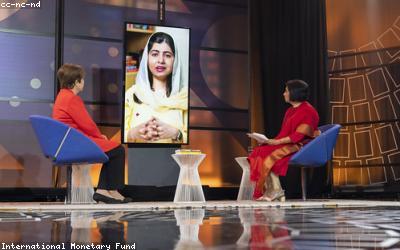
Malala Yousafzai has become a powerful voice for the rights of girls and women, using her platform to advocate for access to education and speak out against the oppression of marginalized communities. Her story has inspired millions around the world, and she continues to be a beacon of hope and courage in the struggle for human rights.
Through her work with the Malala Fund and her ongoing advocacy, Malala has shown that a single person can make a profound difference. Her unwavering commitment to her cause, even in the face of adversity, has made her a true hero and a role model for young people everywhere.
The Legacy Continues
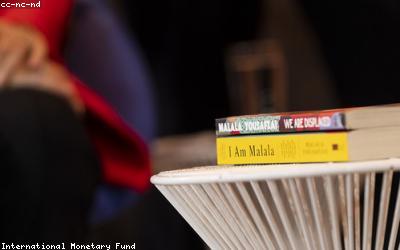
Today, Malala Yousafzai continues to be a prominent figure on the global stage, using her voice and influence to champion the rights of women and girls. She has authored several books, including her memoir I Am Malala, and has been featured in numerous documentaries and media outlets.
Malala's story has been a powerful catalyst for change, inspiring individuals and governments around the world to invest in girls' education and empower young women. Her legacy will continue to shape the global discourse on human rights and education for generations to come.
Comments