I Am Malala
From forgotten origins to modern relevance — the full, unfiltered story of i am malala.
At a Glance
- Subject: I Am Malala
- Category: Biography, Social Justice, Politics
The Fateful Shooting That Made Her a Global Icon
On October 9th, 2012, a young Pakistani girl named Malala Yousafzai boarded a school bus in her hometown of Mingora, Swat Valley. Suddenly, a masked gunman opened fire, critically injuring the 15-year-old in a brazen assassination attempt. Malala's crime? Advocating for girls' education in a region where the Taliban sought to deny that fundamental right.
In that moment, the quiet, thoughtful schoolgirl was thrust into the global spotlight, her story capturing hearts and minds worldwide. Malala's near-death experience catalyzed a tidal wave of support for her cause, transforming her into an international symbol of courage and determination in the face of oppression.
From a Modest Family to the World Stage
Malala was born in 1997 in the Swat Valley, a picturesque region of northern Pakistan. Her father, Ziauddin Yousafzai, was a vocal advocate for girls' education, running a local school that Malala attended. From a young age, she was imbued with her father's passion for learning and human rights.
As the Taliban's influence grew in Swat in the late 2000s, Malala became an outspoken critic of their repressive policies. At just 11 years old, she began blogging and giving speeches denouncing the Taliban's restrictions on female education. Her courage and eloquence soon earned her international acclaim, with the BBC even featuring her as a "New Voice" in their Urdu service.
"Let us pick up our books and our pens. They are our most powerful weapons." - Malala Yousafzai
The Assassination Attempt and Miraculous Recovery
On that fateful day in October 2012, the Taliban's gunmen struck Malala in the head with a single bullet, leaving her fighting for her life. She was airlifted to the United Kingdom, where doctors performed delicate surgery to save her. Against all odds, Malala miraculously recovered, regaining consciousness after several days in a coma.
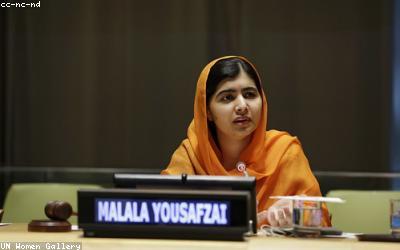
Her near-death experience only strengthened Malala's resolve. She continued her advocacy with renewed vigor, becoming an even more powerful voice for girls' education and human rights worldwide. In 2013, at just 16 years old, she addressed the United Nations, delivering a powerful speech that cemented her status as a global icon.
A Tireless Champion for the Powerless
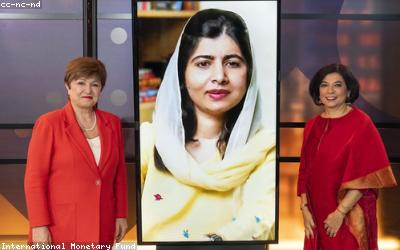
Today, Malala Yousafzai is a tireless advocate for the rights of women and children, using her global platform to amplify the voices of the marginalized and oppressed. She has addressed the U.S. Congress, met with world leaders, and published a best-selling memoir, I Am Malala, which has been translated into over 40 languages.
Despite the trauma she endured, Malala refuses to be defined by her near-death experience. Instead, she has channeled her suffering into an unwavering commitment to education, equality, and human dignity for all. From her hometown in Pakistan to the halls of power, her message continues to inspire and galvanize people worldwide.
Comments