Computer Programming
From forgotten origins to modern relevance — the full, unfiltered story of computer programming.
At a Glance
- Subject: Computer Programming
- Category: Computer Science, Technology
Humble Beginnings: The Dawn of Digital Logic
The origins of computer programming can be traced back to the 19th century, when pioneering minds like Charles Babbage and Ada Lovelace laid the groundwork for the modern digital revolution. Babbage's conceptual Analytical Engine, with its ability to execute programmed instructions, is considered a crucial precursor to the modern computer. Lovelace's visionary writings on the Analytical Engine's potential for "computing Bernoulli numbers" and "composing complex music" foreshadowed the endless possibilities of programming.
While Babbage and Lovelace's ideas remained largely theoretical during their lifetimes, the 20th century saw rapid advances in the field of digital logic and information processing. Alan Turing's landmark 1936 paper on the Turing machine laid the foundation for the modern concept of the computer algorithm, paving the way for the first general-purpose, programmable computers like the ENIAC and Mark I.
The Age of High-Level Languages
As computer hardware evolved, the need for more accessible and flexible programming methods became increasingly apparent. In the 1950s, pioneering computer scientists like Grace Hopper and John Backus developed high-level programming languages like COBOL and FORTRAN, which allowed programmers to write code in a more natural, English-like syntax. These landmark innovations paved the way for the explosion of programming languages and frameworks that we know today.
"Computer programming is the art of telling a computer what to do and getting it to do it in a clever, efficient way." - Eric S. Raymond, computer programmer and open-source software advocate
The Rise of Object-Oriented Programming
In the 1970s and 1980s, the programming landscape was transformed by the emergence of object-oriented programming (OOP). Pioneered by computer scientists like Alan Kay and Bjarne Stroustrup, OOP introduced a new paradigm that emphasized the encapsulation of data and functionality into reusable "objects." This revolutionary approach to software design paved the way for the development of modern programming languages like C++, Java, and Python, which have become ubiquitous in the tech industry.

The Democratization of Programming
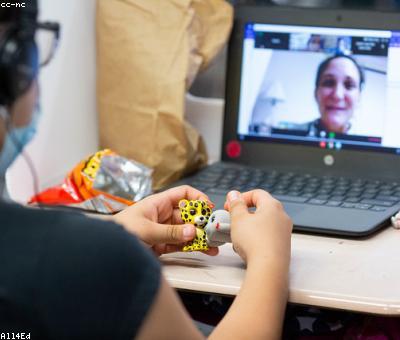
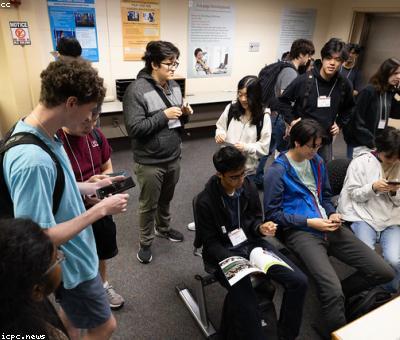
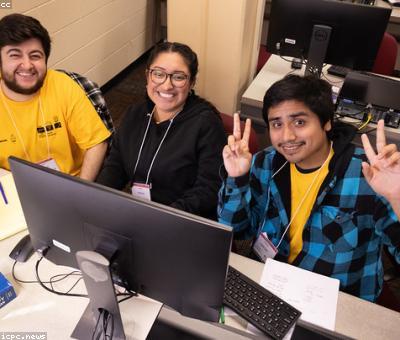
In the 21st century, the field of computer programming has become increasingly accessible to the masses. Thanks to the widespread availability of online tutorials, coding bootcamps, and user-friendly development platforms, learning to code is no longer the exclusive domain of computer science graduates. This democratization of programming has opened up new avenues for creativity, innovation, and entrepreneurship, empowering people from all walks of life to bring their ideas to life through the power of code.
The Future of Programming
As technology continues to evolve at a rapid pace, the field of computer programming is poised to undergo even more transformative changes. The rise of artificial intelligence, the ubiquity of cloud computing, and the increasing importance of cybersecurity are just a few of the trends that will shape the future of programming. Whether it's the development of quantum computing algorithms or the creation of immersive virtual and augmented reality experiences, the possibilities for programmers in the decades to come are truly boundless.
Comments