Cognitive Biases
How cognitive biases quietly became one of the most fascinating subjects you've never properly explored.
At a Glance
- Subject: Cognitive Biases
- Category: Psychology, Cognitive Science, Human Behavior
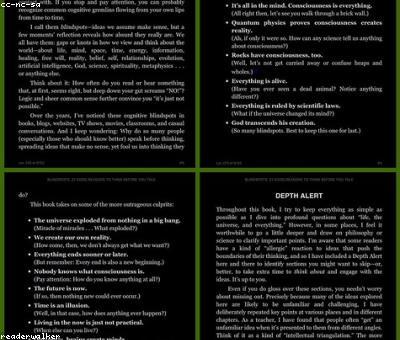
Cognitive biases are fascinating mental shortcuts that quietly shape our thoughts, decisions, and actions in ways most of us never realize. While they may seem like simple quirks of the human mind, these biases have far-reaching implications – from the boardroom to the ballot box, and everywhere in between.


The Origins of Cognitive Bias
The concept of cognitive bias can be traced back to the pioneering work of psychologists Daniel Kahneman and Amos Tversky in the 1970s. Through their groundbreaking research, they revealed that the human brain is hardwired with a variety of mental shortcuts and heuristics that allow us to process information rapidly, but also make us vulnerable to systematic errors in judgment and decision-making.
One of the earliest and most well-known examples is the anchoring bias, which causes us to rely too heavily on the first piece of information we encounter when making a decision. For instance, if you're negotiating the price of a used car and the salesperson starts with an inflated figure, your brain will unconsciously use that as an "anchor" – even if you intellectually know it's too high.


The Pervasive Nature of Cognitive Biases
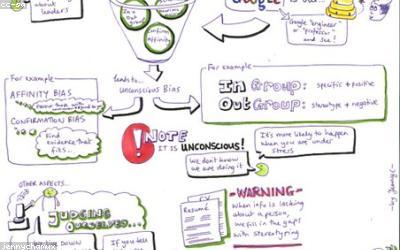
What makes cognitive biases so fascinating is just how pervasive and universal they are. These mental blindspots can influence everything from the investments we make to the political candidates we support. A classic example is the confirmation bias, which leads us to seek out and favor information that confirms our existing beliefs, while ignoring or dismissing contradictory evidence.
Cognitive biases can also have profound implications for society as a whole. The in-group bias, for example, leads us to favor and trust members of our own social, ethnic, or political groups, while being more skeptical or hostile towards "outsiders". This can contribute to the polarization and tribalism that often plagues modern politics and social discourse.


Debiasing the Mind
The good news is that, with awareness and effort, we can learn to recognize and mitigate the effects of cognitive biases. Techniques like "pre-mortem" analysis, where we imagine potential failure scenarios before making a decision, can help counteract the overconfidence bias. And simply being mindful of our thought processes and seeking out diverse perspectives can go a long way towards debiasing our minds.
"The world is a confusing place, and our brains have evolved to make sense of it as best they can. But those mental shortcuts can lead us astray if we're not careful." - Dr. Emily Falk, cognitive psychologist
Ultimately, understanding cognitive biases is not about eliminating them entirely – that may be impossible. Rather, it's about learning to work with and around them, to make more informed, rational, and empathetic decisions both as individuals and as a society.
The Future of Cognitive Bias Research
As our knowledge of the human mind continues to expand, the field of cognitive bias research is only becoming more important and fascinating. Neuroscientists are now using advanced brain imaging techniques to map the neural pathways underlying these biases, while behavioral economists are exploring how they impact financial decision-making.
Perhaps most exciting of all, researchers are exploring ways to harness cognitive biases for good – using "nudge" techniques to encourage healthier behaviors, more ethical business practices, and better political decisions. The possibilities are endless, and the implications for how we understand and shape the human mind are profound.
So the next time you catch yourself making a snap judgment or falling for a tempting cognitive shortcut, take a moment to reflect. Cognitive biases may be deeply ingrained, but by shining a light on them, we just might be able to outsmart our own minds.
Comments