Wabi Sabi
Most people know almost nothing about wabi sabi. That's about to change.
At a Glance
- Subject: Wabi Sabi
- Category: Japanese Aesthetic Philosophy
- Origin: 15th-century Japan, Muromachi period
- Main Principles: Imperfection, impermanence, simplicity
- Influence: Modern design, architecture, mindfulness practices


The Hidden Heart of Japanese Beauty: What Is Wabi Sabi?
Imagine a cracked porcelain teacup — worn, uneven, yet somehow more beautiful than any pristine, mass-produced china. That’s the essence of wabi sabi. It’s not just an aesthetic but a way of seeing the world, emphasizing that beauty resides in the flawed, the fleeting, and the humble.
While Western culture often champions perfection — flawless symmetry, sleek minimalism — wabi sabi dares to revel in the imperfect. It’s a quiet rebellion against the obsession with eternal youth and flawless appearances.
The Origins in Japan’s Muromachi Period
Born in 15th-century Japan, wabi sabi emerged amidst the austerity of the Muromachi era, a time marked by political upheaval and a deep appreciation for rustic simplicity. It was initially intertwined with zen Buddhism, serving as a spiritual practice that finds beauty in transience and imperfection.
Legend has it that the term “wabi” originally referred to a transient, rustic simplicity associated with rural life, while “sabi” described the beauty that develops with age — patina, oxidation, the subtle changes that tell a story. Over centuries, these concepts merged into a singular aesthetic philosophy that values the imperfect, the incomplete, and the humble.
Interestingly, famous tea masters like Murata Jukō and Sen no Rikyū codified many principles of wabi sabi into the Japanese tea ceremony, transforming it into a ritual that celebrates rustic charm and subdued elegance.
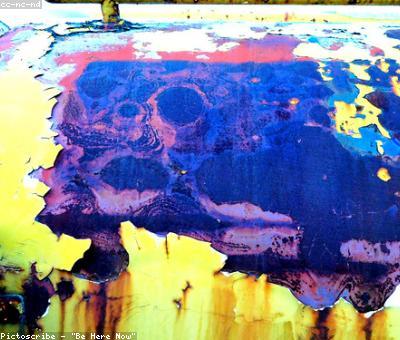

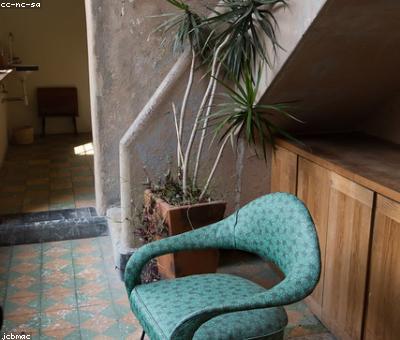
Wabi Sabi in Art and Architecture
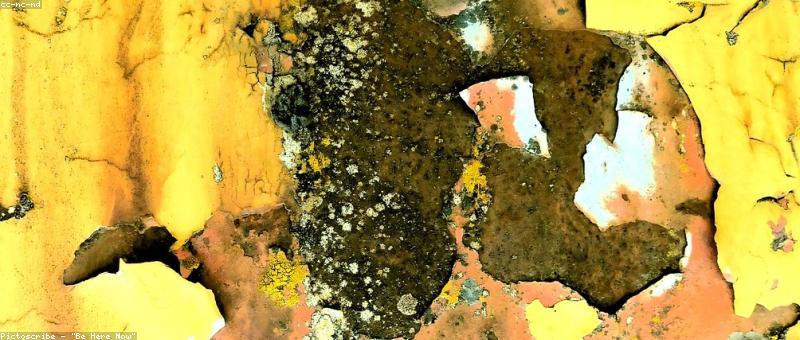
Wabi sabi’s influence is palpable in the understated beauty of traditional Japanese architecture — think of moss-covered stone lanterns, weathered wooden fences, and uneven tatami mats. It champions natural materials that age gracefully, acquiring character with time rather than losing it.
In zen gardens, stones are deliberately placed off-center, and gravel raked into asymmetrical patterns, embodying the principles of wabi sabi — simplicity, asymmetry, and impermanence. These gardens serve as microcosms of the universe, reminding us that harmony isn’t about perfection but balance amidst chaos.
“Wabi sabi is a mirror — showing us the beauty of our own imperfections and transient nature.” – Master architect Takashi Ueda
Contemporary designers have embraced these ideas, creating interior spaces that feel lived-in and authentic rather than sterile and perfect. The beauty of wabi sabi isn’t just in the objects themselves but in the stories they carry.

Wabi Sabi and Mindfulness: Embracing Impermanence
More than an aesthetic, wabi sabi is a mindset — an invitation to find peace in impermanence. In a world obsessed with eternal youth and flawless appearances, wabi sabi asks us to cherish each moment’s fleeting beauty.
Practicing wabi sabi can mean savoring a cup of tea slowly, appreciating the crack in a favorite mug, or recognizing the gentle decay of a weathered door. It’s about mindfulness — being fully present with what is, rather than yearning for what could be.
This philosophy echoes in the modern concept of slow living and the appreciation for handmade crafts, where imperfections signal authenticity and soul.
The Surprising Relevance of Wabi Sabi Today
In a world saturated with digital perfection — airbrushed images, flawless smartphones — wabi sabi offers a breath of fresh air. It challenges us to embrace authenticity over perfection, humility over arrogance.
From the slow fashion movement to eco-architecture, the principles of wabi sabi resonate deeply. It reminds us that beauty is not static but evolves, ages, and gains character through time.
Even tech designers are getting in on the act. Some are creating handcrafted tech accessories that wear their age with pride, a nod to the philosophy’s timeless appeal.

The Unexpected Power of Wabi Sabi
Ever wonder why some of the most memorable objects are those with scars and flaws? Wabi sabi reveals that imperfections evoke emotion and connection — stories, memories, the human touch.
In fact, the Japanese artist Katsu Tanaka believes that embracing imperfections in art unlocks a deeper emotional response. His ceramic pieces, deliberately uneven and textured, sell for thousands because they echo the impermanent beauty of life itself.
It’s a lesson in humility, humility that can transform our homes, relationships, and even our self-image. The more we accept our own flaws, the more authentic our lives become.
Comments