Thucydides Trap
From forgotten origins to modern relevance — the full, unfiltered story of thucydides trap.
At a Glance
- Subject: Thucydides Trap
- Category: Geopolitics, International Relations, Military History
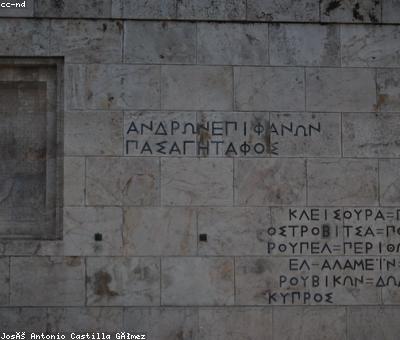


The Forgotten Origins of Thucydides Trap
The term "Thucydides Trap" originates from a little-known passage in the writings of the ancient Greek historian Thucydides. In his seminal work "History of the Peloponnesian War", Thucydides described the fatal dynamic that unfolded between the rising power of Athens and the established dominance of Sparta. As Athens grew stronger, Sparta grew fearful, and the two powers inevitably slid into open conflict.
Thucydides famously wrote that "it was the rise of Athens and the fear that this inspired in Sparta that made war inevitable." This observation, now known as the "Thucydides Trap", has become a crucial lens for understanding the dynamics of power transitions throughout history.
The Peloponnesian War: A Cautionary Tale
The Peloponnesian War, which ravaged ancient Greece from 431-404 BC, serves as the classic case study of the Thucydides Trap in action. As the upstart power of Athens challenged the long-dominant Sparta, the resulting clash shattered the Greek world order and ultimately led to the downfall of both city-states.
Thucydides' meticulous chronicling of the conflict revealed how the inexorable logic of the Trap played out. Sparta, fearing the growing might of its rival, preemptively launched a devastating assault. Athens, unwilling to back down, fought back with tenacity. The resulting war was brutal, protracted, and ultimately apocalyptic for all involved.
"The growth of the power of Athens, and the alarm which this inspired in Sparta, made war inevitable."
- Thucydides, History of the Peloponnesian War

Echoes Through the Ages
The Thucydides Trap has cast a long shadow over the course of human history. Time and again, the pattern of a rising power challenging an established hegemon has played out, often with catastrophic consequences.
Some of the most significant examples include the rivalry between the Roman Empire and the Carthaginian Empire, the clash between Great Britain and Imperial Germany in the early 20th century, and the ongoing tensions between the United States and China in the 21st century.
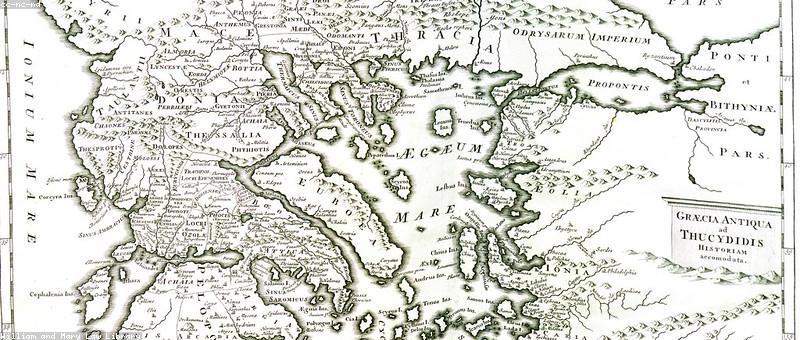
Avoiding the Trap
Given the grave consequences of the Thucydides Trap, scholars and policymakers have long debated how to avoid its pitfalls. Some argue that clear, open communication and diplomacy are key, allowing the rising power to integrate peacefully into the existing order. Others contend that a strategic "offshore balancing" approach, where a third party acts as an honest broker, can help defuse tensions.
Ultimately, the challenge lies in navigating the delicate balance between the natural human impulses of ambition, fear, and pride. As the ancient Greek historian so presciently observed, it is these universal forces that have the power to transform even the most minor of rivalries into full-blown conflagrations.

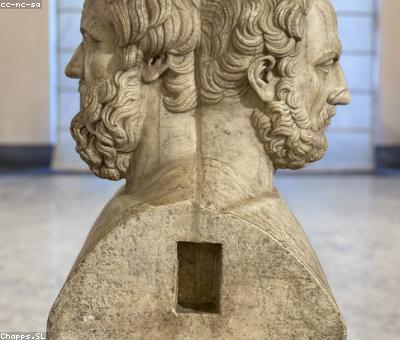

Lessons for the Modern Era
As the 21st century witnesses the shifting sands of global power, the specter of the Thucydides Trap looms large. The growing rivalry between the United States and China, in particular, has raised concerns that the world may be on the brink of another devastating conflict.
Yet the lessons of history offer hope. By understanding the dynamics that have driven past power transitions, policymakers today have the opportunity to craft strategies that can peacefully manage the rise of new global powers. As the world becomes increasingly interdependent, the cost of failing to heed Thucydides' warning has never been higher.
Comments