The Transformation Of The Electricity Grid
The complete guide to the transformation of the electricity grid, written for people who want to actually understand it, not just skim the surface.
At a Glance
- Subject: The Transformation Of The Electricity Grid
- Category: Energy, Technology, Infrastructure

The Radical Shift Underway
The electricity grid as we've known it for over a century is undergoing a profound transformation — one that will reshape how we power our homes, businesses, and communities. This isn't some distant future scenario, it's happening right now, driven by a perfect storm of technological breakthroughs, economic forces, and environmental realities.
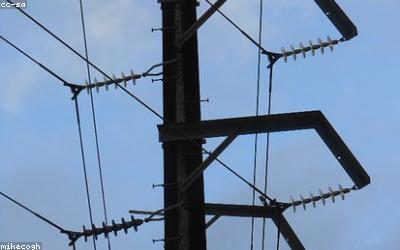
The old model of large, centralized power plants transmitting electricity over miles of high-voltage lines is being rapidly supplanted by a more distributed, flexible, and renewable-powered grid. Solar panels on rooftops, wind turbines dotting the landscape, and massive battery installations are fundamentally changing the equation. Meanwhile, technologies like smart meters, demand response, and vehicle-to-grid integration are giving consumers and businesses unprecedented control over their energy use.
Renewable Energy Ascendant
At the heart of this transformation is the skyrocketing growth of renewable energy sources like solar and wind power. In 2021, renewables surpassed fossil fuels as the largest source of electricity generation capacity worldwide. In the United States, renewable energy now accounts for over 20% of total electricity production, up from just 8% in 2008.
This rapid ascent is being driven by a virtuous cycle of plummeting technology costs, improved efficiency, and supportive government policies. The price of solar photovoltaic modules, for example, has dropped by over 80% since 2010. Meanwhile, wind turbines are reaching new heights, both literally and figuratively, with taller towers and longer blades driving capacity factors to new highs.
"We're seeing renewable energy reach a true tipping point. The economics have shifted so dramatically that clean power is now the cheapest source of new electricity generation in most of the world."
— Dr. Fatih Birol, Executive Director of the International Energy Agency
The Rise of Distributed Generation
As renewable energy scales up, a more decentralized model of electricity production is emerging. Rooftop solar panels, community solar farms, and small-scale wind turbines are giving both residential and commercial consumers the ability to generate their own power. This distributed generation is challenging the traditional utility monopoly and giving people a greater sense of energy independence.
But distributed generation is about more than just solar panels on rooftops. Microgrids, which are self-contained local electricity networks, are popping up in cities, campuses, and remote communities. These microgrids can island themselves from the main grid, providing resilience and reliability in the face of outages.


The Promise of Energy Storage
The rise of renewable energy has also driven rapid advancements in energy storage technology. Lithium-ion batteries, flow batteries, and other storage solutions are becoming more powerful, longer-lasting, and cost-effective. This is a game-changer, as it allows renewable energy to be stored and dispatched on demand, overcoming the intermittency issues that have historically hampered wind and solar.
Utility-scale battery installations are being deployed to provide grid-level storage, smoothing out fluctuations and shaving peak demand. Meanwhile, electric vehicles are becoming a mobile energy storage resource, with vehicle-to-grid (V2G) technology allowing them to push power back to the grid when needed.
The Role of Digital Technologies
Underpinning the transformation of the electricity grid is a wave of digital technologies that are increasing efficiency, reliability, and responsiveness. Smart meters, advanced sensors, and intelligent control systems are creating a more granular, real-time view of energy flows. Machine learning and artificial intelligence are enabling predictive maintenance, automated demand response, and optimized grid operations.
The rise of the Internet of Things is also a key driver, with connected devices, appliances, and distributed energy resources communicating and coordinating to balance supply and demand. This "internet of energy" is ushering in a new era of consumer empowerment and grid flexibility.

Rethinking the Regulatory Landscape
As the electricity grid evolves, policymakers and regulators are grappling with how to update the rules and incentives to keep pace. Issues like net metering, grid access for distributed energy resources, and the valuation of grid services are being hotly debated.
Some jurisdictions are leading the way with innovative regulatory approaches, such as New York's Reforming the Energy Vision (REV) initiative. By encouraging utilities to become "Distributed System Platform Providers," REV is catalyzing the deployment of distributed energy resources and helping consumers take a more active role in managing their energy use.
The Path to a Resilient, Sustainable Grid
The transformation of the electricity grid is not without its challenges. Integrating high levels of variable renewable energy, upgrading aging infrastructure, and coordinating the diverse array of distributed resources will require significant investment and innovative solutions. But the potential benefits — in terms of emissions reductions, consumer choice, and grid resilience — are immense.
As we navigate this pivotal moment in the history of our energy systems, one thing is clear: the electricity grid of the future will look vastly different from the one we've known. It will be cleaner, smarter, and more dynamic — a critical foundation for a sustainable, electrified future.
Comments