The Soul And The Afterlife
The deeper you look into the soul and the afterlife, the stranger and more fascinating it becomes.
At a Glance
- Subject: The Soul And The Afterlife
- Category: Metaphysics, Philosophy, Religion


The Origins of the Soul
The concept of the soul - the immaterial essence of a living being - has captivated philosophers, theologians, and mystics for millennia. While the origins of this idea are obscured in the mists of prehistory, many ancient civilizations shared a core belief: that human beings possess a non-physical part that transcends the physical body.
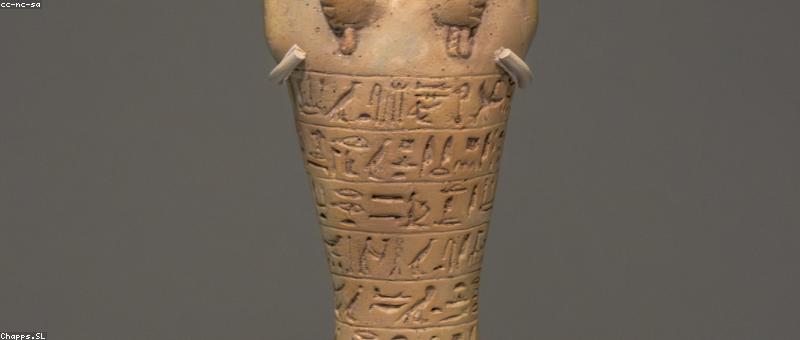
In ancient Egypt, the ka and ba were seen as the spiritual doubles of the physical body, which would reunite after death. The Mesopotamians spoke of the etemmu, a spectral version of the self that continued on in the afterlife. The ancient Greeks developed the idea of the psyche - the immortal, immaterial essence of a person.




The Spiritual Dimension
Across religions and cultures, the soul is intimately tied to the spiritual realm. In Abrahamic faiths like Judaism, Christianity, and Islam, the soul is believed to be the locus of moral decision-making, the seat of the self, and the conduit to the divine. The soul is seen as the part of the human being that lives on after physical death, either ascending to heaven or descending to hell.
"The soul is the true self, the life in our life, the form in our form." - Thomas Merton, Trappist monk and author
In Hinduism, the atman is the immortal, universal soul that is one with the divine Brahman. The goal of the spiritual path is to realize the unity of the individual self with the cosmic self. Buddhism, on the other hand, rejects the notion of an eternal, unchanging self or soul, focusing instead on the ever-changing flow of consciousness.
The Mind-Body Problem
The relationship between the soul and the physical body has been a source of endless philosophical debate. How can the immaterial soul interact with the material world? Dualist thinkers like Descartes argued that the soul and body were separate substances, while materialists viewed consciousness as an emergent property of the brain's physical processes.
The Afterlife
Perhaps the most captivating aspect of the soul is its purported ability to survive physical death. Beliefs about the afterlife vary widely, from the Egyptian conception of the underworld to the Christian vision of heaven and hell, the Hindu notion of reincarnation, and the Buddhist idea of nirvana.
Throughout history, there have been countless accounts of near-death experiences, out-of-body experiences, and communication with the dead. While skeptics dismiss these as mere hallucinations, true believers see them as windows into the mystical realm of the soul and the afterlife.
The Search for Meaning
Ultimately, the enduring fascination with the soul and the afterlife speaks to humanity's deep-seated desire to find meaning, purpose, and continuity beyond the finite bounds of physical existence. Even as science continues to unravel the mysteries of the mind and consciousness, the allure of the spiritual dimension remains undiminished.
Whether you approach it from a religious, philosophical, or scientific perspective, the exploration of the soul and the afterlife offers a gateway to the most profound and profound questions about the human condition. It is a journey that continues to captivate and challenge us, drawing us ever deeper into the unknown.
Comments