The Rise Of Internet Activism
The complete guide to the rise of internet activism, written for people who want to actually understand it, not just skim the surface.
At a Glance
- Subject: The Rise Of Internet Activism
- Category: Internet, Social Movements, Technology
The Fateful Day That Started It All
It was June 14th, 2009. A young Iranian woman named Neda Agha-Soltan was killed during the post-election protests in Tehran, and her death was captured on video and shared widely online. This shocking footage – of a young woman bleeding to death on the street – galvanized a global movement in support of the protesters. It was one of the first times the world witnessed the power of "Internet activism" – how a single, raw video clip could spark massive international outcry and pressure.

The First Social Media Revolutions
The 2011 Egyptian revolution is a prime example of internet activism at work. When protests erupted against the Mubarak regime, activists used Facebook, Twitter, and YouTube to broadcast the unfolding events to the world. They shared images and videos of police brutality, organized mass demonstrations, and made the government's violent crackdown impossible to deny or ignore. After 18 days of sustained protests, Mubarak was forced to step down.
The Tunisian revolution earlier that year had a similar dynamic, with social media playing a crucial role in mobilizing the public and shining a global spotlight on the government's repression. Both the "Jasmine Revolution" in Tunisia and the "Arab Spring" uprisings that followed demonstrated the transformative power of online organizing.
From Viral Outrage to Real-World Impact
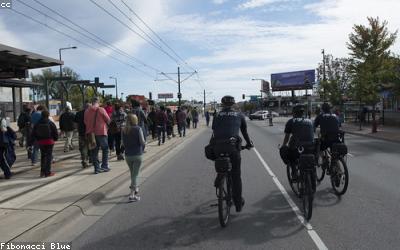
In the years since, we've seen countless other examples of internet activism driving tangible change. The Black Lives Matter movement in the US, sparked by the 2014 police killing of Michael Brown, used social media to coordinate protests, raise awareness, and put pressure on authorities. The Occupy Wall Street movement in 2011 also relied heavily on internet organizing to rally support and "occupy" public spaces.
"Social media has become the nervous system of social movements. It's how people feel a part of something bigger than themselves, how they organize, how they recruit, how they raise money, how they speak and how they showcase what's happening on the ground." - Zeynep Tufekci, sociologist and author



The Dark Side of Clicktivism
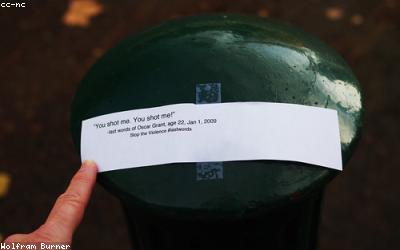
Of course, the rise of internet activism has also had its downsides. The ease of "slacktivism" – signing online petitions, sharing posts, or adding a filter to your profile picture without taking meaningful action – has been criticized for creating a false sense of making a difference. And the spread of misinformation and "fake news" on social media has been weaponized to undermine legitimate social movements.

The Future of Internet Activism
Despite these challenges, the power of internet activism continues to grow. Social media has become an indispensable tool for organizing, fundraising, and amplifying grassroots movements around the world. And as new technologies like live-streaming, encrypted messaging, and decentralized platforms emerge, the opportunities for online activism will only expand.
But the ultimate test of internet activism will be its ability to translate online momentum into tangible, lasting change. As the Arab Spring uprisings demonstrated, toppling a regime is often easier than building a stable, democratic society in its place. The future of internet activism will depend on its ability to sustain long-term engagement, build diverse coalitions, and develop effective strategies for wielding real-world influence.
Comments