The Rise And Fall Of The Walkman
Everything you never knew about the rise and fall of the walkman, from its obscure origins to the surprising ways it shapes the world today.
At a Glance
- Subject: The Rise And Fall Of The Walkman
- Category: Consumer Electronics, Audio Technology, Cultural History
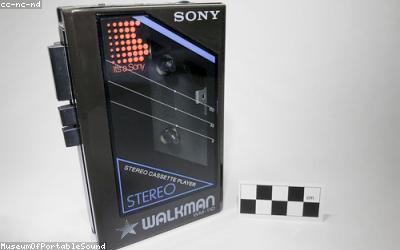

The Humble Beginnings of the Walkman
The Walkman's origin story begins in an unlikely place: the Tokyo offices of Sony Corporation in the late 1970s. There, a small team of engineers, led by the visionary Nobutoshi Kihara, were tasked with a seemingly impossible challenge – to create a portable cassette player so compact and lightweight that it could be carried anywhere.
At the time, the concept of "personal music" was still in its infancy. Bulky, power-hungry reel-to-reel tape recorders and boomboxes dominated the market, confining listeners to their homes or cars. But Kihara and his team had a bold vision: to liberate music from the constraints of physical space and transform the way people experienced sound.
A Cultural Phenomenon
The Walkman's debut in 1979 was met with a mixture of skepticism and excitement. Many industry experts dismissed it as a niche product, unable to compete with the dominant boom boxes and car stereos of the era. However, the Walkman's sleek design, unparalleled portability, and distinctive "headphone" listening experience quickly captivated the public's imagination.
As word of the Walkman spread, it became a status symbol, a fashion accessory, and a cultural touchstone. Young people, in particular, embraced the device as a symbol of their independence and personal identity. The Walkman allowed them to create their own auditory bubbles, shutting out the outside world and immersing themselves in the music of their choice.
"The Walkman was more than just a device – it was a revolution in how we experienced music. It gave us the freedom to be the architects of our own sonic landscapes, to craft the soundtrack to our lives."
- Masaru Ibuka, co-founder of Sony Corporation
The Walkman's Global Domination
As the 1980s progressed, the Walkman's popularity exploded globally. Sony relentlessly promoted the device, launching a series of successful marketing campaigns that emphasized its portability, style, and ability to enhance daily activities.
From joggers and commuters to students and travelers, the Walkman became an indispensable companion for people around the world. Its sleek, minimalist design and versatile functionality – supporting both cassette tapes and eventually CD-ROMs – cemented its status as a cultural icon.
The Decline of the Walkman
Despite its meteoric rise, the Walkman's reign as the undisputed king of portable music was not to last. As the 1990s dawned, a new generation of digital music players, led by the Apple iPod, began to emerge and challenge the Walkman's dominance.
The iPod's sleek design, massive storage capacity, and seamless integration with digital music libraries proved to be a formidable rival. Younger consumers, in particular, were drawn to the iPod's ability to store thousands of songs and provide a more customizable listening experience.
As CD-ROMs and cassette tapes gave way to MP3s and digital downloads, the Walkman's reliance on physical media became a liability. Sony struggled to adapt to the rapidly changing landscape, and by the early 2000s, the once-ubiquitous device had all but vanished from the market.
The Walkman's Enduring Legacy
Though the Walkman may no longer be the dominant force in portable music, its legacy continues to shape the way we experience and consume audio. The concept of personal, immersive listening that the Walkman pioneered has become a fundamental aspect of modern life, with the proliferation of smartphones, wireless headphones, and streaming services.
Moreover, the Walkman's influence extends far beyond the realm of music. Its design and functionality have inspired countless other products, from fitness trackers to virtual reality headsets, as people seek new ways to integrate technology seamlessly into their daily routines.
As the world continues to evolve, the Walkman's story serves as a reminder that even the most iconic and dominant products can ultimately succumb to the relentless march of progress. Yet, its lasting influence on the way we live, work, and play will ensure that the Walkman's name and impact will never be forgotten.
Comments