The Promise And Peril Of Brain Computer Interfaces
An exhaustive look at the promise and peril of brain computer interfaces — the facts, the myths, the rabbit holes, and the things nobody talks about.
At a Glance
- Subject: The Promise And Peril Of Brain Computer Interfaces
- Category: Technology, Neuroscience, Ethics


The Astonishing Rise Of Brain-Computer Interfaces
For decades, the idea of directly connecting the human brain to computers seemed like pure science fiction. But in the past 20 years, brain-computer interfaces (BCIs) have gone from the realm of academic research to a rapidly growing commercial industry, with major implications for everything from medicine and gaming to national security and the future of humanity itself.
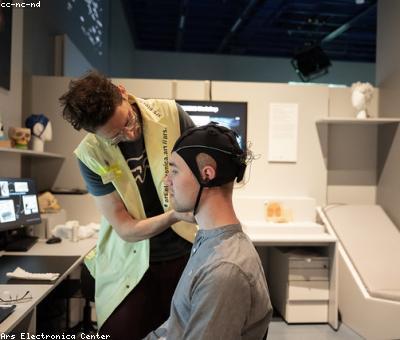
The core premise of a BCI is simple: by monitoring and interpreting the brain's electrical activity, we can create a direct communication channel between the human mind and external digital systems. This allows paralyzed individuals to control robotic limbs with their thoughts, gamers to manipulate virtual worlds using only their brainwaves, and even the possibility of one day "uploading" our consciousness to the cloud.


The Promise Of Brain-Computer Interfaces
The potential benefits of BCIs are staggering. For the millions of people around the world living with paralysis, BCIs offer the possibility of regaining mobility and independence. Amputees could have their severed limbs functionally replaced by robotic prosthetics that respond to their neural commands. Patients with severe neurological conditions like locked-in syndrome or ALS could communicate and interact with the world again.
But the promise of BCIs extends far beyond medical applications. Developers have already created BCIs that allow users to control video games, adjust the volume on their music, or even steer drones and other unmanned vehicles. Elon Musk's company Neuralink has demonstrated a monkey playing Pong with its mind. And the US military is exploring BCIs that could enhance soldiers' reaction times, memory, and decision-making abilities.
"A direct connection between the brain and digital technology could completely change how we live, work, and interact with the world around us."


The Peril Of Brain-Computer Interfaces
Of course, with great power comes great responsibility. As BCIs become more advanced and widespread, they also raise a host of profound ethical and security concerns. What if these interfaces could be hacked, hijacked, or used for nefarious purposes? Imagine if a bad actor could take control of someone's prosthetic limbs, control their movements, or even read their private thoughts.
There are also serious questions about the long-term effects of integrating our brains so intimately with technology. Could overuse or misuse of BCIs lead to addiction, mental health issues, or the erosion of our sense of self? And what are the implications for personal privacy, informed consent, and even the nature of consciousness itself?

Navigating The Brave New World Of BCIs
As with any transformative technology, the future of brain-computer interfaces will depend on how we choose to develop and regulate them. Policymakers, ethicists, and the public will all need to grapple with profound questions about privacy, security, informed consent, and the very nature of human identity.
But if we can get the right balance between innovation and responsible oversight, BCIs could unlock amazing possibilities. Paraplegics might regain the ability to walk. Struggling students could boost their cognitive abilities. People suffering from mental illness could find new treatments. The human-machine merger predicted by science fiction may be closer than we think.
Comments