The Home Organization Influencer Movement
The deeper you look into the home organization influencer movement, the stranger and more fascinating it becomes.
At a Glance
- Subject: The Home Organization Influencer Movement
- Category: Lifestyle, Social Media, Consumer Trends
- Key Figures: Marie Kondo, Mrs. Hinch, Clea Shearer, Joanna Teplin
- Impact: Sparked a global home organization craze, transformed the housekeeping industry, contributed to the rise of Instagram and TikTok influencer culture

The Rise of the Home Organization Influencers
In the late 2010s, a new breed of social media personalities emerged, promising to transform the mundane chore of housekeeping into something aspirational and even addictive. Dubbed "home organization influencers," these charismatic individuals amassed millions of devoted followers by sharing meticulously curated glimpses into their pristine, perfectly arranged homes.
The craze was kickstarted in 2014 by the publication of Marie Kondo's best-selling book The Life-Changing Magic of Tidying Up. Kondo's "KonMari" method of minimalist home organization quickly became a global phenomenon, sparking a frenzy of decluttering and sparking joy among fans.
The Influencer Superstars Emerge
As the home organization trend gained momentum, a new generation of social media stars began to emerge. British "cleaning influencer" Mrs. Hinch (real name Sophie Hinchliffe) amassed over 4 million Instagram followers by 2019 with her satisfying cleaning routines and transformative before-and-after shots. Stateside, professional organizers Clea Shearer and Joanna Teplin of The Home Edit built a brand empire by bringing high-end organization methods to the masses.
"I used to dread cleaning. Now it's the highlight of my day!" - Mrs. Hinch, home organization influencer


The Business of Being Tidy
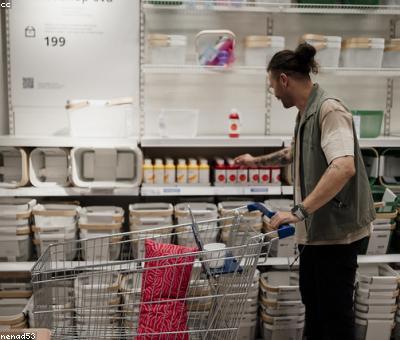
The rise of home organization influencers has transformed the housekeeping industry, creating new revenue streams and career paths. Influencers have collaborated with major brands on lucrative sponsorship deals, launched their own product lines, and even transitioned into TV personalities. Their massive online followings have made them a coveted marketing channel, with companies eager to align themselves with the aesthetics of a "perfectly organized life."
Marie Kondo's KonMari method didn't just inspire individuals to tidy up - it led to a broader cultural shift. Secondhand stores reported surges in donations, while professional organizers and junk removal services saw skyrocketing demand. Kondo's philosophy of only keeping items that "spark joy" became a guiding principle for millions.



The Backlash and the Future
As the home organization influencer phenomenon reached its peak, critics began to push back against its picture-perfect, consumerist undertones. Some argued that the emphasis on expensive organizers and constant decluttering promoted an unsustainable and oppressive vision of domestic life. However, the movement's core appeal - the satisfaction of control, order, and visual harmony in the home - seems unlikely to fade anytime soon.
The Lasting Impact
The home organization influencer craze has left an indelible mark on popular culture. It has transformed how we think about homemaking, sparked new business opportunities, and shifted the social media landscape. Whether you buy into the KonMari method or not, there's no denying the profound influence these carefully curated, filter-honed images of domestic bliss have had on our collective consciousness.
Comments