The History Of Barbecue
The deeper you look into the history of barbecue, the stranger and more fascinating it becomes.
At a Glance
- Subject: The History Of Barbecue
- Category: Food and Cooking
Barbecue, that hallmark of summer cookouts and tailgate parties, has a history that stretches back thousands of years and spans the globe. But the story of how this simple act of cooking meat over fire evolved into a culinary art form is anything but straightforward.

The Indigenous Origins of Barbecue
The origins of barbecue can be traced back to the indigenous peoples of the Caribbean, where the Taíno people developed a cooking method they called barbacoa. This involved suspending meat over a fire on a wooden grate, allowing the smoke to slowly infuse the meat with flavor. The word "barbecue" is thought to derive from this Taíno term.
As European explorers arrived in the Americas, they encountered this novel cooking technique and brought it back to their home countries. Over time, barbecue evolved and spread across the globe, taking on regional variations and unique flavors.
The American Barbecue Tradition
In the United States, barbecue became deeply ingrained in the culinary and cultural fabric of the South. Enslaved Africans brought their own smoking and slow-cooking techniques, which blended with Native American and European methods to create the distinct styles of barbecue found in places like the Carolinas, Texas, and Memphis.
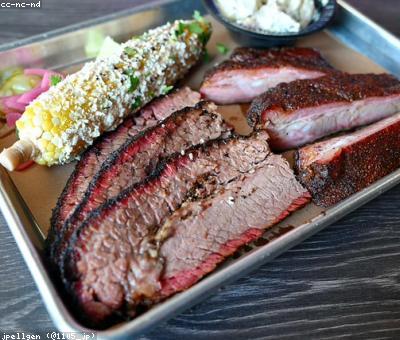
Each region developed its own signature cuts of meat, sauces, and cooking methods. For example, the Carolinas are known for their use of pork and tangy, vinegar-based sauces, while Texas barbecue favors beef brisket and bold, tomato-based sauces.
"Barbecue may not be the road to world peace, but it's a start." - Anthony Bourdain
The Evolution of Barbecue Technology
As barbecue became more popular, innovators sought to improve the process. In the late 19th century, the invention of the charcoal grill revolutionized home barbecuing, making it easier to control temperature and smoke. Later, the development of specialized smokers allowed pitmasters to achieve even more complex flavors.
Today, barbecue has become a highly competitive field, with professional pitmasters vying for championship titles and legions of amateur enthusiasts perfecting their own signature techniques. From backyard grilling to competitive barbecue circuits, this age-old cooking method continues to captivate and inspire food lovers around the world.

The Cultural Significance of Barbecue
Beyond its culinary merits, barbecue has also become deeply woven into the cultural fabric of many societies. In the American South, for example, barbecue is not just a way of cooking, but a way of life – a social gathering, a community event, and a means of preserving traditions.
In many cultures, barbecue is also a symbol of hospitality, used to bring people together and forge connections. The act of slow-cooking and sharing a meal over an open fire is a universal human experience, transcending boundaries and creating a sense of community.



Barbecue's Global Influence
As globalization has spread, barbecue has also taken on new forms and expressions around the world. From the asado of Argentina to the yakitori of Japan, variations on the theme of meat cooked over fire have emerged in diverse culinary traditions.
These global interpretations of barbecue not only showcase the incredible diversity of human culture but also demonstrate the enduring appeal of this primal and elemental cooking method. Whether it's slow-smoked brisket or grilled skewers of chicken, the allure of barbecue continues to captivate people worldwide.
Comments