The Ethics Of Brain Computer Interfaces
the ethics of brain computer interfaces is one of those subjects that seems simple on the surface but opens up into an endless labyrinth once you start digging.
At a Glance
- Subject: The Ethics Of Brain Computer Interfaces
- Category: Neuroethics, Transhumanism, Emerging Technologies
The ability to directly interface the human brain with computers and technology is no longer the stuff of science fiction. Brain-computer interfaces (BCIs) are already being used in a variety of medical and research contexts, from prosthetic limbs to communication aids for the severely disabled. But as this technology moves closer to mainstream adoption, a host of thorny ethical questions have emerged.

From Dreams to Reality
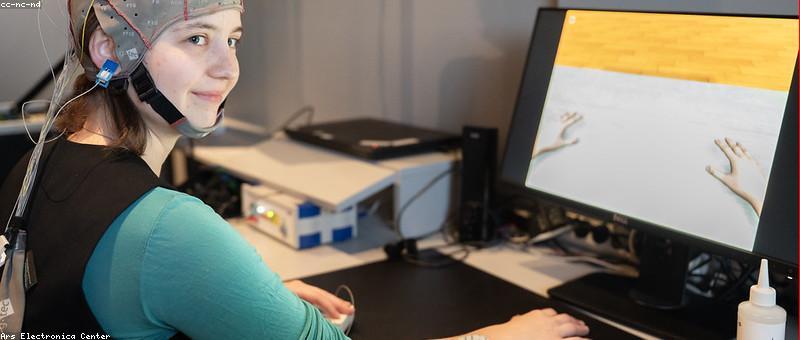
The notion of directly linking the human mind to machines has captivated scientists and science fiction authors for decades. As early as the 1970s, pioneering researchers like Jacques Vidal were experimenting with electroencephalography (EEG) to translate brain signals into digital commands. By the 1990s, the first rudimentary BCIs started appearing in clinical settings, allowing paralyzed patients to control simple computer interfaces using only their thoughts.
In the 2000s, rapid advancements in neuroscience, computing power, and materials science propelled the field forward. Invasive BCIs using surgically implanted electrodes offered greater precision and bandwidth, enabling users to control robotic limbs or even type words on a screen. Non-invasive EEG-based systems became more affordable and user-friendly, finding applications in gaming, assistive technology, and "mind-controlled" consumer devices.




The Brave New World of "Mindware"
While BCIs hold immense potential to improve quality of life and expand human capabilities, their widespread adoption also poses a host of ethical risks. One of the most controversial issues is the prospect of "enhancement" - using BCIs not just to restore function, but to augment natural human abilities like memory, attention, or intelligence.
Some ethicists worry that cognitive enhancements could exacerbate social inequalities, creating a "cognitive elite" with unfair advantages. There are also concerns about the safety and long-term effects of directly interfacing technology with the brain, which remains one of the least understood organs in the human body.
"The prospect of 'superhuman' capabilities made possible by BCIs is both thrilling and terrifying. We must think very carefully about how to responsibly develop and deploy this transformative technology." - Dr. Amara Angelica, Neuroethics Professor, University of Oxford

Hacking the Mind
As BCIs become more sophisticated, there are growing fears about their potential for malicious use. Hackers could potentially infiltrate a person's neural interface to read their thoughts, manipulate their behavior, or even take control of their actions. This raises urgent questions about data security, privacy, and personal autonomy.
Some experts believe that as BCIs proliferate, they could become a prime target for cyberattacks, electronic warfare, and even "brain-jacking" by bad actors. Protecting people's mental privacy and preserving their fundamental right to self-determination will be critical challenges in the BCI era.
Towards a Future With "Mindware"
Despite the ethical minefield, the potential upsides of BCIs are too compelling to ignore. Restored mobility, enhanced communication, and the possibility of reversing debilitating neurological conditions could dramatically improve the lives of millions. And in the longer term, the prospect of merging human intelligence with artificial intelligence through BCIs has captivated futurists and transhumanists.
As with any disruptive technology, the path forward will require careful navigation. Policymakers, ethicists, scientists, and the public must work together to develop robust governance frameworks that maximize the benefits of BCIs while mitigating the risks. Only then can we usher in a future where our minds and machines are truly integrated - a future that is as exciting as it is perilous.
Comments