The Economics Of Handmade Goods
Everything you never knew about the economics of handmade goods, from its obscure origins to the surprising ways it shapes the world today.
At a Glance
- Subject: The Economics Of Handmade Goods
- Category: Economics, Craftsmanship, Consumer Trends
The Secret History of Handmade Goods
The story of handmade goods stretches back further than you might think. While the modern "makers movement" and rise of artisanal crafts might seem like a recent phenomenon, the roots of the handmade economy can be traced all the way back to the Middle Ages. In the 12th century, skilled craftspeople in Europe organized into guilds to protect their trades and set standards for quality. These early artisans were not just creative hobbyists, but highly trained professionals whose work was essential to the functioning of society.
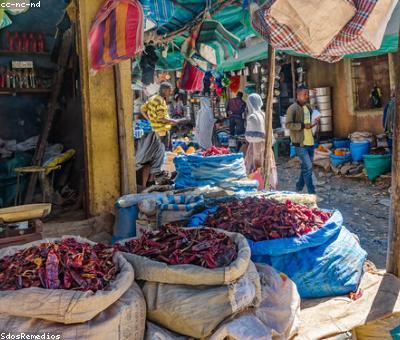
Over the centuries, the mass-production of goods in factories slowly eroded this handmade economy. But the last 50 years have seen a remarkable resurgence of interest in artisanal, handcrafted products. From the explosion of independent makers on Etsy to the rise of farmers markets and specialty food shops, the 21st century consumer craves the authenticity and craftsmanship that only comes from human hands.
The Economics of Handmade Goods
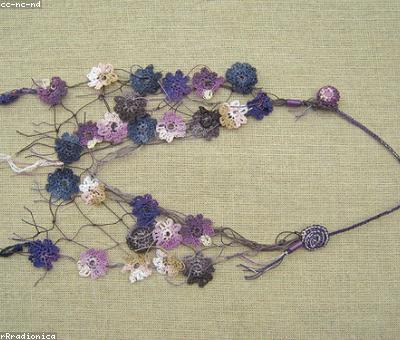
So what exactly drives the economics of this handmade goods economy? Unlike mass-produced items, handmade products are inherently limited in supply and variable in quality. Each piece is unique, with its own quirks and imperfections that give it character. This scarcity and variability means that handmade goods can command a significant price premium over their machine-made counterparts.
"A handmade ceramic mug might cost $30, while an identical one from a big-box store is $5. That's not just because of the materials - it's the labor and the human touch that people are paying for."
But the higher prices of handmade goods aren't just about profit margins for the makers. There are significant costs involved in producing each item by hand, from the time and skill required to the small-batch nature of the manufacturing process. Makers must also shoulder the burden of sourcing raw materials, renting studio space, and marketing their wares.
Perhaps most importantly, the handmade economy is driven by a growing consumer demand for authenticity, craftsmanship, and a connection to the human creative process. Customers are increasingly willing to pay more for products that tell a story and reflect the unique vision of the maker. This thirst for the "human touch" has transformed industries from specialty coffee to high-end furniture.
The Rise of the Maker Movement
At the heart of the handmade economy is the "maker movement" - a decentralized, grassroots community of independent artisans, crafters, and small-batch producers. Empowered by the internet and the democratization of manufacturing tools, these modern-day makers are reshaping how we think about commerce and creativity.
Platforms like Etsy have made it easier than ever for individual makers to reach a global customer base and turn their passions into profitable small businesses. Meanwhile, the rise of fab labs and makerspaces has provided affordable access to advanced manufacturing equipment, from 3D printers to laser cutters.
This explosion of entrepreneurial makers has had a profound impact on the broader economy. Small artisanal producers are not just meeting consumer demand for unique, high-quality goods - they are also revitalizing local communities, creating jobs, and modeling a more sustainable, human-centric approach to business.
The Future of Handmade Goods
As the maker movement continues to grow, the economic landscape for handmade goods is poised for even greater transformation. Emerging technologies like 3D printing are democratizing manufacturing even further, allowing makers to prototype and produce goods with less overhead. Meanwhile, shifting consumer values around sustainability, local economies, and the importance of craftsmanship are driving even more demand for handmade products.
While mass manufacturing will always play a role, the future may belong to a new generation of makers who blend high-tech tools with the age-old traditions of human artistry. As the world becomes increasingly automated and impersonal, the authenticity and soul of handmade goods will continue to resonate - and shape the economic landscape in fascinating ways.
Comments