The Digital Divide And Global Inequality
The deeper you look into the digital divide and global inequality, the stranger and more fascinating it becomes.
At a Glance
- Subject: The Digital Divide And Global Inequality
- Category: Technology, Economics, Global Issues
Accessing the Digital Divide
At its most basic, the digital divide refers to the gap between those with access to modern information and communications technology, and those without. But this simple definition belies the profound social, economic, and political implications of this complex global phenomenon.
The digital divide is not just about who has the latest smartphone or fastest internet. It's about access to education, economic opportunities, healthcare, and civic engagement in the 21st century. Those on the wrong side of the divide face mounting disadvantages that can span generations.


The Geography of Digital Inequality
The digital divide is not evenly distributed across the globe. Stark contrasts exist not only between wealthy nations and the developing world, but even within individual countries.
In sub-Saharan Africa, for example, only 28% of the population is online. In Europe, that figure jumps to over 80%. And within the United States, rural communities lag far behind urban centers in broadband access and adoption.
These geographic disparities are driven by a complex web of factors, including infrastructure costs, regulatory environments, income levels, and cultural attitudes toward technology. Solving the digital divide will require tailored, local solutions – not a one-size-fits-all approach.
"Bridging the digital divide is not just about providing hardware and software. It's about empowering communities to take ownership of their digital futures." — Fatima Zahra, Director of Digital Inclusion, United Nations Development Programme
The Economic Impacts
The consequences of the digital divide stretch far beyond technology access. Study after study has shown that being offline has severe impacts on educational attainment, employment prospects, and overall economic mobility.
In the United States, for instance, households without broadband internet earn 40% less on average than their connected counterparts. And in developing nations, each 10% increase in internet penetration can yield up to a 1.2% boost in GDP per capita.
The economic ramifications of the digital divide are especially dire for marginalized groups. Women, racial minorities, the elderly, and the poor face compounded barriers to accessing digital tools and training. This intersectionality of digital inequality threatens to calcify existing social hierarchies.
A New Frontier of Human Rights
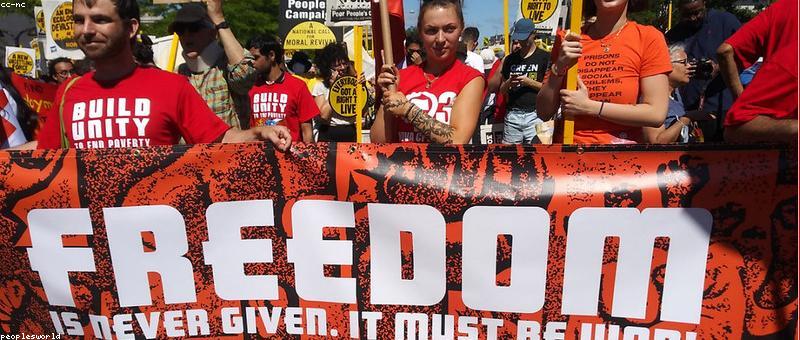
In an era where digital literacy is essential for full participation in society, access to the internet is increasingly viewed as a fundamental human right. The United Nations has declared that denying people online access constitutes a violation of free expression and the right to information.
Several countries, including Finland, Estonia, and Costa Rica, have even enshrined internet access as a legal entitlement for their citizens. And advocacy groups like The Internet Society are pushing for a global digital bill of rights to enshrine connectivity as a universal human right.


Bridging the Divide
Bridging the digital divide will require a multi-pronged approach combining infrastructure investment, policy reform, and grassroots empowerment. Some promising initiatives include:
- Community-owned broadband: Locally-run internet cooperatives that provide affordable, community-driven connectivity.
- Digital skills training: Programs that teach digital literacy and job-ready tech skills, especially targeting underserved populations.
- Public internet access: Libraries, community centers, and other public spaces offering free or low-cost internet access.
- Innovative financing: Microloan programs, public-private partnerships, and impact investment models to fund connectivity infrastructure.
Ultimately, overcoming the digital divide will be crucial not just for technological progress, but for advancing social justice and economic equity worldwide. As the world becomes ever more digital, ensuring universal access is nothing less than a moral imperative.
Comments