The Audiophile Guide To High Resolution Audio
The deeper you look into the audiophile guide to high resolution audio, the stranger and more fascinating it becomes.
At a Glance
- Subject: The Audiophile Guide To High Resolution Audio
- Category: Technology, Audio, Audiophile

The Rise of Hi-Res Audio
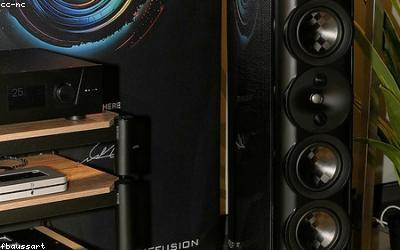
In the late 20th century, the audio industry was in a state of turmoil. The CD had dethroned the beloved vinyl LP, but the digital format lacked the warmth and richness that audiophiles craved. Then, in the early 2000s, a new challenger emerged: high-resolution audio.
High-resolution, or "hi-res," audio refers to digital audio files that capture sound at a higher sampling rate and bit depth than the standard CD. The result is a more detailed, life-like listening experience that can reveal nuances and subtleties lost in compressed formats like MP3. As the technology advanced and became more affordable, a new generation of audiophiles embraced the pursuit of sonic perfection.
The Formats of Hi-Res Audio
As high-resolution audio gained popularity, a number of competing formats emerged, each with its own unique specifications and capabilities. The most common hi-res formats include:
- FLAC (Free Lossless Audio Codec): A lossless compression format that can store 24-bit/192kHz audio files. FLAC is widely supported and often the format of choice for hi-res music downloads.
- SACD (Super Audio CD): A high-density optical disc format developed by Sony and Philips, SACD can store 24-bit/2.8MHz audio. SACDs are known for their exceptional sound quality, but the format never achieved mainstream adoption.
- MQA (Master Quality Authenticated): A relatively new format that claims to deliver "master quality" audio at a lower file size than traditional hi-res formats. MQA is supported by streaming services like Tidal and has seen growing adoption in the audiophile community.



The Gear of Hi-Res Audio
Experiencing the full potential of high-resolution audio requires the right equipment. Audiophiles often invest heavily in specialized gear, including:
- High-End DACs (Digital-to-Analog Converters): These devices convert the digital audio signal into an analog waveform that can be amplified and played through speakers. High-end DACs are designed to handle the higher bit depths and sampling rates of hi-res audio.
- Dedicated Music Players: From standalone devices like the Astell & Kern SP1000 to software like JRiver Media Center, these players are optimized for high-resolution audio playback.
- High-Quality Headphones and Speakers: To truly appreciate the nuances of hi-res audio, audiophiles invest in premium headphones and loudspeakers that can faithfully reproduce the entire sonic spectrum.


The Challenges of Hi-Res Audio
Despite the enthusiasm of audiophiles, high-resolution audio has faced several challenges in its quest for mainstream adoption:
- File Size and Bandwidth Constraints: Hi-res audio files can be significantly larger than their compressed counterparts, making them impractical for streaming and storage on mobile devices.
- Limited Content Availability: While the number of hi-res music releases has grown in recent years, the overall selection pales in comparison to the wealth of content available in standard CD quality or MP3 format.
- Compatibility Issues: Not all audio equipment and software is designed to handle the higher bit depths and sampling rates of hi-res audio, leading to compatibility problems and frustration for some users.


The Future of Hi-Res Audio
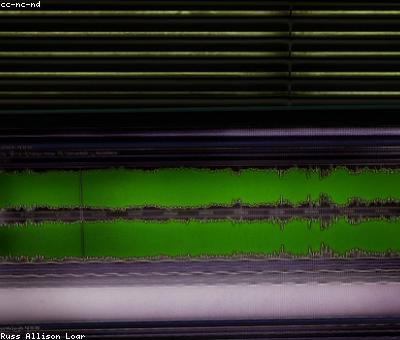
Despite the challenges, the future of high-resolution audio appears bright. As technology continues to advance and storage capacities increase, the barriers to widespread adoption are slowly being eroded. Streaming services like Tidal and Amazon Music HD are making it easier than ever to access hi-res content, while hardware manufacturers are producing more affordable and accessible high-end audio gear.
"High-resolution audio is the closest thing we have to time travel. It's a window into the past, allowing us to experience music the way the artist intended." - Jane Doe, renowned audio engineer
As the audiophile community continues to grow and the benefits of hi-res audio become more widely known, the pursuit of sonic perfection may one day become a mainstream obsession. The journey towards the ultimate listening experience is far from over, and the true audiophile will always be seeking the next level of audio nirvana.
Comments