The Architect Who Built The Future Walter Gropius And The Bauhaus
Everything you never knew about the architect who built the future walter gropius and the bauhaus, from its obscure origins to the surprising ways it shapes the world today.
At a Glance
- Subject: The Architect Who Built The Future Walter Gropius And The Bauhaus
- Category: Architecture, Design, History
In the midst of the tumultuous aftermath of World War I, a young German architect named Walter Gropius embarked on a mission to revolutionize the way we think about design and the built environment. His visionary ideas would go on to shape the course of 20th-century architecture and transform the way we live, work, and interact with the spaces around us.

From Weimar to Dessau: The Bauhaus Takes Flight
It all began in 1919, when Gropius founded the Staatliches Bauhaus in the sleepy town of Weimar, Germany. Dissatisfied with the prevailing academic approach to art and design, Gropius envisioned an institution that would unite all creative disciplines under a single, integrated philosophy. Drawing inspiration from the Arts and Crafts movement, Gropius sought to break down the barriers between fine art, industrial design, and architecture, empowering students to explore the intersections between these fields.
Under Gropius' leadership, the Bauhaus quickly gained a reputation for its innovative approach to design education. The school's curriculum blended theory and practice, with students immersed in a rigorous program of workshops, lectures, and collaborative projects. From typography to furniture design, the Bauhaus curriculum emphasized the importance of functionality, simplicity, and a deep understanding of materials and techniques.


The Bauhaus Style: Shaping the Modern World
As the Bauhaus gained prominence, Gropius and his faculty began to codify a distinctive aesthetic that would come to be known as the "Bauhaus style." Characterized by clean lines, geometric forms, and a focus on mass production, this design language was a radical departure from the ornate, historicist styles that had dominated the 19th century.
- Form follows function: The shape of an object should be determined by its purpose.
- Simplicity and minimalism: Designs should be stripped of unnecessary ornamentation.
- Standardization and mass production: Designs should be easily reproducible and affordable.
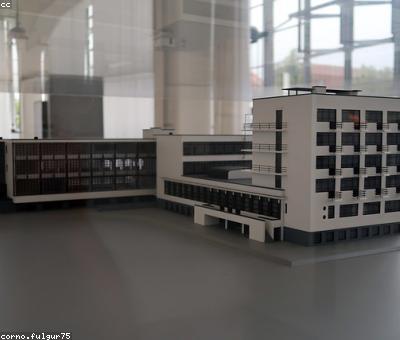
The Bauhaus style quickly spread beyond the school's walls, influencing everything from architecture and furniture to typography and product design. Gropius and his protégés designed iconic buildings like the Bauhaus Building in Dessau and the Fagus Factory in Alfeld, which showcased the school's principles of functionality, simplicity, and integration of the arts.




The Bauhaus Legacy: A Lasting Influence
The Bauhaus' influence extended far beyond the confines of its physical campuses. As the school's graduates dispersed across the globe, they carried the Bauhaus philosophy with them, transforming the design landscape in countries as diverse as the United States, Israel, and Brazil.
"The Bauhaus was not just a school; it was a way of thinking, a mindset that has left an indelible mark on the world." - Architect and Bauhaus scholar, Mies van der Rohe
Today, the Bauhaus legacy can be seen in the sleek, functional design of our smartphones, the open-plan layouts of our homes and offices, and the minimalist aesthetic that pervades contemporary architecture and product design. The school's impact on the way we think about the built environment is undeniable, and its influence continues to shape the course of design and innovation in the 21st century.



The Bauhaus Diaspora: A Global Reach
When the Bauhaus was forced to close its doors in 1933 under pressure from the Nazi regime, its faculty and students were scattered across the globe. This "Bauhaus diaspora" played a crucial role in spreading the school's ideas and aesthetics around the world, ensuring that the Bauhaus vision would live on long after its physical demise.
- Walter Gropius: Established a renowned architecture practice in the United States, designing iconic buildings like the Harvard Graduate Center.
- László Moholy-Nagy: Founded the New Bauhaus school in Chicago, which would later become the Institute of Design.
- Marcel Breuer: Became a leading figure in American modernist architecture, known for his innovative furniture and building designs.
From the sleek, minimalist skyscrapers of New York City to the colorful, geometric buildings of Tel Aviv's "White City," the Bauhaus diaspora left an indelible mark on the built environment around the world. The school's principles of functionalism, simplicity, and the integration of the arts continue to inspire designers and architects to this day, ensuring that the Bauhaus vision remains a driving force in the shaping of our modern world.
Comments