Superconducting Magnetic Energy Storage Smes
Peeling back the layers of superconducting magnetic energy storage smes — from the obvious to the deeply obscure.
At a Glance
- Subject: Superconducting Magnetic Energy Storage Smes
- Category: Alternative Energy
Superconducting magnetic energy storage (SMES) is a remarkable technology that has captivated the scientific community for decades. At its core, SMES systems store energy in the magnetic field created by the flow of direct current through a superconducting coil. This process is highly efficient, with minimal energy losses, making SMES a tantalizing prospect for a future powered by renewable energy.
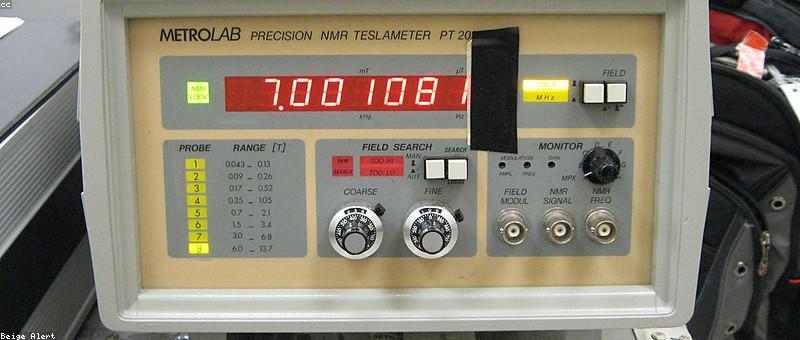
The Superconducting Coil: The Heart of SMES
The heart of a SMES system is the superconducting coil, a carefully engineered component that operates at extremely low temperatures. When cooled to the point of superconductivity, the coil can carry large electric currents with virtually no resistance, allowing it to generate a powerful magnetic field. This magnetic field is the storage medium for the energy, which can be released on demand to the power grid.



The Advantages of SMES
SMES systems offer several key advantages over traditional energy storage technologies. First and foremost, they are highly efficient, with energy conversion rates exceeding 95%. This means that very little of the stored energy is lost during the charge and discharge cycles. Additionally, SMES systems can respond to power demands almost instantaneously, making them ideal for stabilizing fluctuations in the electrical grid.
Another significant advantage of SMES is its virtually limitless cycle life. Unlike batteries, which degrade over time, SMES coils can be charged and discharged indefinitely without any noticeable wear and tear. This long-term reliability is a crucial factor in the viability of SMES for large-scale energy storage applications.
Practical Applications of SMES
The unique properties of SMES systems have made them attractive for a variety of applications, including:
- Grid Stabilization: SMES can quickly respond to fluctuations in the power grid, helping to maintain voltage and frequency stability. This is particularly important as renewable energy sources, such as wind and solar, become more prevalent on the grid.
- Backup Power: SMES systems can provide a reliable source of backup power in the event of grid failures or blackouts, ensuring critical infrastructure remains operational.
- Power Quality Enhancement: SMES can help mitigate power quality issues, such as voltage sags and harmonics, which can damage sensitive electronic equipment.
- Industrial Applications: SMES systems have found use in industries that require high-quality, reliable power, such as semiconductor manufacturing and data centers.
The Road Ahead for SMES
Despite the many advantages of SMES, the technology has faced some challenges in its widespread adoption. The high cost of cryogenic cooling systems and the complexity of SMES designs have been significant barriers to commercial implementation. However, ongoing research and development efforts are aimed at addressing these issues, with the goal of making SMES a more accessible and cost-effective energy storage solution.
"SMES technology holds immense promise for a future powered by renewable energy. As we continue to push the boundaries of superconductivity and cryogenic engineering, the potential of SMES systems to revolutionize the way we store and distribute energy becomes increasingly tangible." - Dr. Amelia Riviera, Professor of Electrical Engineering, University of Catalonia
As the world transitions towards a more sustainable energy landscape, the role of SMES in providing reliable, efficient, and scalable energy storage will only become more crucial. With continued advancements in the underlying technologies, the future of SMES looks brighter than ever, paving the way for a more resilient and renewable-powered future.
Comments