River Delta
How river delta quietly became one of the most fascinating subjects you've never properly explored.
At a Glance
- Subject: River Delta
- Category: Geographical Formations
- Formation Process: Sediment deposition at river mouths
- Global Distribution: Around the world, with notable examples like the Nile, Mississippi, and Ganges
- Ecological Significance: Biodiversity hotspots and nurseries for marine life
- Human Impact: Urbanization, agriculture, and climate change threaten delta ecosystems

The Birth of a Landform: How Deltas Are Born
Few natural phenomena are as spectacular — and as misunderstood — as river deltas. These sprawling landforms, often mistaken for simple deposits of mud and sand, are actually the result of a complex ballet between water, sediment, and ecology that spans thousands of years. Imagine a mighty river, flowing tirelessly into the ocean, its waters slowing and depositing sediment in a fan-shaped pattern — this is the essence of delta formation.
But here’s the surprising part: deltas are not just passive deposits. They are dynamic, living systems. Over centuries, they grow, shift, and sometimes even collapse under the weight of human activity or climate change. The most famous, like the Nile Delta, have been evolving for over 6,000 years, shaping civilizations and ecosystems along the way.
The Hidden Diversity of Delta Ecosystems
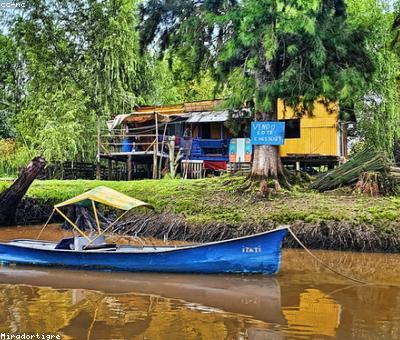
Step into a delta, and you'll find yourself in a world teeming with life. These regions serve as crucial nurseries for fish such as the Atlantic croaker and the Chinese white fish. Migratory birds — like the Eurasian spoonbill and the black-necked stork — depend on delta wetlands for breeding grounds. In fact, some deltas, including the Mekong Delta, harbor more than 300 bird species, many of which are endangered.
"A delta is not just a place where a river meets the sea; it’s a living mosaic of habitats that sustain global biodiversity."

The Human Touch: Civilization’s Delta Dependence
Throughout history, human civilizations have been intimately tied to delta regions. The fertile soils, abundant water, and access to trade routes made deltas hotspots for early agriculture and urbanization. The ancient Egyptians relied heavily on the Nile Delta, not just for agriculture but also as a hub of cultural and political power.
Fast forward to today, cities like New Orleans, Ho Chi Minh City, and the Calcutta metropolitan area sit atop deltas, their economies deeply intertwined with these wetlands. But that dependence comes with peril — urban sprawl and industrial pollution threaten to wipe out these fragile ecosystems.
The Climate Crisis and the Fate of Deltas
If you think of deltas as static, think again. Climate change is rewriting their destiny faster than we can understand. Rising sea levels threaten to drown entire delta regions, while increased storm intensity erodes coasts with relentless fury. The Venice Delta faces similar threats, but perhaps nowhere is the risk more urgent than in the Mekong Delta.
In 2019, scientists warned that the Mekong Delta could lose up to 80% of its land by 2050 if current trends continue. Saltwater intrusion, caused by rising seas and dam construction upstream, jeopardizes freshwater supplies, crippling agriculture and displacing millions of residents.
"The delta is a delicate balance — once tipped, the recovery is often impossible without radical intervention."

Reclaiming and Restoring: The New Frontiers of Delta Conservation
Amidst this crisis, innovative solutions emerge. From Vietnam’s massive dam management projects to the Netherlands' pioneering Delta Works, engineers and ecologists are working together to stabilize these fragile regions. Nature-based solutions, like restoring mangrove forests, have proven effective at both defending against storm surges and rebuilding biodiversity.
One extraordinary example is the Ganges-Brahmaputra-Meghna delta, where community-led mangrove restoration projects have reversed erosion in some villages, creating a buffer that saves lives and livelihoods.
Looking Ahead: The Future of the World's Deltas
As sea levels continue their inexorable rise, the fate of deltas hangs in the balance. But hope persists. Advances in climate science, ecological engineering, and international cooperation are giving delta communities a fighting chance. Yet, the clock is ticking, and the question remains: will we act fast enough to preserve these vital landforms — and the myriad life they support?
The story of river deltas is still being written. Each new scientific discovery reveals just how much we still have to learn about these intricate, vital systems — and how desperate our need to protect them truly is.
Comments