Richard Nixon
richard nixon sits at the crossroads of history, science, and human curiosity. Here's what makes it extraordinary.
At a Glance
- Subject: Richard Nixon
- Category: Politics, History
Richard Nixon's life and presidency stand as one of the most fascinating and complex chapters in American history. Born in 1913 in Yorba Linda, California, Nixon rose from humble beginnings to become one of the most powerful and controversial figures of the 20th century.


A Meteoric Rise to Power
After serving in the Navy during World War II, Nixon quickly ascended the political ladder, winning a seat in the House of Representatives in 1946. His early career was marked by his aggressive pursuit of communists in government, including his role in the Alger Hiss case, which brought him national prominence. In 1952, he was elected as Dwight D. Eisenhower's vice president, where he honed his skills in foreign policy and domestic affairs.

The Presidency and Watergate
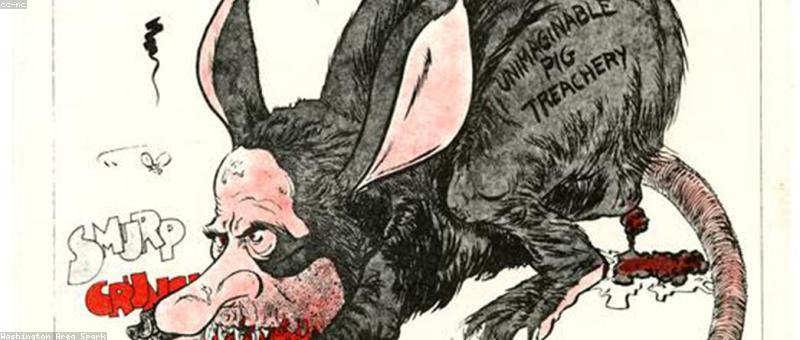
Nixon's political ambitions finally came to fruition in 1968, when he was elected as the 37th President of the United States. His presidency was marked by significant achievements, including the opening of relations with China and the implementation of the "Nixon Doctrine" in foreign policy. However, his legacy was irrevocably tarnished by the Watergate scandal, in which his administration was embroiled in a cover-up of a break-in at the Democratic National Committee headquarters.
"I am not a crook." - Richard Nixon, in response to the Watergate allegations
The Aftermath of Watergate
The Watergate scandal ultimately led to Nixon's resignation in 1974, the only time a U.S. president has ever left office in this manner. In the aftermath, Nixon struggled to rehabilitate his image and legacy, writing numerous books and memoirs in an attempt to explain his actions and defend his record. Despite his efforts, the Watergate scandal remained a defining chapter of his life and a stain on the presidency.
Legacy and Reputation
Nixon's legacy remains a subject of intense debate and scholarly analysis. While his achievements in foreign policy and domestic affairs are undeniable, the Watergate scandal has cast a long shadow over his time in office. Some historians argue that Nixon's political skills and visionary thinking were overshadowed by his own hubris and lack of ethical restraint. Others contend that he was a victim of a political climate that became increasingly polarized and partisan.
Regardless of one's perspective, Richard Nixon's life and presidency continue to captivate the public imagination and inspire ongoing scholarly inquiry. His story is a complex and multifaceted one, with enduring lessons about the nature of power, the fragility of democracy, and the consequences of unchecked ambition.
Comments