Quantum Coherence In Photosynthesis
The real story of quantum coherence in photosynthesis is far weirder, older, and more consequential than the version most people know.
At a Glance
- Subject: Quantum Coherence In Photosynthesis
- Category: Quantum Physics, Biology, Photosynthesis
The notion that quantum effects could play a role in the remarkable efficiency of photosynthesis has fascinated scientists for decades. This idea, first proposed in the 1940s, seemed almost too strange to be true - how could the delicate, seemingly classical world of biology be influenced by the bizarre quantum realm? Yet a growing body of evidence has revealed that quantum coherence, a quantum mechanical phenomenon where particles exhibit coordinated, wavelike behavior, does indeed occur within the heart of the photosynthetic process.

The Discovery of Quantum Coherence in Photosynthesis
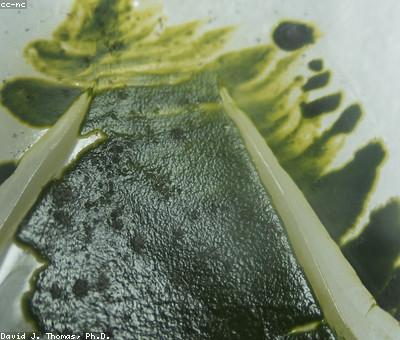
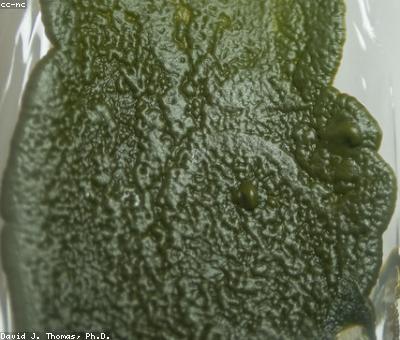
In 2007, a team of researchers at the University of California, Berkeley made a pivotal discovery. Using advanced spectroscopy techniques, they were able to observe coherent quantum mechanical behavior in the energy transfer process of photosynthetic green sulfur bacteria. This was a groundbreaking finding, as it demonstrated that quantum effects were not just limited to the subatomic, laboratory realm, but were actively harnessed by living organisms to enhance their biological functions.
The researchers found that when photons of light struck the light-harvesting antenna complexes of the bacteria, the resulting excitation energy did not simply hop from one pigment molecule to the next in a classical fashion. Instead, the energy existed in a superposition of states, spreading out and traversing multiple molecular pathways simultaneously in a wavelike manner before converging on the reaction center. This quantum coherence allowed the energy to explore a greater area and find the most efficient route to the reaction center, maximizing the quantum yield of the photosynthetic process.



Evolutionary Advantages of Quantum Coherence
The ability of photosynthetic organisms to harness quantum coherence is believed to be the result of millions of years of evolutionary refinement. By exploiting the unique properties of quantum mechanics, these organisms were able to develop light-harvesting systems of unparalleled efficiency.
Quantum coherence allows the excitation energy to explore multiple pathways simultaneously, increasing the probability of finding the optimal route to the reaction center. This is particularly advantageous in low-light environments, where every photon of sunlight needs to be captured and utilized. Researchers estimate that quantum coherence can improve the overall efficiency of photosynthesis by as much as 30%.
"Photosynthesis is one of the most important processes on Earth, responsible for producing the oxygen we breathe and the food that sustains nearly all life. The fact that it may rely on quantum mechanics is truly astounding." - Dr. Emilie Hoi, Professor of Biophysics, University of Cambridge


Potential Applications of Quantum Photosynthesis
The discovery of quantum coherence in photosynthesis has opened up new avenues for scientific research and potential technological applications. By understanding and emulating the strategies used by nature, scientists hope to develop more efficient solar energy harvesting systems, better photovoltaic cells, and even novel quantum computing architectures.
One promising area of research is the development of artificial photosynthetic systems, or "artificial leaves," that can mimic the light-harvesting and energy transfer processes observed in natural photosynthesis. These systems could potentially achieve higher solar-to-electric conversion efficiencies than current solar cell technologies. Additionally, the quantum coherence observed in photosynthesis may provide insights into the design of quantum-based computational and communication devices.

The Ongoing Mysteries of Quantum Photosynthesis
Despite the significant progress made in understanding quantum coherence in photosynthesis, many unanswered questions remain. Researchers continue to investigate the precise mechanisms by which these quantum phenomena are sustained and exploited by living organisms, as well as the evolutionary pathways that led to their development.
Additionally, there is growing interest in exploring the potential role of quantum coherence in other biological processes, such as olfaction, avian navigation, and even human cognition. The discovery that nature has mastered the use of quantum mechanics to enhance its functions has opened up a new frontier of scientific inquiry, with the promise of both fundamental breakthroughs and practical applications.
Comments