Peyote Cactus History
From forgotten origins to modern relevance — the full, unfiltered story of peyote cactus history.
At a Glance
- Subject: Peyote Cactus History
- Category: Ethnopharmacology, Botany, History
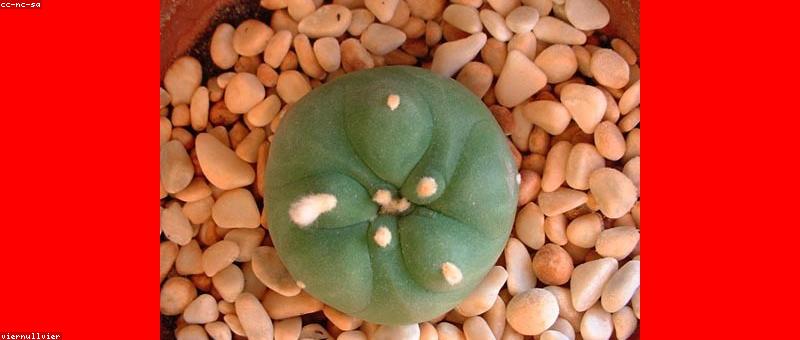
Shrouded in Mystery: The Ancient Origins of Peyote
The peyote cactus has long been enveloped in an aura of mystery and mysticism, its history stretching back thousands of years into the shadowy realms of pre-Columbian Mesoamerican civilizations. Tracing the origins of this remarkable plant is a journey through layers of cultural tradition, spiritual ritual, and botanical evolution.
Archaeological evidence suggests that peyote has been used by indigenous tribes in Mexico and the southwestern United States for millennia. The earliest known remnants of peyote buttons, dried and preserved, have been dated back to around 3780-3660 BCE, discovered in the Shumla Cave complex in Texas. These ancient artifacts illuminate a crucial chapter in the story of humankind's relationship with this potent hallucinogenic plant.



The Spread of Peyote Culture
As Mesoamerican civilizations flourished, the use of peyote spread northward, crossing borders and taking root in diverse indigenous communities. The Native American Church, founded in 1918, became a key vehicle for the dissemination and preservation of peyote rituals and beliefs across North America.
In the late 19th and early 20th centuries, the US government enacted a series of laws and policies aimed at suppressing the use of peyote among Native American tribes. This heavy-handed approach, driven by a combination of religious intolerance and cultural imperialism, failed to eradicate the plant's ritual significance. Instead, it forced peyote practices underground, where they continued to thrive in clandestine ceremonies and private gatherings.
"Peyote is our sacrament, our communion with the Great Spirit. To deny us the right to use peyote is to deny us the right to worship." - Wallace Black Elk, Oglala Lakota spiritual leader
The Psychedelic Renaissance and Peyote's Resurgence
In the latter half of the 20th century, the psychedelic revolution brought peyote back into the mainstream spotlight. As the use of LSD and other hallucinogens gained traction among counterculture movements, peyote experienced a resurgence of interest and exploration.
The 1960s saw a wave of peyote-fueled spiritual and artistic experimentation, with figures like Aldous Huxley and Carlos Castaneda helping to popularize the plant's visionary properties. This newfound attention, however, also brought increased legal scrutiny and crackdowns, leading to the criminalization of peyote in many jurisdictions.
Peyote in the Modern World
Today, the peyote cactus occupies a complex and often controversial position in the global landscape. While it remains an integral part of sacred rituals and healing practices for many indigenous communities, its psychoactive properties have also drawn the interest of recreational users and the scrutiny of law enforcement.
The legal status of peyote varies widely around the world, with some countries maintaining strict prohibitions and others granting exemptions for traditional and religious use. This regulatory patchwork has led to ongoing debates and challenges, as advocates fight to protect the plant's cultural and spiritual significance in the face of political and social pressures.
Despite these obstacles, the peyote cactus continues to captivate the human imagination, serving as a bridge between the realms of the material and the mystical. Its story, woven through the tapestry of human history, remains a testament to the enduring power of plant-based consciousness and the resilience of ancient traditions in the modern era.
Comments