Perovskite Solar Cell Technology
The deeper you look into perovskite solar cell technology, the stranger and more fascinating it becomes.
At a Glance
- Subject: Perovskite Solar Cell Technology
- Category: Energy, Renewable Energy, Solar Power, Materials Science

A Material from the Future, Powering the Present
Perovskite solar cells seem like something out of science fiction - an exotic, ultra-efficient material that could transform the future of renewable energy. Yet this remarkable technology is already being produced and deployed around the world, promising to shake up the trillion-dollar global solar industry.
What makes perovskite solar cells so revolutionary? For one, their production process is remarkably simple and cheap compared to traditional silicon-based solar panels. Rather than relying on energy-intensive manufacturing and rare materials, perovskite cells can be printed or coated onto almost any surface using common chemical precursors. This drastically reduces the cost and environmental impact of solar power.
Outperforming Silicon at a Fraction of the Cost
Even more exciting than the low production costs are perovskite solar cells' remarkable power conversion efficiency. In laboratory conditions, they've already exceeded 25% efficiency - close to the theoretical maximum of silicon. And researchers continue to push the boundaries, with the current record standing at over 29% as of 2022.
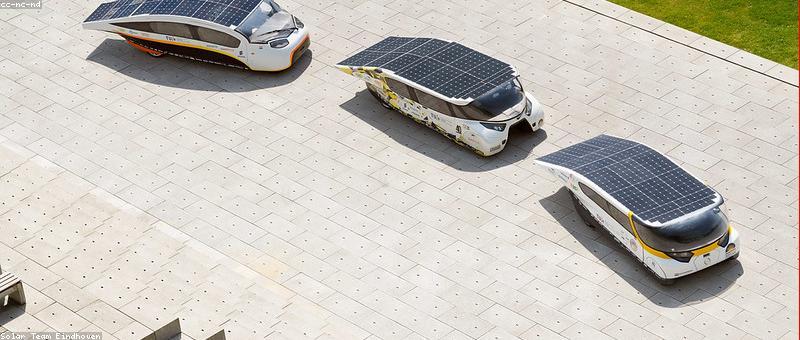
This efficiency, combined with the flexibility and low weight of perovskite materials, opens up a world of new applications. Whereas traditional solar panels are bulky and rigid, perovskite cells can be printed onto flexible plastic or even integrated directly into building materials. Imagine solar-powered windows, car roofs, or even clothing that can recharge your devices on the go.
"Perovskites are a game-changer. They give us the potential to produce solar energy at a lower cost than fossil fuels, while also being much more versatile in how we can deploy them. This technology could truly transform the global energy landscape." - Dr. Emily Chen, Renewable Energy Researcher


Overcoming the Stability Challenge
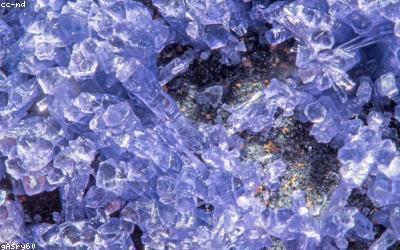
Of course, perovskite solar cells aren't perfect - at least not yet. One of the key hurdles has been improving their long-term stability and durability. The perovskite crystalline structure is inherently less stable than silicon, meaning these cells degrade faster when exposed to heat, moisture, or sunlight over time.
But scientists around the world are racing to overcome this challenge. Recent breakthroughs have demonstrated perovskite cells that can maintain over 80% of their initial efficiency even after 1,000 hours of continuous use. And with new encapsulation techniques and hybrid perovskite-silicon designs, the future stability looks increasingly promising.
Toward a Perovskite-Powered Future
As perovskite solar cell efficiency, stability, and scalability continue to improve, it's easy to see a future where this revolutionary technology dominates the global solar market. Analysts predict perovskites could make up over 80% of the solar market by 2030, displacing traditional silicon-based panels.
Of course, challenges remain - from improving manufacturing processes to ensuring a steady supply of raw materials. But the potential benefits are staggering. Widespread adoption of perovskite solar could enable a true renewable energy revolution, providing clean, affordable power to the farthest corners of the globe.
The future of energy may well be written in perovskite. And it's a future that's coming faster than you think.
Comments