Nile River Importance
What connects nile river importance to ancient empires, modern technology, and everything in between? More than you'd expect.
At a Glance
- Subject: Nile River Importance
- Category: Geography, Hydrology, Ancient History, Modern Technology
For millennia, the mighty Nile has been the lifeblood of civilizations in Northeast Africa. But the river's importance extends far beyond its role in sustaining ancient empires. From powering modern technology to shaping the course of human history, the Nile's influence is woven into the very fabric of our world.

The Nile's Ancient Gifts
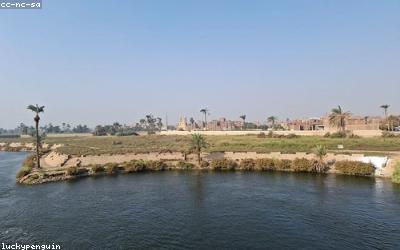
In the dawn of recorded history, the Nile River gave rise to some of the earliest and most advanced societies on Earth. The ancient Egyptians, Nubians, and Ethiopians thrived along the banks of the Nile, harnessing its reliable annual floods to cultivate bountiful harvests and build sprawling cities. The Nile's predictable inundation cycle, which brought nutrient-rich silt to the surrounding floodplains, allowed these civilizations to develop sophisticated agricultural practices and supported a level of urbanization unmatched anywhere else in the ancient world.
The Nile's influence extended beyond mere sustenance. The river served as a vital transportation corridor, facilitating the movement of goods, people, and ideas across the region. Ancient Egyptian cities like Thebes and Memphis flourished as major centers of trade, culture, and political power – all made possible by their strategic locations along the Nile. Monumental architectural achievements like the Pyramids of Giza and the temples of Karnak stand as testaments to the engineering prowess of these civilizations, feats that would have been impossible without the Nile's abundant resources.
A River of Geopolitical Importance
Even in modern times, the Nile River remains a key strategic resource, and its control has been the subject of longstanding geopolitical tensions. The 11 countries that share the Nile's watershed – including Egypt, Sudan, Ethiopia, and Uganda – have often clashed over water rights and the allocation of the river's resources. Disputes over the construction of dams and irrigation projects have threatened to escalate into outright conflict, as nations vie to secure their access to the Nile's waters.
The Nile's geopolitical significance extends beyond the African continent. As the world's longest river, the Nile has attracted the attention of global superpowers seeking to project their influence in the region. During the Cold War, both the United States and the Soviet Union vied for influence over Nile-adjacent nations, providing military and economic aid in exchange for political allegiance. Today, the involvement of external actors, such as China's investment in Ethiopian hydropower, continues to shape the complex web of power dynamics surrounding the Nile.
"Control of the Nile has long been a zero-sum game, with one country's gain seen as another's loss. This has made the river a flashpoint for regional tensions and a subject of intense diplomatic maneuvering." - Dr. Hani Sewilam, Director of the Nile Research Institute



The Nile's Role in Modern Technology
The Nile's importance extends beyond its historical and geopolitical significance. In recent decades, the river has become a vital source of renewable energy, powering the development of several large-scale hydroelectric projects across the basin. The Grand Ethiopian Renaissance Dam, for example, is set to become the largest hydroelectric power plant in Africa, with the potential to provide clean, affordable electricity to millions of people in the region.
But the Nile's technological significance goes beyond just hydropower. The river's vast watershed and complex hydrological systems have also made it a crucial subject of scientific research and environmental monitoring. Satellite-based observation of the Nile Basin has enabled researchers to better understand the river's response to climate change, track the movement of water resources, and develop more effective water management strategies.

Preserving the Nile's Future
As the Nile River continues to play a pivotal role in the lives of millions of people across Northeast Africa, there is a growing need to ensure its long-term sustainability. Climate change, population growth, and increasing water demands have put significant pressure on the river's resources, threatening the delicate balance of the Nile Basin ecosystem.
Efforts are underway to promote more sustainable management of the Nile's water resources, including the development of regional cooperation frameworks and the implementation of advanced water-monitoring technologies. However, these initiatives face significant political and economic challenges, as nations grapple with issues of sovereignty, resource allocation, and the complex legacies of colonial-era water treaties.
Ultimately, the future of the Nile River will depend on the ability of its riparian nations to transcend their differences and work together to protect this vital resource. As the lifeblood of ancient civilizations and a key driver of modern technological progress, the Nile's importance extends far beyond its immediate geographical boundaries. Safeguarding the Nile's future is not just a local concern, but a global imperative that will shape the course of human history for generations to come.
Comments