Nike Vaporfly
Peeling back the layers of nike vaporfly — from the obvious to the deeply obscure.
At a Glance
- Subject: Nike Vaporfly
- Category: Running Shoes, Technology, Sports Innovation
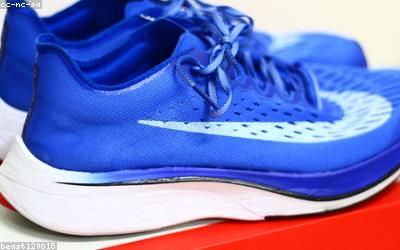
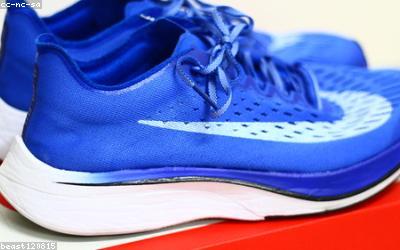
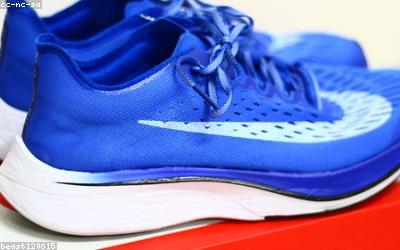
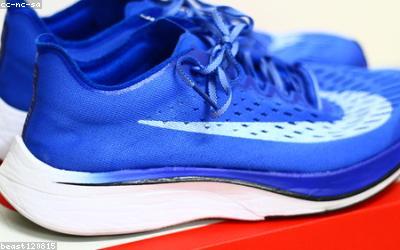
When the Nike Vaporfly was first released in 2017, the running world was flipped upside down. This unassuming shoe, with its distinctive curved sole and bright neon colors, promised a revolutionary leap in running performance. And the data didn't lie - elite athletes wearing the Vaporfly were smashing world records and winning major marathons at an unprecedented rate.
But the Vaporfly's success is about much more than just fancy materials and clever engineering. The story behind this shoe's development is a tale of scientific breakthroughs, industry intrigue, and the constant pursuit of human potential. From the cutting-edge foam technology that powers its unique ride, to the high-stakes battle between rival shoe brands, the Vaporfly has become an object of fascination and obsession for runners and sports fans alike.
The Shoe That Changed Running Forever
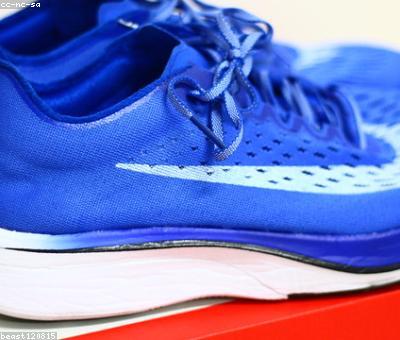
When the first Vaporfly prototype hit the streets in 2016, no one could have predicted the seismic impact it was about to have. The shoe's most distinctive feature was its thick, curved sole - a radical departure from the sleek, minimalist designs that had dominated the running world for years. But beneath the surface, the Vaporfly was packing some serious technological firepower.
In tests, runners wearing the Vaporfly used up to 4% less energy than in their normal shoes - a game-changing advantage that translated directly to faster times. Elite marathoners like Eliud Kipchoge immediately took notice, and within months the Vaporfly had become the must-have shoe for the world's top distance runners.
The Backlash and the Reckoning
But the Vaporfly's meteoric rise didn't come without controversy. As the shoe's performance advantages became impossible to ignore, rivals and governing bodies started to cry foul. Some argued that the Vaporfly's technological edge was so extreme that it amounted to "mechanical doping" - an unfair advantage that undermined the integrity of the sport.
"The Vaporfly is like having a spring-loaded platform strapped to your feet. It's the closest thing we've seen to actual technological doping." - Dr. Jordan Santos-Concejero, Exercise Physiology Researcher
World Athletics, the global governing body for track and field, was forced to scramble and establish new rules around shoe technology. The Vaporfly itself was ultimately allowed to remain legal, but the backlash had clearly struck a nerve.
The Great Shoe War
Behind the scenes, the Vaporfly's success had sparked a full-blown arms race among the major shoe brands. Determined not to be left behind, Nike's rivals like Adidas, Asics, and Saucony poured resources into developing their own high-tech, performance-boosting designs.
This fierce competition drove rapid innovation, with each brand trying to one-up the others. The result was a dizzying array of high-tech, hyper-specialized running shoes flooding the market - from Saucony's Endorphin Pro to Asics' Metaspeed Sky. And for the average runner, the sheer number of options became overwhelming.

The Science Behind the Hype
Beneath all the industry drama and competitive posturing, the Vaporfly's success was fundamentally rooted in the science of human biomechanics. The shoe's unique sole design and ZoomX foam worked in tandem to optimize the physics of running in ways that provided a tangible performance boost.
By returning a significant portion of the energy expended with each stride, the Vaporfly allowed runners to conserve precious calories and maintain a faster pace for longer. And its curved sole geometry helped to reduce the impact forces on the joints, reducing the risk of injury. It was this powerful combination of energetic efficiency and injury prevention that made the Vaporfly such a game-changer.


The Future of Running Shoes
As the Vaporfly and its competitors continue to push the boundaries of running shoe technology, the implications for the sport's future are profound. Some worry that the relentless pursuit of performance gains through engineering will undermine the purity and fairness of running competitions. But others see it as an exciting new frontier, where the limits of human potential are constantly being redefined.
One thing is certain: the Nike Vaporfly has forever changed the way we think about running shoes. What was once a simple tool has now become a highly sophisticated, technology-driven extension of the human body. And as the arms race rages on, the running world can only brace itself for what's next.
Comments