Molecular Gastronomy
The deeper you look into molecular gastronomy, the stranger and more fascinating it becomes.
At a Glance
- Subject: Molecular Gastronomy
- Category: Cooking, Food Science, Culinary Arts
Molecular gastronomy is a scientific discipline that explores the physical and chemical transformations of ingredients that occur in cooking. This unique field of study combines the art of fine dining with the precision of chemistry, allowing chefs to manipulate the properties of food in ways that defy traditional cooking methods.
The Birth of Molecular Gastronomy
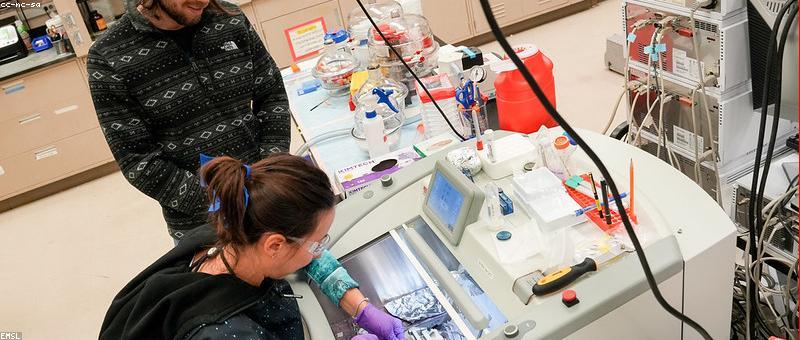
Molecular gastronomy was pioneered in the 1980s by French scientist Hervé This and Hungarian physicist Nicholas Kurti. The two researchers began investigating the science behind culinary techniques, seeking to understand the fundamental mechanisms that govern the way food behaves during preparation and cooking.
Their groundbreaking work challenged the conventional wisdom of the kitchen, revealing that many long-held beliefs about food were not entirely accurate. For example, they discovered that searing meat does not actually "seal in" the juices, as was commonly believed, but rather creates a flavorful crust through the Maillard reaction.
Embracing the Unexpected
Molecular gastronomy encourages chefs to challenge traditional cooking methods and experiment with new techniques. By understanding the scientific principles at work, they can manipulate the texture, flavor, and appearance of food in surprising ways.
One iconic example is the creation of "spherification," a process that turns liquids into edible, caviar-like spheres. This is achieved by carefully controlling the interaction between sodium alginate and calcium, causing the liquid to form a thin, membrane-like shell. The result is a delightful burst of flavor that delights the senses.
"Molecular gastronomy is about understanding the science behind the culinary arts, so that we can create new dishes and experiences that push the boundaries of what's possible in the kitchen." - Ferran Adrià, pioneering molecular gastronomy chef
The Rise of Modernist Cuisine
The growing popularity of molecular gastronomy has given rise to a new wave of avant-garde cuisine known as "modernist" or "progressive" cooking. Chefs in this movement embrace the use of specialized equipment, unconventional ingredients, and complex scientific techniques to create dishes that are as much works of art as they are culinary experiences.
One of the most celebrated proponents of modernist cuisine is Ferran Adrià, the legendary Spanish chef who revolutionized fine dining at his restaurant El Bulli. Adrià's innovative dishes, which might include edible "sand," transparent ravioli, or pea-flavored "air," captivated diners and inspired a new generation of culinary artists.


The Science of Taste
At the heart of molecular gastronomy is a deeper understanding of the science of taste. By studying the complex interplay of taste receptors, olfactory cues, and other sensory inputs, chefs can devise ways to heighten, mute, or even entirely reconfigure the flavors and textures of their creations.
For example, the addition of umami, the savory "fifth taste," can enhance the perceived richness and savoriness of a dish. Conversely, chefs may use techniques like spherification or foams to create ethereal, weightless textures that challenge our expectations of how food should feel in the mouth.

Pushing the Boundaries
As molecular gastronomy continues to evolve, chefs are pushing the boundaries of what's possible in the kitchen. They are exploring novel cooking methods, experimenting with unconventional ingredients, and even incorporating cutting-edge technology like 3D printing to create dishes that are both visually stunning and scientifically fascinating.
The future of molecular gastronomy promises even more surprises and delights for adventurous eaters. By embracing the principles of food science, chefs are able to create culinary experiences that challenge our preconceptions and open our minds to entirely new ways of enjoying the pleasures of the table.
Comments