Materials Science
The deeper you look into materials science, the stranger and more fascinating it becomes.
At a Glance
- Subject: Materials Science
- Category: Physics, Engineering, Chemistry



The Hidden World of Materials
At its core, materials science is the study of the properties and behavior of physical materials, from the most common substances we encounter every day to the rarest and most exotic compounds found in nature or created in laboratories. But to truly understand the significance of this field, one must dive deeper into the hidden complexities that lie beneath the surface.
From the atomic structure of metals to the intricate molecular arrangements of polymers, materials science delves into the fundamental building blocks that make up our world. By understanding how these basic components interact and respond to various stimuli, researchers in this field are able to unlock the secrets of materials, opening the door to groundbreaking innovations and technological advancements that shape our daily lives.
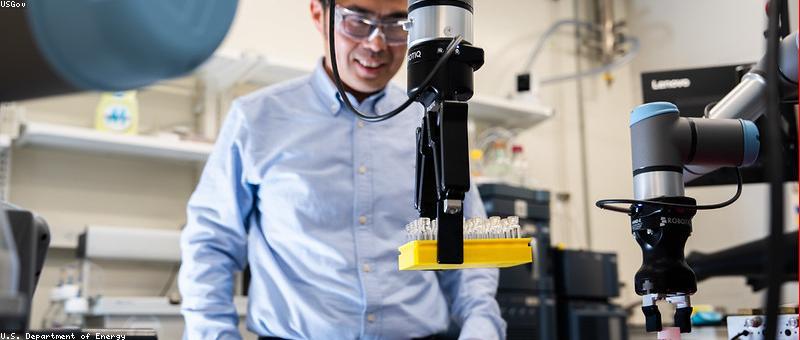
Atomic-Level Engineering
At the heart of materials science lies the study of atomic and molecular structures. By delving into the intricate arrangements and interactions of these fundamental building blocks, researchers can uncover the underlying principles that govern the properties of various materials.
Take, for example, the case of silicon, the primary material used in the production of computer chips and electronics. By carefully manipulating the atomic structure of silicon, scientists have been able to create semiconductors with precisely tailored electronic properties, enabling the rapid advancements in technology that have defined the digital age.
But the applications of materials science go far beyond the realm of electronics. From the development of high-performance alloys for aerospace engineering to the creation of specialized polymers for medical implants, the ability to engineer materials at the atomic level has revolutionized countless industries and transformed our daily lives.



The Quest for New Materials
As the demands of modern society continue to evolve, the need for innovative materials with unique properties has never been greater. Materials scientists are constantly on the hunt for new compounds and structures that can push the boundaries of what's possible.
One such example is the ongoing research into the field of "metamaterials" – artificial structures that exhibit properties not found in nature. By carefully designing the arrangement and composition of these materials at the microscopic level, scientists have been able to create substances with extraordinary capabilities, such as the ability to bend light or even render objects invisible.
"The discovery of new materials is the foundation for technological progress. Without the development of new materials, we would be limited to the same old solutions, unable to tackle the challenges of the future." - Dr. Emily Forster, Materials Science Researcher
From the development of self-healing polymers to the exploration of graphene and other revolutionary carbon-based materials, the pursuit of novel materials is a driving force behind many of the most exciting advancements in science and technology.
The Materials of Tomorrow
As the field of materials science continues to evolve, the possibilities for the future are truly limitless. By unlocking the secrets of the physical world, researchers in this field are paving the way for a new era of innovation and discovery.
Imagine a world where buildings can self-repair, where clothing can adapt to changing environmental conditions, or where energy-efficient devices can be created using materials that were once considered impossible. These are the kinds of breakthroughs that materials science is poised to deliver in the coming years and decades.
As we continue to push the boundaries of what's possible, the future of materials science remains an exciting and ever-evolving frontier, filled with the promise of transformative technologies and the potential to solve some of the world's most pressing challenges.
Comments