Marathon History
From forgotten origins to modern relevance — the full, unfiltered story of marathon history.
At a Glance
- Subject: Marathon History
- Category: Sports History

The Legendary Battle of Marathon
The origins of the marathon as we know it today can be traced back to a pivotal moment in ancient Greek history — the Battle of Marathon in 490 BC. During this epic clash between the Greek city-states and the invading Persian Empire, a messenger named Pheidippides was dispatched to run nearly 25 miles from the battlefield to Athens to deliver the news of the Greeks' unlikely victory.
According to the ancient historian Herodotus, Pheidippides arrived in Athens, proclaimed "Rejoice, we conquer!" and then promptly collapsed and died from the sheer exertion of his monumental run. This dramatic tale of heroism and sacrifice captured the imagination of the ancient world, and set the stage for the marathon's enduring legacy.


The Modern Olympic Revival
The marathon's next major chapter unfolded in 1896, when the inaugural modern Olympic Games were held in Athens, Greece. Inspired by the legend of Pheidippides, the organizers decided to include a long-distance running event modeled after the original historic run. The first Olympic marathon was won by a Greek man named Spyridon Louis, who crossed the finish line in a time of 2 hours and 58 minutes to the ecstatic cheers of the home crowd.
This momentous event helped cement the marathon's status as one of the most prestigious and iconic athletic competitions in the world. In the decades that followed, the marathon distance of 26.2 miles was standardized, and the event became a centerpiece of the Summer Olympics.
The Rise of the World Marathon Majors
In the late 20th century, the marathon experienced a surge in global popularity, with major city-based races emerging as premier events on the international sports calendar. The Boston Marathon, New York City Marathon, Berlin Marathon, Chicago Marathon, London Marathon, and Tokyo Marathon became known as the "World Marathon Majors" — a prestigious series that attracts the world's top professional and amateur runners.
These marquee marathons not only showcase incredible athletic feats, but also serve as powerful symbols of their host cities' vibrancy and community spirit. From the iconic skyline of New York to the historic streets of Boston, the marathon has become inextricably linked with the urban landscapes it traverses.
"The marathon is a metaphor for life. You have to overcome so many obstacles, physical and mental, in order to succeed." - Bill Rodgers, four-time Boston Marathon winner

The Evolution of Marathon Training
As the marathon's global popularity has grown, so too has the sophistication of marathon training methodologies. Pioneering coaches and athletes have continually pushed the boundaries of human endurance, developing innovative training regimens and recovery techniques to help runners achieve ever-faster times.
One of the most influential figures in this evolution was the legendary running coach Arthur Lydiard, who in the 1950s and 60s revolutionized marathon training with his focus on high-mileage, low-intensity workouts. Lydiard's approach, which emphasized building a strong aerobic base, has become the foundation for most modern marathon training programs.
The Marathon's Global Reach
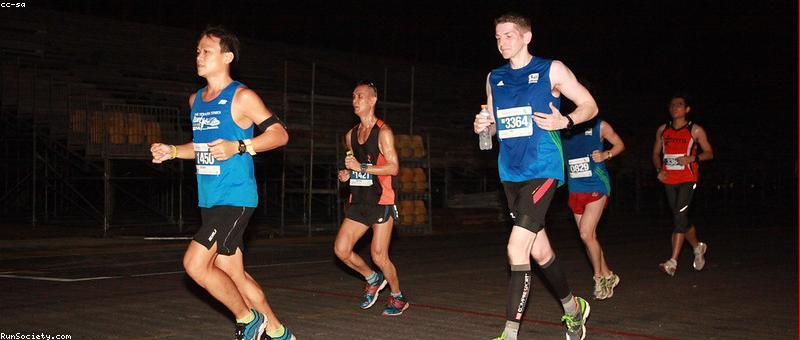
Once confined to the Western world, the marathon has since spread its reach to every corner of the globe. Today, major marathons are held in cities across Asia, Africa, and Latin America, attracting tens of thousands of runners from diverse backgrounds and inspiring millions more to lace up their running shoes.
This global expansion has not only broadened the sport's cultural influence, but has also fostered greater diversity and representation among elite marathon runners. Kenyan and Ethiopian athletes, for instance, have come to dominate the upper echelons of the sport, leveraging their natural physiological advantages and rigorous training regimes to shatter numerous world records.



The Marathon's Enduring Legacy
As the marathon continues to evolve, its core essence remains unchanged: a test of human limits, a celebration of community, and a testament to the indomitable human spirit. Whether it's the first-time jogger crossing their inaugural finish line or the world's fastest runner shattering records, the marathon has the power to captivate, inspire, and transform all who experience it.
From the ancient battlefields of Greece to the bustling streets of modern metropolises, the marathon's legacy endures as a timeless symbol of human achievement. And as long as there are people willing to push their bodies and minds to the brink, the marathon will continue to captivate and inspire generations to come.
Comments