Leapfrogging To Electric How Developing Countries Are Embracing The Ev Revolution
The untold story of leapfrogging to electric how developing countries are embracing the ev revolution — tracing the threads that connect it to everything else.
At a Glance
- Subject: Leapfrogging To Electric How Developing Countries Are Embracing The Ev Revolution
- Category: Emerging Technologies, Sustainability, Transportation
The electric vehicle (EV) revolution is often portrayed as a tale of innovation emanating from the developed world, with visions of gleaming Tesla showrooms and Oslo's streets teeming with battery-powered cars. But the real story is far more nuanced and global in scope. Across the developing world, a quiet transformation is taking place, as nations leapfrog traditional gasoline-powered vehicles to embrace the EV future.

Embracing Leapfrog Technology in India
India, the world's fourth-largest automotive market, has emerged as a pivotal player in this EV revolution. Facing chronic air pollution and the urgent need to reduce carbon emissions, the Indian government has rolled out ambitious policies to accelerate the adoption of electric vehicles. Programs like the Faster Adoption and Manufacturing of (Hybrid &) Electric Vehicles (FAME) scheme have offered generous subsidies to make EVs more affordable for consumers.
The results have been striking. In 2022, electric two-wheelers, which make up the bulk of India's EV market, saw sales surge by over 300% compared to the previous year. Companies like Ather Energy, Okinawa, and Revolt Motors have rapidly scaled up production to meet the soaring demand. Even traditional automakers like Bajaj, TVS, and Hero MotoCorp have launched their own line of electric scooters and motorcycles.
Electrifying Africa's Transport Future
The EV revolution is not limited to India; it is also gaining momentum across Africa. Countries like Rwanda, Kenya, and South Africa are embracing electric mobility as a means to address pressing issues like air pollution, fuel scarcity, and the need for sustainable transportation.
In Rwanda, the government has partnered with local startup Ampersand to deploy a fleet of electric motorcycles for ride-hailing services. These two-wheelers, designed specifically for African roads, are not only cleaner but also more affordable to operate than their gasoline-powered counterparts. Ampersand has ambitious plans to expand its network across the continent, leveraging the growing demand for reliable, eco-friendly transportation.
"Electric mobility is not just a luxury for the developed world; it's a necessity for the developing world." - Ashish Munjal, Co-founder and CEO of Ampersand
The Role of Chinese Manufacturers
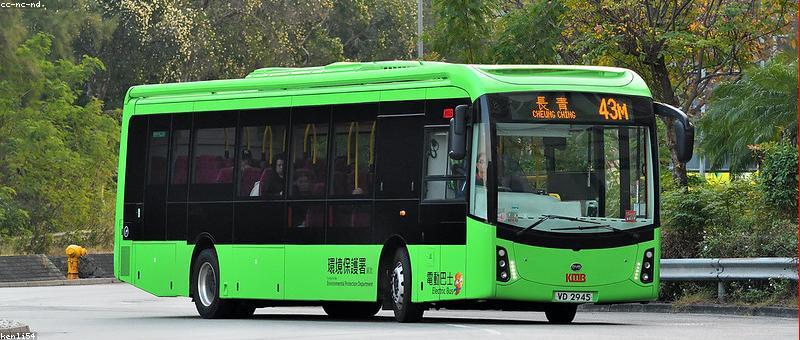
Fueling this global EV revolution are Chinese manufacturers, who have emerged as major players in the electric vehicle market. Companies like BYD, SAIC, and Geely have aggressively expanded their presence in developing countries, offering affordable, reliable, and technologically advanced electric cars, buses, and two-wheelers.
In Latin America, for example, Chinese EV brands have gained significant market share, challenging the dominance of traditional automakers. In Costa Rica, the government has partnered with Chinese manufacturer SAIC to deploy a fleet of electric buses, helping the country move closer to its goal of achieving carbon neutrality by 2050.




Leapfrogging the Combustion Engine
The embrace of electric mobility in the developing world represents a fundamental shift in the global transportation landscape. Rather than following the traditional path of first adopting internal combustion engine vehicles and then transitioning to EVs, these nations are leapfrogging the combustion engine altogether.
This leapfrogging effect is particularly significant in countries where infrastructure for gasoline and diesel vehicles is limited or underdeveloped. By skipping this intermediate step, developing nations can avoid the costly investments required to build out a nationwide network of gas stations and service centers. Instead, they can focus on developing the charging infrastructure needed to support the EV revolution, often with the help of innovative solutions like solar-powered charging stations.

The Ripple Effects of Electric Mobility
The implications of this global EV transformation extend far beyond the transportation sector. The widespread adoption of electric vehicles is catalyzing changes in energy generation, grid management, and even the labor market.
In many developing countries, the rise of EVs is driving increased investment in renewable energy sources like solar and wind power, as these clean energy solutions become integral to powering the electric grid and charging infrastructure. This, in turn, is creating new job opportunities in the renewable energy sector, helping to diversify local economies and reduce reliance on fossil fuels.
As the world navigates the transition to a more sustainable future, the developing world's embrace of electric vehicles stands as a powerful testament to the transformative potential of leapfrogging technology. From the bustling streets of India to the rural roads of Africa, the EV revolution is rewriting the narrative of global transportation, with far-reaching implications for the environment, the economy, and the future of mobility.
Comments