How Propaganda Shapes History
Peeling back the layers of how propaganda shapes history — from the obvious to the deeply obscure.
At a Glance
- Subject: How Propaganda Shapes History
- Category: History, Politics, Psychology
The Art of Rewriting the Past
History is written by the victors — or at least, that's how the old saying goes. But the truth is that history is often written by those with the loudest voices and the most effective propaganda. From ancient empires to modern-day superpowers, the shaping of historical narratives has been a powerful tool in the hands of those seeking to control the collective memory of the masses.


Rewriting the Narrative: Case Studies in Propaganda
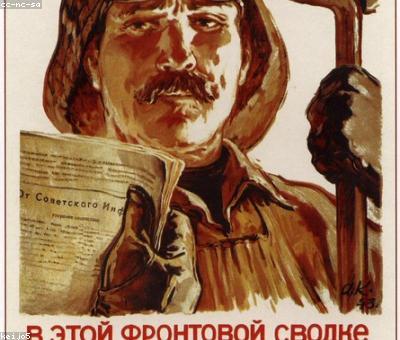
One of the most notorious examples of propaganda-driven historical revisionism is the Soviet Union's efforts to erase the legacy of Joseph Stalin's purges and the Gulag system. Through a coordinated campaign of censorship, doctored photographs, and the systematic removal of "undesirable" individuals from historical accounts, the Soviet state was able to maintain a veneer of stability and ideological unity, even as millions suffered under its totalitarian rule.
"He who controls the past controls the future. He who controls the present controls the past." - George Orwell, 1984

The "Lost Cause" and the Myth of the Confederacy
In the United States, the "Lost Cause" narrative, which romanticized the Confederacy and its war against the Union, was a prime example of how propaganda can shape historical memory. Promoted by Confederate sympathizers and neo-Confederate groups, the Lost Cause myth downplayed the role of slavery in the Civil War and portrayed the Confederate cause as noble and heroic, despite its defense of the inhumane institution of slavery.
Propaganda in the Digital Age
The rise of the internet and social media has ushered in a new era of propaganda, where misinformation and disinformation can spread like wildfire, often overwhelming the truth. From online "troll farms" to state-sponsored media outlets, the modern tools of propaganda have become increasingly sophisticated, leveraging algorithms, bots, and targeted messaging to sway public opinion and rewrite historical narratives.
The Enduring Power of Propaganda
Ultimately, the ability of propaganda to shape history is a testament to the human capacity for self-deception and the fragility of our collective memory. As we navigate the ever-evolving landscape of information and misinformation, it's crucial to remain vigilant, to question the sources of our knowledge, and to strive for a more nuanced and truthful understanding of the past.
Comments