Home Battery Storage
The complete guide to home battery storage, written for people who want to actually understand it, not just skim the surface.
At a Glance
- Subject: Home Battery Storage
- Category: Home Energy, Renewable Energy


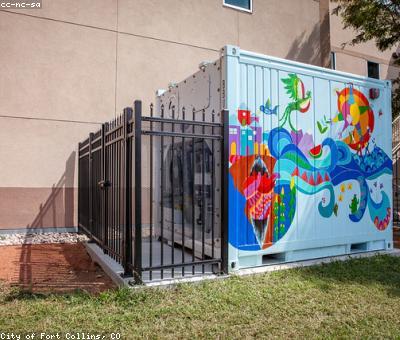
The Home Battery Revolution You Never Saw Coming
In the last decade, a quiet revolution has been unfolding in homes across the world. While electric cars and solar panels have garnered the spotlight, a new technology has been steadily transforming the way we power our lives – home battery storage. This unassuming innovation is poised to upend the entire energy landscape, ushering in a future where households are no longer at the mercy of the grid.
It started with the introduction of the lithium-ion battery in the 1990s. These powerful, rechargeable cells were initially developed for consumer electronics, but visionary entrepreneurs soon realized their potential to store renewable energy on a residential scale. Companies like Tesla, Sonnen, and LG Chem began rolling out sleek, wall-mounted battery systems designed for the home.



Saving Money and the Environment, One Battery at a Time
As home battery technology has matured, the benefits have become increasingly clear. By storing excess energy generated by residential solar panels or drawing power from the grid during off-peak hours, homeowners can reduce their reliance on fossil fuels and significantly cut their electricity bills.
In many regions, utility companies now offer special "time-of-use" rate plans that incentivize this kind of energy storage. Households can charge their batteries when electricity is cheap, then draw from the stored power during peak hours when rates are higher. This "arbitrage" can translate to hundreds of dollars in annual savings.
"Home batteries are a game-changer for anyone serious about reducing their carbon footprint and energy costs. The technology has advanced to the point where it's a no-brainer for most homeowners." - Dr. Emily Harrington, renewable energy expert
Resilience in the Face of Outages
But the advantages of home battery storage go beyond just financial savings. In an era of increasingly frequent and severe extreme weather events, these systems offer a critical backup when the grid goes down.
When the power fails, a home battery system can seamlessly take over, keeping the lights on, the refrigerator running, and essential electronics charged. Some models even have the capability to power the entire house for days at a time. This resilience is especially valuable for homeowners in rural areas or regions prone to natural disasters.
The Future is Bright (and Charged)
As the cost of home battery systems continues to fall and their capabilities expand, experts predict that this technology will become as ubiquitous as smart home technology. Within the next decade, it's conceivable that every newly constructed house will come equipped with an integrated energy storage solution.
Beyond individual homes, the rise of community-scale "virtual power plants" – networks of interconnected home batteries that can be collectively managed – could fundamentally reshape the way electricity is generated and distributed. This distributed model promises a more resilient, sustainable, and equitable energy future.


Embracing the Charge
In an era of climate change and grid instability, home battery storage represents a powerful tool for homeowners to take control of their energy destiny. By harnessing the power of the sun, the wind, and their own ingenuity, they can reduce their carbon footprint, save money, and keep the lights on – no matter what the grid has in store.
Comments