History Of Timekeeping
An exhaustive look at history of timekeeping — the facts, the myths, the rabbit holes, and the things nobody talks about.
At a Glance
- Subject: History Of Timekeeping
- Category: History, Technology, Science
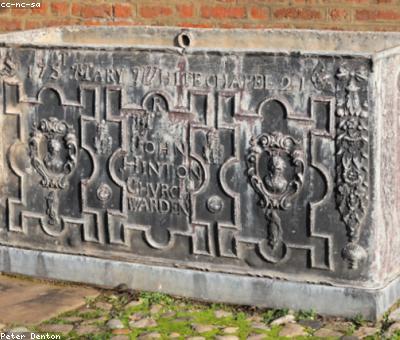

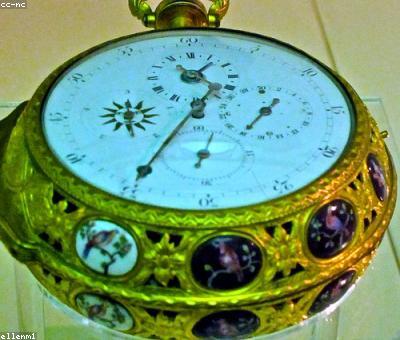
A Timeless Obsession
For as long as humans have walked the Earth, we have been fascinated by the concept of time. From the earliest calendars etched into stone to the atomic clocks that keep our digital world synced, our relentless drive to measure, understand, and conquer time has shaped the very fabric of civilization. But the history of timekeeping is filled with unexpected twists, forgotten pioneers, and bizarre rabbit holes that most people never imagine.
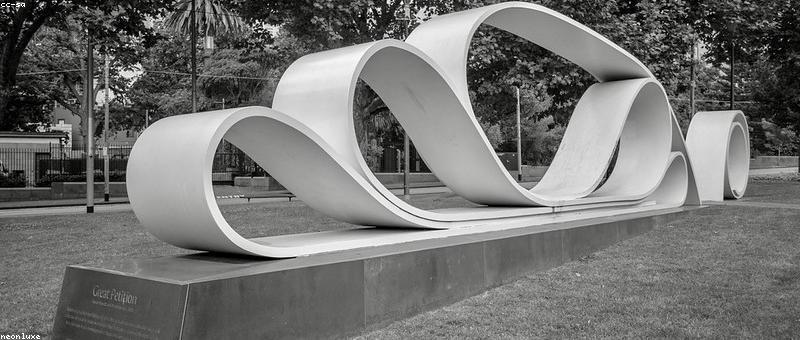
The Sundial Revolution
The origins of timekeeping can be traced back thousands of years, to the first primitive sundials used by ancient Egyptians, Babylonians, and Chinese to track the movement of the sun across the sky. These early timepieces were little more than upright sticks or obelisks that cast shadows on a marked surface, allowing people to roughly gauge the time of day. But as civilizations advanced, so too did the technology of timekeeping.
By the 3rd century BCE, the Hellenistic world had developed beautifully crafted sundials with moving pointers and even primitive gear systems. These "mechanical computers" could track the passage of time with unprecedented precision, ushering in a new era of timekeeping that would eventually lead to the development of water clocks, candle clocks, and the first mechanical clocks in medieval Europe.
The Quest for Accuracy
As human civilization became more complex, the need for accurate, reliable time measurement grew more urgent. Seafaring powers like Britain and the Netherlands offered vast fortunes to anyone who could solve the "longitude problem" and develop a clock that could keep perfect time at sea, enabling safe navigation. This sparked a golden age of clock-making innovation, with virtuoso craftsmen pushing the limits of mechanical engineering to create pendulum clocks, spring-driven watches, and marine chronometers of breathtaking precision.
"Time is what keeps everything from happening at once." - Ray Cummings
Yet even as mechanical timekeepers reached new heights of accuracy, scientists and inventors were exploring radical new frontiers. In the late 19th century, the development of the quartz clock ushered in the electronic age of timekeeping, with even greater precision. And in the 20th century, the invention of the atomic clock — which uses the vibrations of atoms as its basis — took timekeeping to a level of accuracy that is almost unimaginable.

The Digital Revolution
Today, the world is utterly dependent on precise timekeeping. GPS satellites, financial markets, telecommunications networks, and even our smart devices all rely on atomic clocks to function. And as we venture into the future, the quest for even more accurate time measurement continues unabated. From experimental optical lattice clocks that can measure time to within a single second over the entire age of the universe, to dreams of using pulsars as "celestial clocks," the story of timekeeping is far from over.
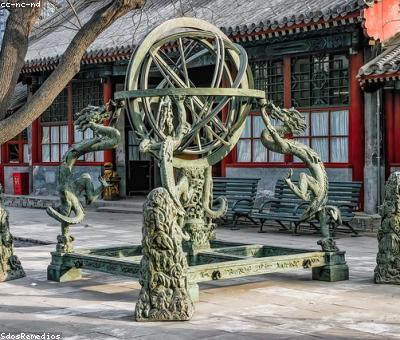


Timekeeping's Enduring Mystery
Yet for all our technological prowess, there remains an enduring sense of mystery and wonder around the nature of time itself. Why does it seem to flow in one direction? Is time travel truly possible? And what cosmic forces govern the rhythms that underpin our very existence? As we continue to push the boundaries of timekeeping, these profound questions linger, reminding us that there is still so much we have yet to uncover about the nature of the universe and our place within it.
Comments