
The Origins of Gothic Horror
Gothic horror as we know it today can be traced back to the 18th century, where it emerged as a literary genre in response to the sweeping social changes of the Enlightenment era. As the rational, scientific worldview gained ascendancy, some authors sought to explore the darker, more irrational corners of the human experience.
The father of gothic horror is widely considered to be Horace Walpole, whose 1764 novel The Castle of Otranto is often cited as the first true work of gothic fiction. Walpole's tale of a cursed aristocratic family, supernatural occurrences, and crumbling medieval architecture set the template for the genre.
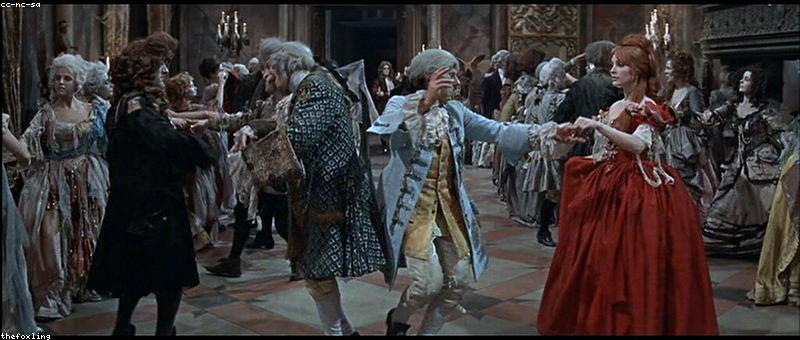
The Rise of the Gothic Villain
One of the most iconic figures to emerge from the gothic tradition is the gothic villain — a dark, brooding antihero who embodies the anxieties and darker impulses of the age. Exemplars of this archetype include Vlad the Impaler, the 15th-century Wallachian prince whose brutal reign inspired Bram Stoker's Dracula, and Edgar Allan Poe's iconic murderous narrators.
These gothic villains often grappled with themes of heredity, the corrupting influence of power, and the thin veneer of civilization masking humanity's baser instincts. Their popularity spoke to a growing unease with the rapid social, technological, and political changes of the 19th century.
"Deep into that darkness peering, long I stood there, wondering, fearing." - Edgar Allan Poe, "The Raven"

Gothic Horror's Enduring Influence
While gothic horror emerged as a distinct literary genre, its influence has permeated far beyond the printed page. From the brooding atmospherics of Hammer Horror films to the goth subculture's embrace of the macabre, the gothic aesthetic has become a cornerstone of Western popular culture.

The Gothic Resurgence
In recent decades, gothic horror has undergone a resurgence in popularity, with contemporary authors and filmmakers putting their own spin on the classic tropes. From the psychological terror of Shirley Jackson to the gothic punk stylings of Tim Burton, the gothic tradition continues to captivate and unsettle audiences.
This enduring appeal speaks to the genre's ability to tap into the deepest human fears and anxieties — a testament to the timeless power of the gothic imagination.
Comments