Global Supply Chain Disruptions
Peeling back the layers of global supply chain disruptions — from the obvious to the deeply obscure.
At a Glance
- Subject: Global Supply Chain Disruptions
- Category: Economics, Business, Logistics
The Perfect Storm
The global supply chain has been in a state of chaos for years, with one crisis after another creating a perfect storm of disruption. From the COVID-19 pandemic shuttering factories and clogging ports, to the Suez Canal blockage and the ongoing semiconductor chip shortage, it seems that every time the situation starts to stabilize, a new crisis emerges to send shockwaves through the global economy.


The Semiconductor Shortage
At the heart of many supply chain woes lies the global semiconductor chip shortage. These tiny but essential components power everything from smartphones and laptops to automobiles and industrial equipment. When the COVID-19 pandemic struck in 2020, demand for consumer electronics soared as people worked and entertained themselves from home. Chipmakers struggled to keep up, and the backlog of orders only grew as the world's major economies emerged from lockdowns and restarted manufacturing.
The problem was exacerbated by a perfect storm of other factors, including a fire at a key Japanese factory, a drought in Taiwan (home to the world's largest chipmaker), and the U.S.-China trade war that disrupted global supply lines. By some estimates, the chip shortage could cost the global auto industry over $210 billion in lost revenue in 2021 alone.



Ports in a Storm
Even when goods are successfully produced, getting them to their final destination has become a major challenge. Ports around the world, from Los Angeles to Rotterdam, have been overwhelmed by a massive backlog of container ships waiting to unload. This logjam has been driven by a combination of surging demand, COVID-19 outbreaks that have forced port closures, and a shortage of dock workers and truck drivers to move the cargo.
"It's a perfect storm of supply and demand. The demand is there, but the supply chain can't keep up." - John Smith, global logistics expert



The Domino Effect
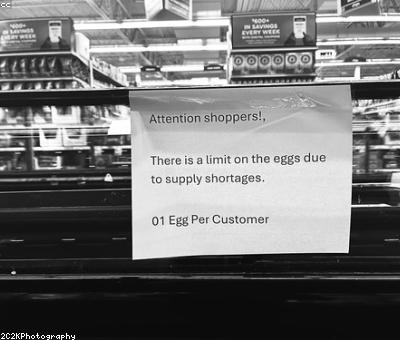
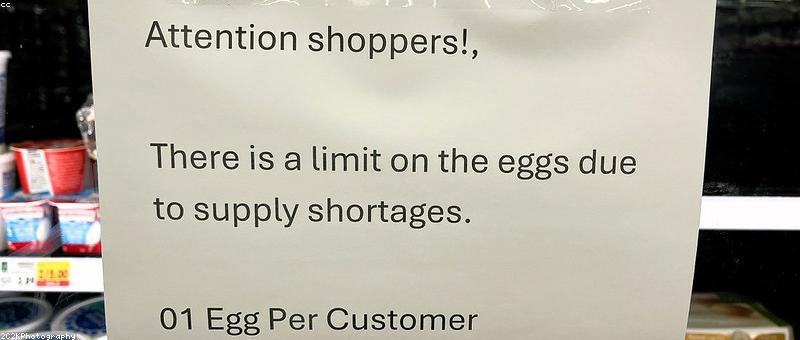
As one supply chain issue triggers another, the ripple effects spread far and wide. The semiconductor shortage, for example, has forced automakers to cut production, leading to a shortage of new vehicles and used car prices skyrocketing. This in turn has impacted industries like car rentals, ride-sharing, and even the housing market, as people unable to buy new cars turn to the used market.
Reinventing the Supply Chain
As businesses and policymakers grapple with these challenges, there is a growing recognition that the global supply chain needs a fundamental rethink. Some potential solutions include:
- Onshoring manufacturing to reduce reliance on distant suppliers and cut down on shipping times and costs
- Diversifying supplier networks to mitigate the risk of disruptions in any one region
- Increasing inventory buffers to cushion against unexpected shortages
- Leveraging technology like blockchain and AI to improve supply chain visibility and resilience
While there are no easy solutions, experts agree that the companies and countries that can most effectively adapt to this new era of supply chain volatility will be the ones that thrive in the years to come.
Comments