Famous Bridges
From forgotten origins to modern relevance — the full, unfiltered story of famous bridges.
At a Glance
- Subject: Famous Bridges
- Category: Architecture, Engineering, Infrastructure
The First Famous Bridge
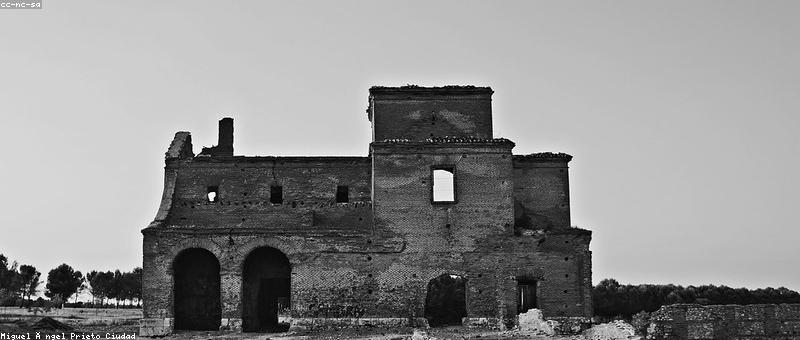
While the term "famous bridge" might conjure up images of modern architectural marvels like the Golden Gate Bridge or the Brooklyn Bridge, the story of famous bridges actually begins much earlier. One of the first truly famous bridges in history was the Arkadiko Bridge, located in the Peloponnese region of Greece.
Constructed around 1300 BCE, the Arkadiko Bridge is believed to be one of the oldest surviving arch bridges in the world. This remarkable feat of ancient engineering features a distinctive corbelled arch design, which allowed it to span a ravine and carry both foot and animal traffic for over 3,000 years. Even today, you can still walk across this ancient structure and marvel at the skill of its Bronze Age builders.



The Rise of the Stone Arch
While the Arkadiko Bridge demonstrated the capabilities of ancient builders, it wasn't until the Roman Empire that stone arch bridges truly came into their own. The Romans were masters of civil engineering, and they constructed thousands of bridges across their far-flung territories. One of the most famous examples is the Pont du Gard aqueduct in southern France, which was built around 19 BCE to carry water over 30 miles to the city of Nîmes.
Reaching a height of over 150 feet, the Pont du Gard is an astounding feat of Roman engineering. Its three-tiered arches, constructed from precisely cut limestone blocks, allowed it to span a deep river valley with ease. Even 2,000 years later, this bridge remains one of the best-preserved Roman structures in the world, a testament to the lasting power of stone arch construction.
"The Pont du Gard is not just a bridge, but a work of art. Its lines are as perfect as those of the Parthenon." - Victor Hugo, French novelist
Bridging the Middle Ages
After the fall of the Roman Empire, the construction of grand stone bridges fell into decline across Europe. However, the art of bridge-building never completely disappeared. Throughout the Middle Ages, a new wave of iconic bridges began to emerge, each with its own unique character and purpose.
One of the most famous medieval bridges is the Ponte Vecchio in Florence, Italy. Originally built in the 14th century, this bridge is renowned for the shops that line both sides of its span, creating a bustling commercial district suspended over the Arno River. The Ponte Vecchio has survived numerous floods and disasters, including the Nazi occupation of Florence during World War II, making it a true symbol of the city's enduring resilience.
The Golden Age of Bridges
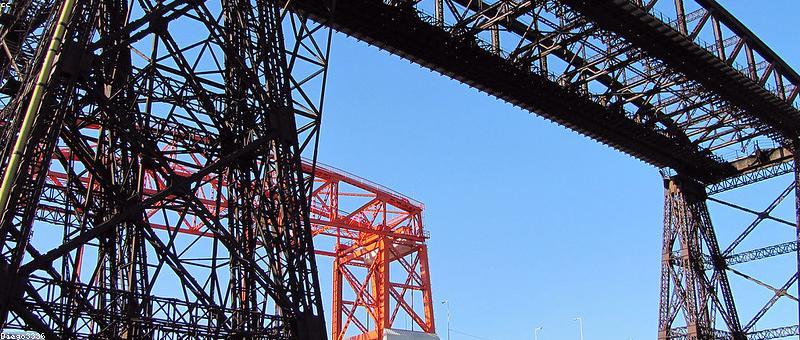
The 19th and 20th centuries saw an explosion of bridge-building activity around the world, as new technologies and engineering techniques allowed for ever-more ambitious designs. One of the most famous bridges from this era is the Brooklyn Bridge, which connected the boroughs of Manhattan and Brooklyn in New York City.
Completed in 1883 after 14 years of construction, the Brooklyn Bridge was a marvel of its time. Its innovative use of steel cables and massive stone towers allowed it to span the East River with a main span of over 1,500 feet - the longest of any suspension bridge in the world at the time. The bridge's iconic Gothic-style arches and neo-Renaissance design elements made it an instant architectural icon, and it quickly became one of the most recognizable landmarks in the city.

Bridges of the Future
As the 21st century progresses, the world of bridge design continues to evolve in remarkable ways. Modern engineering has unlocked the ability to construct bridges that are longer, taller, and more structurally daring than ever before.
One shining example is the Millau Viaduct in southern France, which was completed in 2004. This towering cable-stayed bridge, designed by the renowned architect Norman Foster, soars over 1,100 feet at its highest point - making it the tallest bridge in the world. Its sleek, elegant design and incredible scale have earned the Millau Viaduct worldwide acclaim as one of the most impressive feats of modern bridge engineering.
Comments