Ethical Consumerism
What connects ethical consumerism to ancient empires, modern technology, and everything in between? More than you'd expect.
At a Glance
- Subject: Ethical Consumerism
- Category: Social Movements & Ethical Practices
- First Noted: Early 20th Century
- Related Fields: Sustainable Development, Corporate Responsibility, Fair Trade
- Global Impact: Increasing consumer influence shaping corporate policies worldwide
The Hidden Origins of Ethical Buying: From Ancient Trade to Modern Morality
Did you know that the roots of ethical consumerism stretch back thousands of years? It’s not just a 20th-century invention sparked by environmental crises and social justice movements. In fact, the earliest traces can be found in the bustling marketplaces of ancient Mesopotamia, where merchants traded goods like lapis lazuli from Afghanistan or silk from China, often with considerations for fairness and tradition guiding their transactions.
Fast forward to the Middle Ages, where guilds and religious orders began emphasizing fair wages and honest trade — principles that echo in today’s fair trade certifications. But the real game-changer came in the 19th century, when the rise of industrial capitalism started to clash with emerging calls for social responsibility. One surprising figure: Charles Dickens, who, in his novels, vividly depicted the plight of factory workers, igniting public conscience about the ethics of consumption.
The Ethical Consumerism Revolution: 20th Century to Today
In the aftermath of World War II, ethical consumerism took on a new urgency. The horrors uncovered by wartime atrocities prompted consumers to question not just what they bought, but the entire supply chain behind their products. The 1960s saw the rise of organic foods and anti-war protests, often intertwined with critiques of multinational corporations.
By the 1980s, campaigns against sweatshops and environmental degradation gained momentum. Notable milestone: The launch of the Greenpeace 'Save the Whales' campaign in 1979 galvanized global awareness about ecological ethics. Simultaneously, fair trade certifications like FLO (Fairtrade Labelling Organizations) began emerging, ensuring farmers in developing countries received fair wages.
Today, ethical consumerism is a $200 billion industry, driven by millennials and Gen Z, who increasingly choose brands aligned with their values. Social media amplifies voices calling for accountability, making corporate responsibility less optional and more a consumer demand than ever before.



The Dark Side of Ethical Labels: When Good Intentions Meet Greenwashing
Not all that glitters is ethical. As demand skyrocketed, so did the proliferation of misleading labels — what critics call “greenwashing.” Companies, eager to capitalize on ethical trends, sometimes slap on certifications without meaningful standards. The result? Consumers are duped into believing they’re making a difference when they’re not.
In 2020, a shocking investigation revealed that over 60% of products labeled “organic” or “fair trade” in major supermarkets failed to meet the actual standards. This deceptive practice erodes trust and undermines genuine efforts. Consider the case of EcoWear, a clothing brand that claimed to be "sustainable" but was later exposed for using cheap labor and harmful dyes.
It’s essential for consumers to become savvy detectives — demand transparency, check for third-party certifications, and educate themselves about the nuances of ethical labels.
"Choosing ethically isn’t just about buying fair — it's about holding corporations accountable for their entire supply chain."


The Future of Ethical Consumerism: Technology, Blockchain, and Consumer Power
What if your smartphone could verify the story behind every product you buy? That’s the promise of blockchain technology in ethical consumerism. Companies like Provenance and TrusTrace are pioneering ways to make supply chains transparent, allowing consumers to scan a QR code and see the entire journey of their coffee, chocolate, or clothing.
Another exciting frontier: AI-driven rating systems that analyze corporate practices in real time, giving consumers up-to-date insights. Ethical consumer apps are now making it easier than ever to support brands that genuinely prioritize social and environmental impact.
But technology alone isn’t enough. The true power lies with consumers who refuse to accept "business as usual." Movements like the 2021 global climate strikes demonstrated that collective voice can push even the largest corporations to adopt sustainable practices. The question is: will your next purchase be a silent endorsement or a protest?
When Consumer Choices Rewrite History: Case Studies of Ethical Impact
History shows us that consumer boycotts and campaigns have directly shaped policy and industry standards. The 1984 boycott of South African goods during apartheid is a prime example — an economic pressure that contributed to ending racial segregation. Similarly, the Fair Trade coffee movement, which began in the 1990s, transformed the livelihoods of millions of small farmers in Central America.
More recently, the global response to the Rana Plaza disaster in 2013 — where over 1,100 garment workers died — sparked worldwide protests and led to new safety standards in Bangladesh’s factories. These moments prove that consumer outrage can be a catalyst for systemic change, especially when amplified through social media and international pressure.
"Every dollar spent is a vote — what we buy today shapes the world we live in tomorrow."
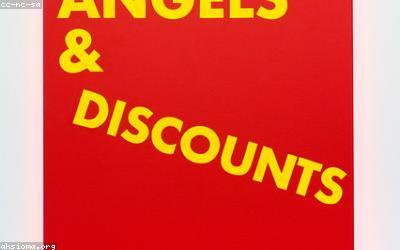

Redefining Wealth: The Ethical Consumer’s Impact Beyond Dollars
Beyond dollars, ethical consumerism is redefining what wealth really means. It’s about community, dignity, and sustainability. When you choose products that support fair wages and eco-friendly practices, you invest in a future where economic growth doesn’t come at the expense of people or the planet.
Some pioneering communities are developing local currencies and barter systems, reducing reliance on global supply chains. Meanwhile, the rise of cooperative brands — like the famed Mondragon Corporation in Spain — demonstrates that collective ownership and ethical profit-sharing can outperform traditional capitalist models.
In essence, ethical consumerism invites us to rethink the very idea of success — moving away from greed and towards shared prosperity.

The Surprising Power of Your Wallet
Every purchase you make wields power — more than most realize. Imagine the collective influence of millions shifting their spending habits. Big corporations are starting to listen, changing policies after sustained consumer pressure. Your decision to buy ethically isn’t just a personal act; it’s a political statement.
Activists have documented how boycotts of brands involved in deforestation or exploitation have led to policy reversals. And as more consumers demand transparency, some companies are voluntarily adopting eco-labels, ethical sourcing, and fair wages, fearing reputational damage.
So next time you reach for that fair trade chocolate or organic cotton shirt, remember: your wallet is a tool of change, capable of rewriting the rules of global commerce.
Comments