Ethical Considerations Of Deepfakes
An exhaustive look at ethical considerations of deepfakes — the facts, the myths, the rabbit holes, and the things nobody talks about.
At a Glance
- Subject: Ethical Considerations Of Deepfakes
- Category: Technology, Ethics, Media
The Deepfake Revolution
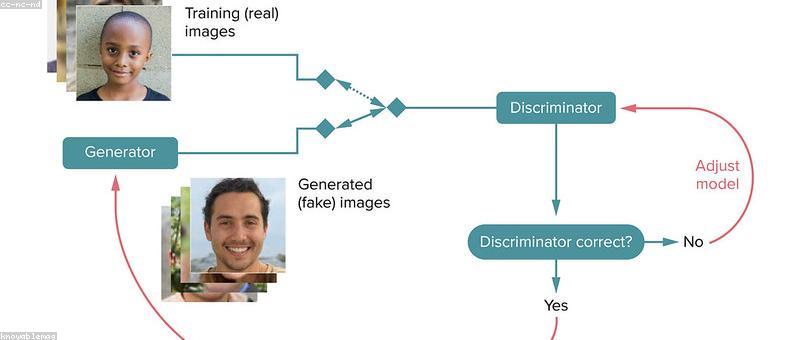
In the last decade, the rapid advancement of machine learning and generative AI has brought us to the brink of a new era of visual manipulation. Deepfake technology, which uses AI to seamlessly edit, manipulate, and generate hyper-realistic video and audio, has taken the world by storm. With just a few hours of training data, anyone can now realistically depict a person saying or doing anything – a formerly fictional premise that is now very much real.
The implications of this technology are profound. Deepfakes could be used to create convincing fake news, to defame public figures, to exploit revenge porn, or even to commit financial fraud. The potential for abuse is vast and terrifying. At the same time, deepfakes also have legitimate uses in areas like filmmaking, education, and political satire. So how do we harness the power of this technology while mitigating the harm it could cause?

The Battle For Truth
One of the core ethical challenges posed by deepfakes is the threat they pose to the concept of objective truth. If anyone can create a video of a politician admitting to a crime they never committed, or a celebrity endorsing a product they've never used, then the very foundations of our shared reality start to crumble. In an era where "fake news" already runs rampant, deepfakes risk exacerbating this problem to a catastrophic degree.
"Deepfakes are a serious threat to our information ecosystem. They have the potential to undermine trust in all media, whether it's real or not." - Dr. Hany Farid, Professor of Computer Science, UC Berkeley
Governments, tech companies, and academic researchers are racing to develop reliable deepfake detection methods that can identify manipulated media. But the cat-and-mouse game is only just beginning – as detection methods improve, the generative AI powering deepfakes will also continue to evolve.
The Weaponization of Deepfakes
Beyond the broad threat to truth and trust, deepfakes also enable a host of more targeted harms. Bad actors could use deepfakes to create non-consensual pornography, to defame public figures, or to carry out financial fraud and scams. A 2019 report found that 96% of deepfake videos online were pornographic in nature, the vast majority of which featured female celebrities without their consent.
Deepfakes also pose a national security risk, as adversaries could use them to sow discord, trigger diplomatic crises, or even instigate violence. In 2019, the U.S. House of Representatives held hearings on the national security implications of deepfakes, warning that they could be "the next wave of fake news."
Deepfakes and the Future of Media
While the risks of deepfakes are severe, the technology also has many legitimate and valuable applications. In filmmaking, deepfakes could enable new levels of creative expression, allowing actors to be digitally "de-aged" or to appear in scenes they never physically shot. In education, deepfakes could bring historical figures to life or allow students to interact with digital avatars. And in political satire, deepfakes could be a powerful tool for commentary and critique.
The key, of course, is developing robust ethical frameworks and regulations to ensure deepfakes are used responsibly and not to cause harm. This will require collaboration between lawmakers, tech companies, media outlets, and the public. Only by working together can we harness the potential of this technology while protecting against its misuse.

The Deepfake Dilemma
Ultimately, the rise of deepfakes represents a profound challenge to our collective notions of truth, authenticity, and the nature of reality itself. As this technology continues to advance, we will be forced to grapple with deep philosophical questions about the nature of visual media, the reliability of information, and the very fabric of our shared social reality.
How we as a society choose to respond to this challenge will have lasting implications for the future. Will deepfakes herald the end of visual truth, or can we find a way to preserve trust and integrity in an increasingly synthetic world? The answers to these questions will shape the ethical landscape for generations to come.
Comments