Drug Discovery
The real story of drug discovery is far weirder, older, and more consequential than the version most people know.
At a Glance
- Subject: Drug Discovery
- Category: Pharmacology, Chemistry, Medicine

The Unexpected Origins of Modern Medicine
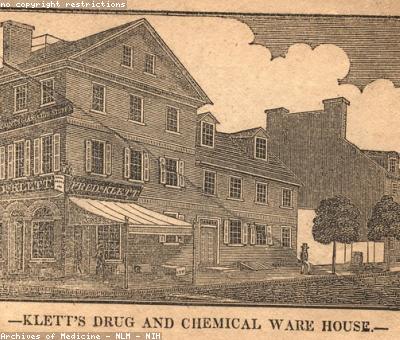
The story of modern drug discovery is often told as a tale of scientific progress, where brilliant researchers in pristine laboratories gradually uncover the secrets of biology and chemistry to develop life-saving treatments. But the real history is much stranger, older, and often more consequential than that clean narrative suggests.
In truth, many of the most important drugs in use today actually have roots stretching back centuries, with origins in ancient folk remedies, traditional Chinese medicine, Ayurvedic practices, and even plants used by shamans and witch doctors. The discovery of aspirin, for example, can be traced back to the ancient Egyptians, who used willow bark to treat pain and fever. And the use of the Cinchona tree to treat malaria dates back to 17th century South America, long before the active compound quinine was isolated in a lab.
One of the most famous drug discoveries of all time, the antibiotic penicillin, was itself an accident. In 1928, bacteriologist Alexander Fleming returned from vacation to find that a Petri dish of Staphylococcus bacteria had been contaminated by a mold that produced a antibacterial substance. This "happy accident" ultimately revolutionized modern medicine and launched the era of antibiotics.
Even in the more recent history of the 20th century, many important drugs were discovered through sheer luck and happenstance, rather than through methodical scientific research. Sildenafil, the active ingredient in Viagra, was initially developed as a treatment for angina before its true purpose as an erectile dysfunction medication was discovered. And the cancer drug Taxol was first extracted from the bark of the Pacific Yew tree, after a researcher testing it on mice noticed it had an unexpected effect on their tumor cells.

The Rise of Big Pharma
As the 20th century progressed, the process of drug discovery became increasingly centralized and industrialized. Faced with growing populations and the exploding burden of chronic disease, governments and corporations began pouring enormous resources into pharmaceutical research and development. This gave rise to the modern "Big Pharma" industry, with its teams of chemists, biologists, and clinical trial specialists working to identify, synthesize, and test new drug compounds.
The scale and sophistication of this enterprise has led to many important breakthroughs, from the development of insulin for diabetes to the discovery of antiretroviral drugs that have transformed HIV from a death sentence into a manageable chronic condition. But it has also been plagued by controversies, from allegations of price gouging to questions about the ethics of testing new drugs on vulnerable populations in the developing world.
"The pharmaceutical industry has become one of the most profitable sectors of the global economy, with annual revenues in the hundreds of billions. But this financial success has come at a cost, both in terms of public trust and human lives." - Dr. Elena Santana, global health policy expert

The Promise and Peril of Precision Medicine
In recent decades, the field of drug discovery has been transformed by the rise of genomics, computational biology, and "precision medicine" approaches that aim to develop highly targeted therapies tailored to a patient's unique genetic profile. This has led to breakthroughs in areas like cancer treatment, where drugs like Herceptin and Gleevec have dramatically improved outcomes for patients with specific genetic markers.
Developing a new FDA-approved drug can cost pharmaceutical companies upwards of $2.6 billion, when you factor in the costs of research, clinical trials, and regulatory approval. This astronomical price tag is one of the key drivers behind rising drug prices and the industry's focus on blockbuster "superstar" medications.
But the promise of precision medicine has also raised thorny ethical questions. Who gets access to these cutting-edge treatments, which can cost hundreds of thousands of dollars per patient? And as our ability to predict disease risk based on genetics improves, will this lead to new forms of discrimination and eugenics? These are the kinds of challenges that will shape the future of drug discovery in the decades to come.
From Ancient Remedies to AI-Powered Insights
In the end, the history of drug discovery is a story of constant evolution, from ancient herbal remedies to the AI-powered drug discovery platforms of today. While the pharmaceutical industry has undoubtedly saved countless lives, its path has been anything but straightforward. As we look to the future, we must grapple with difficult questions about access, ethics, and the implications of this powerful, but often unpredictable field.
Comments