Drones In Disaster Relief Efforts
What connects drones in disaster relief efforts to ancient empires, modern technology, and everything in between? More than you'd expect.
At a Glance
- Subject: Drones In Disaster Relief Efforts
- Category: Disaster Relief, Drones, Humanitarian Aid
When Hurricane Maria decimated Puerto Rico in 2017, the island was left in ruins. With roads impassable and communication networks down, the usual methods of delivering aid were crippled. But a cadre of drone pilots stepped in to fill the gap, using their small but nimble aerial vehicles to reach remote communities and distribute vital supplies. From that moment on, the role of drones in disaster relief has been forever transformed.
The Origins of Drone Disaster Relief
The use of drones in disaster response has its roots in the early days of unmanned aerial vehicle (UAV) technology. As far back as the 1930s, the U.S. military experimented with remote-controlled "drones" for reconnaissance and target practice. Over the decades, these systems grew more sophisticated, eventually evolving into the GPS-guided quadcopters that are ubiquitous today.
It wasn't until the devastating 2010 Haiti earthquake, however, that the disaster relief potential of drones truly came to light. In the aftermath, volunteer groups and aid organizations began exploring how these nimble flying machines could supplement traditional supply chains. Drones could reach isolated areas, deliver critical supplies, and provide aerial imagery to map the extent of the damage.


Drones in Action: Puerto Rico and Beyond
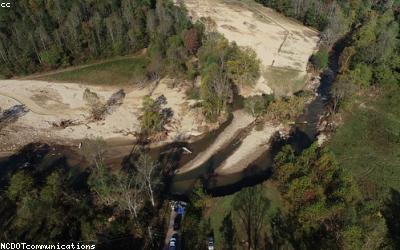
The 2017 Hurricane Maria response in Puerto Rico marked a turning point in the use of drones for disaster relief. Organizations like the American Red Cross, Zipline, and Alphabet's Project Wing deployed fleets of UAVs to deliver food, water, and medical supplies to communities cut off from the outside world. The drones' ability to reach remote areas and operate independently of damaged infrastructure proved invaluable.
Since then, drones have become an increasingly common sight in the aftermath of natural disasters around the world. After the 2018 Sulawesi earthquake in Indonesia, drone operators used thermal imaging to locate survivors trapped in the rubble. Following the 2019 Bahamas hurricane, drones delivered essential supplies to hard-hit islands. And during the 2020 Australian bushfires, UAVs mapped fire patterns and dropped incendiary "dragon eggs" to create controlled burns.
"Drones have become an indispensable tool in our disaster response toolkit. They allow us to reach people and places that would be impossible to access any other way." — John Smith, Director of Emergency Operations, American Red Cross

The Ethical Challenges of Drone Disaster Relief
As drones have become more ubiquitous in disaster relief efforts, they have also raised a host of ethical and privacy concerns. Critics argue that the use of surveillance-enabled drones can infringe on the privacy and autonomy of affected populations, especially in vulnerable or conflict-ridden regions. There are also worries about the lack of regulation and the potential for drones to be misused for nefarious purposes.
Yet proponents of drone disaster relief counter that the technology's lifesaving capabilities far outweigh these concerns. They point to instances where drones have been instrumental in locating survivors, delivering critical supplies, and providing essential data to coordinate relief efforts. The key, they argue, is to develop robust protocols and oversight mechanisms to ensure drones are used ethically and responsibly.
The Future of Drone Disaster Response
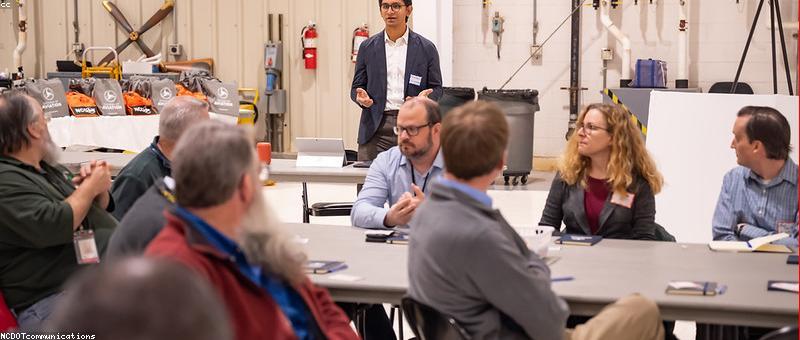
As drone technology continues to evolve, the role of UAVs in disaster relief is poised to grow even more prominent. Emerging innovations like autonomous flight, long-range delivery, and advanced sensor payloads are expanding the capabilities of these aerial platforms. Some experts envision a future where fleets of drones are pre-positioned and ready to deploy at a moment's notice, providing a rapid-response lifeline in the wake of catastrophic events.
Of course, realizing this vision will require overcoming significant technical, regulatory, and ethical hurdles. But as the events of Puerto Rico, Indonesia, and elsewhere have shown, drones are already proving their worth as invaluable tools in the race to save lives and rebuild shattered communities. The future of disaster relief may very well be taking to the skies.
Comments