Demons
The untold story of demons — tracing the threads that connect it to everything else.
At a Glance
- Subject: Demons
- Category: Supernatural, Mythology, Religion
- Origins: First documented references to demonic entities date back to ancient Mesopotamian and Zoroastrian texts, with similar concepts emerging across various ancient cultures.
- Key Characteristics: Demons are typically depicted as malevolent spiritual beings with a range of supernatural powers, often associated with temptation, possession, and the corruption of the mortal world.
- Theological Significance: The belief in demons has played a central role in many world religions, serving as the antithesis to divine forces of good and representing the constant struggle between light and darkness, order and chaos.


The Ancient Roots of Demons
The concept of demons can be traced back thousands of years to the earliest recorded mythologies and religious texts of the ancient world. Some of the earliest known demonic entities emerged from the rich tapestry of Mesopotamian belief systems, where figures like the seductive succubus and the malicious Lilith first took form. Similarly, the dualistic cosmology of Zoroastrianism introduced the notion of demons, or daevas, as adversaries to the forces of divine goodness.
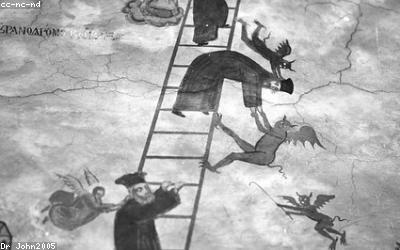
As these ancient belief systems spread and evolved, the concept of demons became increasingly prevalent across cultures, taking on new guises and roles. In ancient Greek and Roman mythology, figures like the Furies and Harpies embodied the vengeful, demonic aspects of the supernatural world. The Judeo-Christian tradition, too, saw the rise of powerful demonic entities like Satan and his legions of fallen angels, who would come to shape the Western understanding of demons for centuries to come.
Demons as Spiritual Adversaries
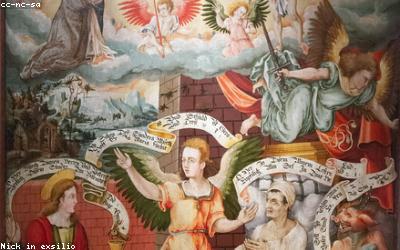
At the heart of the demonic mythos lies the idea of a constant, cosmic battle between the forces of light and darkness, order and chaos. Demons are typically depicted as malevolent spiritual beings driven by a relentless desire to corrupt and subvert the mortal realm, often through temptation, possession, and the unleashing of dark, destructive powers.
In many religious and spiritual traditions, demons are seen as the antithesis to divine or angelic beings, serving as spiritual adversaries to the forces of goodness and virtue. This dualistic worldview, where demons and their machinations are juxtaposed against the benevolent actions of the divine, has been a central tenet of belief systems ranging from Zoroastrianism to Christianity to certain strains of Hinduism.
"The demon is the raw force of the universe, the unformed substance out of which God created the world. It is the opposite of the divine, but it is also the stuff from which the divine is made." - Huston Smith, renowned scholar of comparative religion

The Demonic Possession Phenomenon
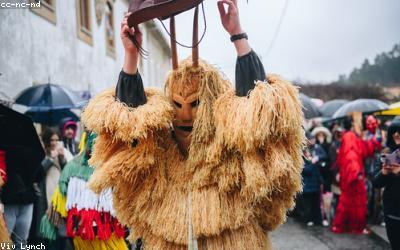
One of the most iconic and enduring aspects of the demonic mythos is the concept of demonic possession, where a malevolent spiritual entity is believed to take control of a human host. This phenomenon has been documented across cultures and throughout history, with reports of individuals exhibiting radical changes in behavior, supernatural abilities, and even altered physiology.
The practice of exorcism, in which religious or spiritual practitioners attempt to expel a possessing demon from a human subject, has likewise been a central component of many belief systems. From the Catholic Church's rituals of exorcism to the shamanistic practices of indigenous cultures, the battle against demonic possession has long been a key battleground in the eternal struggle between good and evil.

Demons in the Modern Imagination
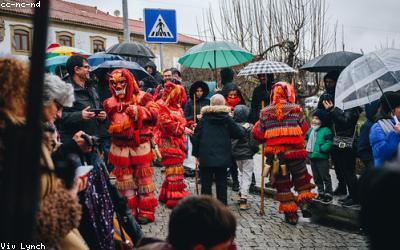
The enduring fascination with demons has continued to manifest in the modern cultural landscape, with these supernatural entities serving as central figures in a wide range of artistic and literary works. From the chilling depictions of demonic possession in classic horror films like The Exorcist to the complex, morally ambiguous demons of contemporary fantasy sagas like The Sandman, the demonic continues to captivate and terrify audiences worldwide.
Beyond the realm of fiction, the belief in demonic forces has also persisted in certain religious and spiritual contexts, with some modern practitioners engaging in rituals of exorcism and other practices aimed at combating the perceived influence of malevolent supernatural entities. This ongoing fascination with the demonic speaks to the enduring power of these mythological figures to reflect our deepest fears and anxieties about the nature of the human condition.
The Demons Within
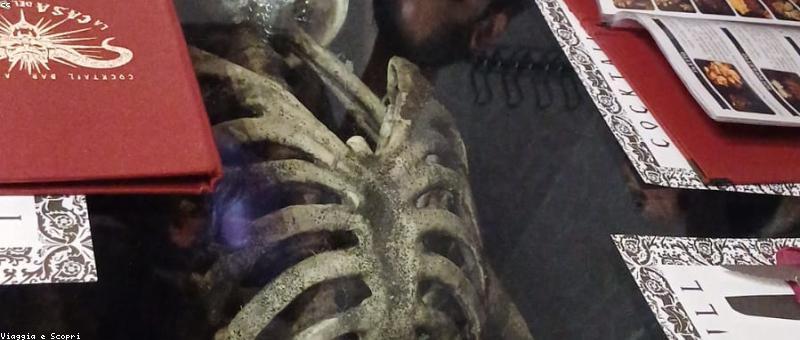
Ultimately, the enduring legacy of demons may lie not only in their perceived supernatural attributes, but in their ability to serve as metaphors for the darker impulses and forces that reside within the human psyche. The demonic, in this sense, can be seen as a symbolic representation of our own capacity for cruelty, selfishness, and the corruption of our higher ideals.
By grappling with the concept of demons, both in the realm of myth and in our own personal struggles, we may gain deeper insight into the complex duality of the human experience – the eternal battle between our noble aspirations and our baser instincts. In this way, the study of demons and their role in the human imagination can shed light not only on the supernatural, but on the very nature of the human soul.
Comments