Cryptocurrency Mining
cryptocurrency mining is one of those subjects that seems simple on the surface but opens up into an endless labyrinth once you start digging.
At a Glance
- Subject: Cryptocurrency Mining
- Category: Cryptocurrency, Technology
The Basics of Cryptocurrency Mining
Cryptocurrency mining is the process of verifying and adding new transactions to the blockchain, the decentralized public ledger that underpins cryptocurrencies like Bitcoin. Miners use powerful computers to solve complex mathematical problems, and in return they are rewarded with newly created cryptocurrency tokens.
The process works like this: when a new cryptocurrency transaction is made, it is bundled with other pending transactions into a "block." Miners then race to be the first to solve a difficult cryptographic puzzle in order to validate that block. The miner who solves the puzzle first gets to add the block to the blockchain and claim the associated reward - usually in the form of newly minted cryptocurrency.

The Rise of Industrial-Scale Mining
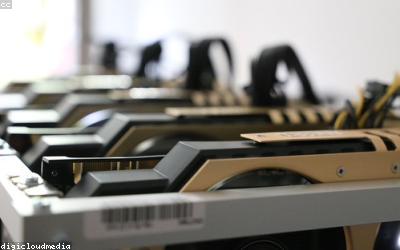
In the early days of Bitcoin, mining was something that could be done on a home computer. But as the network grew and the puzzles became more difficult, individual miners found it increasingly difficult to compete. This led to the rise of industrial-scale mining operations, with massive data centers housing thousands of specialized mining rigs.
These large-scale mining farms are often located in regions with cheap electricity and cool climates, as the energy-intensive mining process generates a tremendous amount of heat that needs to be dissipated. Countries like China, Iceland, and Sweden have become major hubs for these industrial mining operations.
"Cryptocurrency mining is now a highly competitive, capital-intensive business. The days of mining Bitcoin on your home laptop are long gone."
The Environmental Impact of Mining
One of the biggest criticisms of cryptocurrency mining is its massive energy consumption and resulting environmental impact. The computing power required to mine cryptocurrencies like Bitcoin is estimated to consume more electricity annually than some entire countries.
This has led to concerns about the sustainability of the mining process, as well as its contribution to carbon emissions and climate change. Some governments have even moved to restrict or ban cryptocurrency mining due to its strain on the power grid and its environmental toll.
The Future of Cryptocurrency Mining
As cryptocurrencies continue to grow in popularity and adoption, the future of mining is a topic of ongoing debate. Some experts believe that the energy-intensive proof-of-work model used by Bitcoin and many other cryptocurrencies will eventually be phased out in favor of more efficient alternatives like proof-of-stake.
Others argue that technological advancements, such as the development of more energy-efficient mining hardware, can help make the mining process more sustainable in the long run. Ultimately, the future of cryptocurrency mining will likely be shaped by a combination of market forces, regulatory pressures, and technological innovation.


Conclusion: The Enduring Allure of Mining
Despite the challenges and criticisms, the allure of cryptocurrency mining remains strong for many enthusiasts and investors. The prospect of earning newly-minted digital coins, coupled with the technical complexity and competitive nature of the process, continues to draw people to the world of cryptocurrency mining.
As the industry evolves and adapts to new realities, the fundamental role of miners in maintaining the integrity of blockchain networks will likely endure. The future of cryptocurrency mining may look very different from its past, but it remains a vital and intriguing component of the digital asset landscape.
Comments