Coptic Christianity
The complete guide to coptic christianity, written for people who want to actually understand it, not just skim the surface.
At a Glance
- Subject: Coptic Christianity
- Category: Religion, Christianity, Egyptian History
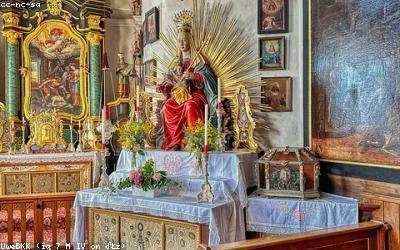

The Founding of the Coptic Church
According to Coptic tradition, the church was founded in 42 AD by Saint Mark the Evangelist, who is believed to have been one of the 70 disciples appointed by Jesus Christ. Mark is said to have traveled to Alexandria, the intellectual and cultural capital of the ancient world, and established the first Christian community there. This community would go on to become the basis for the Coptic Church.
Did You Know? The word "Coptic" comes from the Greek word "Aigyptos," meaning "Egyptian." The Coptic language, written in a variant of the Greek alphabet, was the everyday language of ancient Egyptians before the arrival of Arabic.
Resilience in the Face of Adversity
The Coptic Church has endured significant challenges over the centuries. In the 7th century, the Arab conquest of Egypt led to the Coptic community becoming a persecuted minority. Many Copts were forced to convert to Islam, while others faced harsh taxes, social discrimination, and occasional outbursts of violence. Despite these hardships, the Coptic Church managed to survive and even thrive. Coptic monasteries became centers of learning, preserving ancient Egyptian and Greek knowledge, and Coptic art and architecture flourished. The church's leaders, known as popes, became skilled diplomats, navigating the treacherous political landscape to protect their flock.
The Coptic Liturgy and Tradition
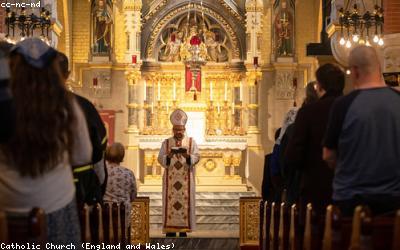
Coptic Christianity has its own distinct liturgy, which is celebrated in the Coptic language. The Coptic Mass, or Divine Liturgy, is known for its elaborate rituals, intricate chanting, and the use of ancient Egyptian-derived vestments and instruments."The Coptic liturgy is a living connection to the earliest days of Christianity. Each element, from the incense to the hymns, has been passed down through the generations, preserving a tradition that is both timeless and deeply rooted in the land of the pharaohs." - Father Markos, Coptic priestIn addition to the liturgy, the Coptic Church has its own calendar, holidays, and monastic traditions. Coptic monasteries, such as the famous Monastery of Saint Anthony in the Eastern Desert, continue to be important centers of spirituality and learning.
The Coptic Pope and the Diaspora
The spiritual leader of the Coptic Church is the Pope of Alexandria, who is believed to be the direct successor of Saint Mark. The current Pope, Tawadros II, oversees a global Coptic community that extends far beyond Egypt's borders.
Did You Know? The Coptic Church has a significant diaspora, with Coptic communities established in countries around the world, including the United States, Canada, Australia, and various European nations. These communities help preserve Coptic traditions and provide a spiritual home for Copts living outside of Egypt.
Comments