Article: Designing Cities For An Uncertain Future
article: designing cities for an uncertain future sits at the crossroads of history, science, and human curiosity. Here's what makes it extraordinary.
At a Glance
- Subject: Article: Designing Cities For An Uncertain Future
- Category: Urban Planning, Architecture, Climate Change
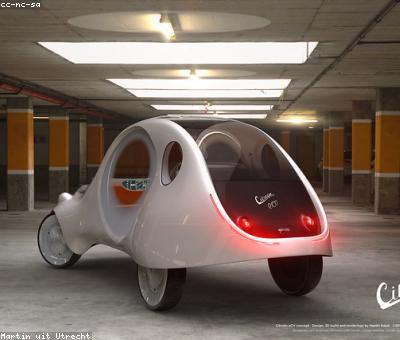
The Future of Urban Design
The cities of tomorrow will look very different from the ones we know today. As the world faces unprecedented challenges like climate change, population growth, and economic uncertainty, urban planners are rethinking the fundamental principles of how we design and build our metropolitan centers.
At the forefront of this revolution is a new generation of architects, engineers, and policymakers who are pushing the boundaries of what's possible. They're reimagining our cities not just as functional hubs, but as living, breathing organisms that can adapt and thrive in the face of an unpredictable future.

Nature-Inspired Innovations
One of the key innovations driving this shift is the concept of "biomimicry" – the practice of modeling human-made designs and systems on the patterns and strategies found in nature. By taking inspiration from the elegant adaptations of living organisms, urban planners are discovering new ways to create cities that are more sustainable, efficient, and harmonious with their surroundings.
For example, the Eastgate Centre in Harare, Zimbabwe, is a commercial building that regulates its own temperature using a passive cooling system inspired by the intricate ventilation networks of termite mounds. And in Masdar City, a planned eco-city in the United Arab Emirates, the streets and buildings are designed to channel prevailing winds, reducing the need for energy-intensive air conditioning.
"Nature has already solved many of the problems we are grappling with. We just need to be willing to study and emulate those solutions."
- Janine Benyus, author of "Biomimicry: Innovation Inspired by Nature"

Adaptable and Modular Design
Another key principle of future-ready urban design is the embrace of adaptability and modularity. Instead of static, one-size-fits-all structures, architects are creating buildings and infrastructure that can be easily modified, expanded, or repurposed as needs change.
One example is the Dryline, a proposed flood protection system for New York City that would transform the city's coastline into a network of parks, beaches, and elevated walkways. By using modular, interchangeable components, the Dryline can be tailored to the unique conditions of each neighborhood, and expanded or reinforced over time as sea levels rise.
Participatory Design
Crucial to this new approach is the idea of "participatory design" – involving the community in the planning and decision-making process. By tapping into the knowledge, needs, and aspirations of the people who will actually live in these future cities, urban designers can create spaces that are truly responsive to the diverse and evolving needs of their inhabitants.
One innovative example is the "Urban Living Room" concept, pioneered in cities like Medellín, Colombia and Toyama, Japan. These public spaces are designed through a collaborative process, with input from local residents, and serve as hubs for community interaction, cultural exchange, and civic engagement.
Towards a More Resilient Future
As the world grapples with the complex challenges of the 21st century, the field of urban design is undergoing a profound transformation. By embracing principles of adaptability, biomimicry, and participatory planning, a new generation of city-builders is paving the way for urban centers that are not just functional, but truly resilient in the face of an uncertain future.
From innovative flood protection systems to self-regulating buildings, the cities of tomorrow will be marvels of human ingenuity – designed not just to survive, but to thrive, no matter what challenges lie ahead.
Comments