Architecture Of Ancient Egypt
The complete guide to architecture of ancient egypt, written for people who want to actually understand it, not just skim the surface.
At a Glance
- Subject: Architecture Of Ancient Egypt
- Period: c. 3100 BCE – 332 BCE
- Main Features: Monumentality, symmetry, use of stone, religious symbolism
- Major Structures: Pyramids, temples, tombs, obelisks
- Influence: Set standards for architecture in the Mediterranean and beyond
- Unique Aspects: Integration of spiritual symbolism into structural design
- Architectural Techniques: Post and lintel construction, corbeling, precise stone cutting
- Legacy: Enduring symbols of ancient Egypt's power and spirituality
The Birth of Monumental Architecture: From Mudbrick Shelters to Divine Temples
Imagine a society so obsessed with the afterlife that their most sacred structures tower above the Nile Valley, defying time itself. That's ancient Egypt in a nutshell. Their journey from humble mudbrick homes to awe-inspiring stone temples is a story of spiritual ambition and technological mastery. The earliest Egyptian architecture was modest, primarily built from sun-dried mudbrick, but around 2700 BCE, with the rise of the Old Kingdom, they embarked on an architectural revolution that would leave the world breathless.
At the heart of this revolution were the pyramids — massive tombs designed to house the pharaohs' eternal souls. The step pyramid of Djoser at Saqqara, built around 2670 BCE under the visionary architect Imhotep, is considered the first monumental stone structure in history. Its success paved the way for the perfect geometric marvels like the Great Pyramid of Giza. But the pyramids weren’t just tombs — they were cosmic gateways, aligning with the cardinal points and celestial bodies to facilitate the pharaoh's journey to the stars.
Mastering the Art of Tomb Construction: The Valley of the Kings and Beyond
While the pyramid shape became an iconic symbol of Egyptian architecture, by the New Kingdom (c. 1550–1070 BCE), tomb-building evolved into hidden, complex underground networks. The Valley of the Kings, near Luxor, is a labyrinth of chambers, passages, and elaborate decorations. Pharaohs like Tutankhamun and Ramses the Great sought eternal life here, but with a twist: they aimed for concealment and protection from grave robbers, leading to intricate trap corridors and secret chambers.
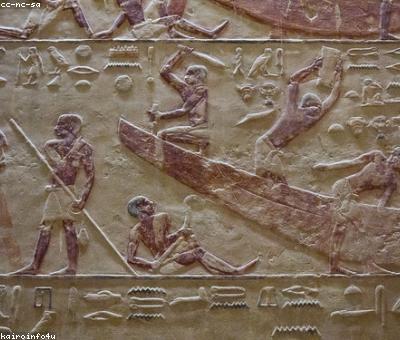
One of the most astonishing discoveries was the tomb of Seti I, featuring vivid frescoes and inscriptions that serve as a window into Egyptian religious beliefs. The design of these tombs combined functionality with spiritual symbolism — each chamber, corridor, and inscription carefully aligned with religious cosmology.
"The tombs were not merely burial chambers; they were sacred gateways to eternity, infused with divine symbolism and cosmic order."
Temples as Earthly Homes of Gods: Architectural Marvels of Worship
Egyptian temples were more than places of worship — they were microcosms of the universe, embodying divine authority through architecture. The earliest temples, like the Great Temple of Karnak, built over centuries, feature massive pylons, hypostyle halls with towering columns, and sanctuaries housing statues of gods.
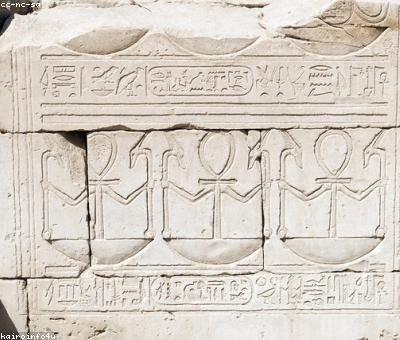
The layout was deliberately symbolic. The processional way, lined with sphinx statues, led visitors through an ascending journey toward the divine. The hypostyle hall of Karnak, with its forest of columns, is an engineering masterpiece — each carved with hieroglyphs and images that tell stories of gods and kings.
Obelisks and Monuments: Standing Symbols of Power and Faith
Obelisks are perhaps Egypt’s most recognizable architectural exports. Carved from a single piece of red granite, these towering structures often topped with a pyramidion, served as symbols of the sun god Ra. The obelisks at Heliopolis, erected during the reign of Thutmose III, were engineered with astonishing precision — some still stand after 3,500 years.
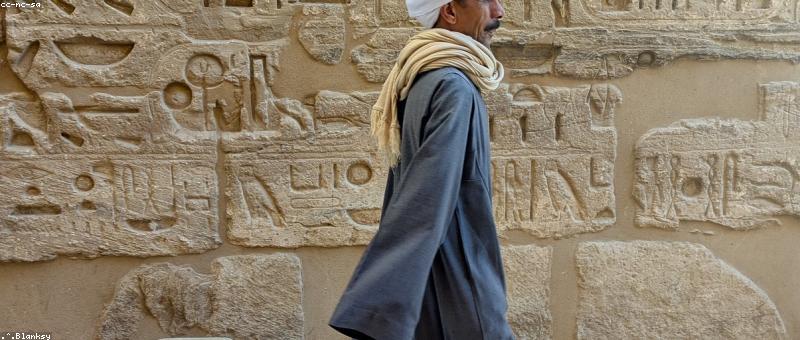
What’s less known is that the transport and erection of these monoliths was an engineering feat that involved complex logistical planning, including sledges, rollers, and ceremonial rituals. Their inscriptions celebrated the divine authority of the pharaohs and their connection to the gods.
The Lasting Impact and Hidden Techniques of Egyptian Architecture
Ancient Egyptian architecture’s secret lies in their mastery of stone craftsmanship and structural ingenuity. They perfected techniques like corbeling — layering stones to create vaulted ceilings — and developed precise tools for carving and fitting stones tightly without mortar. Their understanding of weight distribution allowed them to build structures that could withstand millennia.
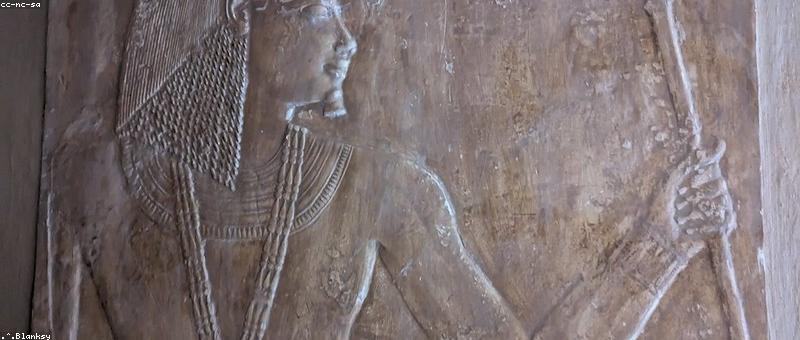
Additionally, the integration of religious symbolism — like the lotus and papyrus motifs representing Upper and Lower Egypt — pervaded every surface. These elements turned their structures into sacred texts, inscribed in stone for eternity.
The Enduring Mystique: Why Egyptian Architecture Still Captivates
What makes Egyptian architecture utterly unique is its timeless blend of spirituality, engineering, and art. Every pyramid, temple, and obelisk was conceived as a living entity, a divine artifact that bridged heaven and earth. Their ability to create structures that defy gravity and time inspires architects and dreamers even today.
Modern engineers have studied their techniques, yet the secret remains: Egyptian architecture was as much about spiritual devotion as it was about structural innovation. It’s a silent testament to a civilization that believed in eternity — and built accordingly.
Comments