Ankh
An exhaustive look at ankh — the facts, the myths, the rabbit holes, and the things nobody talks about.
At a Glance
- Subject: Ankh
- Category: Symbols, Mythology
The ankh is one of the most iconic symbols of ancient Egypt, a striking image that has captivated the imaginations of historians, artists, and spiritual seekers for millennia. But beyond the familiar loop-and-crossbar silhouette, the true nature and significance of this enigmatic symbol remain shrouded in mystery.
The Origins of the Ankh
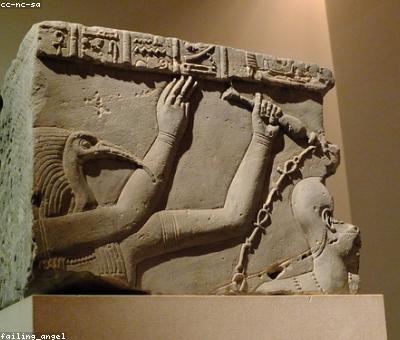
The earliest known depictions of the ankh date back to the Early Dynastic Period of ancient Egypt, around 3100 BC. Initially, the ankh was primarily associated with the Egyptian gods and pharaohs, appearing in their hands or above their heads as a symbol of life, fertility, and the afterlife. But the true meaning and origins of this curious glyph have long been the subject of intense scholarly debate.
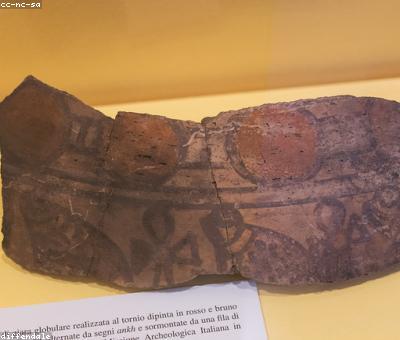
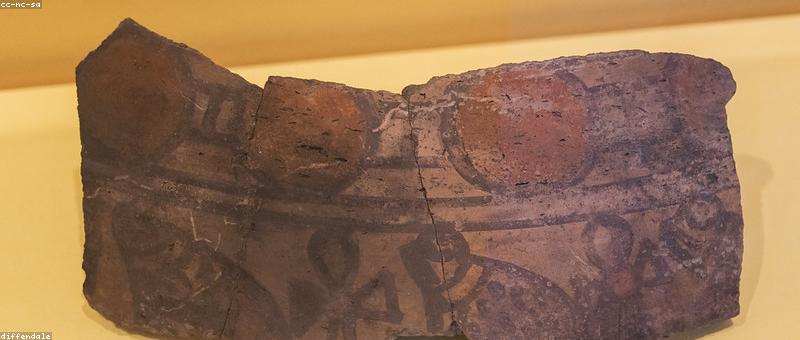
Whatever its precise origins, the ankh rapidly became a ubiquitous part of Egyptian iconography, appearing not only in religious contexts but also in everyday objects and architectural features. Carved into temple walls, etched onto jewelry, and even integrated into the design of household items, the ankh was a constant presence in the lives of the ancient Egyptians.
The Ankh and the Afterlife
But the ankh's significance extended far beyond the earthly realm. In the rich tapestry of Egyptian mythology, the ankh was closely associated with the concept of the afterlife and the journey of the soul. Pharaohs and other prominent figures were often depicted holding the ankh, symbolizing their divine connection to the gods and their ability to transcend the boundaries of mortal existence.
"The ankh was not merely a decorative motif, but a potent symbol of the cyclical nature of life and death – a gateway to the eternal realm where the soul could find rebirth and renewal."
This belief in the ankh's power to bridge the divide between the living and the dead was reflected in funerary practices, where the symbol was often included in tomb decorations, amulets, and other ritual objects intended to guide the deceased on their journey to the afterlife.

The Ankh in Modern Culture
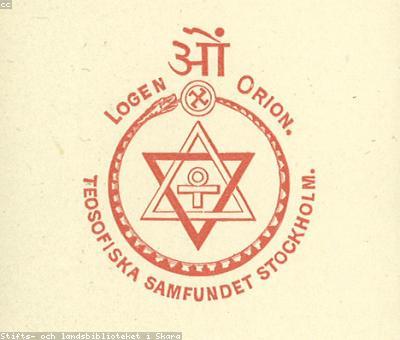
The enduring fascination with the ankh has extended far beyond the confines of ancient Egypt. Over the centuries, the symbol has been embraced by a wide range of cultures and spiritual traditions, from Coptic Christianity to modern Wicca, each imbuing it with their own unique interpretations and associations.
Yet, despite its widespread adoption and adaptation, the ankh has never lost its connection to its Egyptian roots. For many, the symbol continues to represent the enduring mysteries of the ancient world – a tangible link to a civilization that continues to captivate the human imagination.
The Enduring Allure of the Ankh
In the end, the true power of the ankh lies in its ability to transcend time and space, to serve as a vessel for the deepest human yearnings and spiritual quests. Whether as a talisman of life and renewal, a gateway to the afterlife, or a symbol of universal truths, the ankh remains a captivating and enigmatic presence in the tapestry of human culture.
Comments