Ancient Astrology
The real story of ancient astrology is far weirder, older, and more consequential than the version most people know.
At a Glance
- Subject: Ancient Astrology
- Category: History, Astronomy, Occult
For thousands of years, the movements of planets and stars have fascinated humanity. But astrology was far more than just a primitive precursor to astronomy. Ancient astrologers weren't just stargazers, they were also sorcerers, priests, and political advisors who held immense sway over the fate of nations and empires.
The Dawn of the Zodiac
Astrology's origins can be traced back to ancient Mesopotamia, where the first known zodiac was developed around 2500 BCE. The twelve signs of the zodiac - Aries, Taurus, Gemini, and so on - were based on the patterns of constellations that the Sun, Moon, and planets appeared to pass through over the course of a year. These celestial signs were imbued with profound symbolic meaning, with each one associated with specific divine qualities, personalities, and astrological influences.
Astrology and Empire
As Mesopotamian civilization grew, astrology became an indispensable tool of statecraft. Astrologers were embedded in the royal courts, tasked with divining the will of the gods through the movements of the heavens. They advised kings on the optimal timing for military campaigns, coronations, and other momentous decisions. The fate of entire empires often hinged on the predictions of these celestial soothsayers.
The Babylonian king Hammurabi, who ruled from 1792 to 1750 BCE, was famously guided by his court astrologers. According to historical records, Hammurabi delayed the execution of a criminal after his astrologers warned that an inauspicious alignment of the planets made the timing unlucky. This willingness to heed astrological omens was a hallmark of ancient Mesopotamian kingship.
"The stars in their courses fought against Sisera." - Judges 5:20, The Bible
The influence of astrology even extended to the biblical world. In the Book of Judges, the stars themselves are credited with fighting against the Canaanite general Sisera, suggesting that ancient Israelites also placed stock in celestial divination.
The Greek Astrology Revolution
Astrology reached new heights of sophistication in ancient Greece, where philosophers like Ptolemy codified elaborate systems of astrological prediction. Greek astrologers developed the concept of the zodiac wheel, mapping the heavens into twelve equal signs. They also introduced the idea of the "ascendant" - the sign rising on the eastern horizon at the moment of a person's birth, which was believed to powerfully shape their personality and destiny.


Astrology and the Roman Empire
As the Roman Empire expanded, astrology spread throughout the Mediterranean world and became deeply embedded in imperial power structures. Roman emperors employed court astrologers to predict the future and guide important decisions. Nero was said to have executed his wife Poppaea after his astrologers warned him that she posed a threat to his rule.
The Roman emperor Hadrian, who ruled from 117 to 138 CE, was a devoted follower of astrology. He even had a personal astrologer named Antinoüs, who was later deified and became the subject of an elaborate astrological cult after his untimely death.
The Decline of Ancient Astrology
Despite its longtime dominance, ancient astrology began to decline as the Roman Empire fell and Christianity rose to prominence in Europe. The early Christian church was deeply suspicious of pagan astrology, viewing it as a dangerous form of divination. St. Augustine famously condemned astrologers as "tricking people with the flight of birds or the movements of the stars."
However, astrology never fully disappeared from the Western world. It continued to be practiced in the Byzantine Empire and the Islamic world, where it was syncretized with new astrological traditions. And during the European Renaissance, astrology experienced a remarkable resurgence, with leading intellectuals like Galileo and Kepler incorporating astrological ideas into their worldviews.
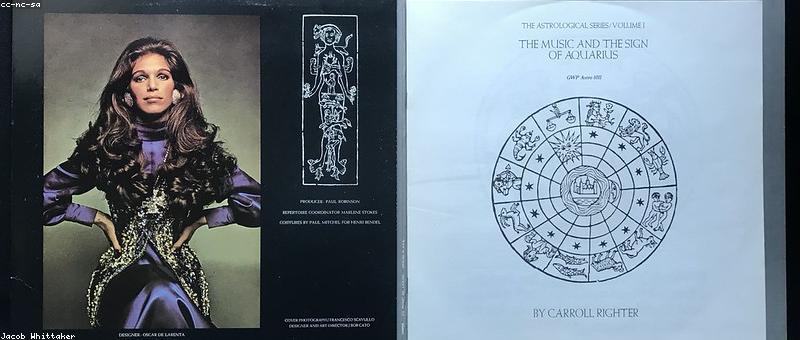
The Lasting Legacy of Ancient Astrology
Though modern astronomy has debunked many of the specific astrological beliefs of the ancients, the influence of ancient astrology can still be felt today. The zodiac signs, planetary archetypes, and astrological concepts that emerged thousands of years ago continue to captivate the public imagination. And the tradition of using celestial omens to guide high-stakes political and military decisions arguably lives on in the work of contemporary think tanks and strategic analysts.
In the end, the story of ancient astrology is a testament to the enduring human fascination with the cosmos and our persistent desire to find meaning in the heavens above. What began as a primitive attempt to make sense of the night sky evolved into a sophisticated system of divination that shaped the course of empires and the destiny of kings. Even as our scientific understanding of the universe has advanced, the allure of astrology endures.
Comments